
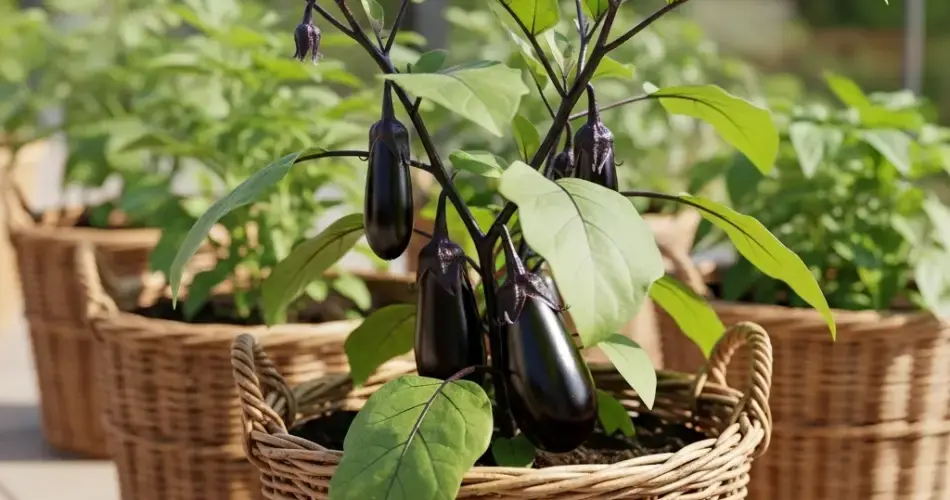
Eggplants, with their glossy skins and versatile flavors, are a beloved addition to many kitchens around the world. Traditionally, they are grown in open soil beds, but urban gardeners with limited space have discovered that eggplants adapt beautifully to container gardening—even in something as simple and rustic as baskets. Growing eggplants in baskets not only saves space but also provides the flexibility to place your plants in sunny spots on patios, balconies, or rooftops. With the right preparation and care, basket gardening can yield impressive harvests of this delicious vegetable.
Why Grow Eggplants in Baskets?
Baskets offer a practical and eco-friendly solution for urban gardeners. Unlike rigid pots, baskets are often lighter and easier to move. Their woven structure allows for excellent air circulation around the soil, reducing the chances of waterlogging. Many baskets are also made from natural or repurposed materials, making them a sustainable choice for gardening.
Eggplants are particularly well-suited for basket growing because they thrive in warm, sunny conditions and do not require extremely deep soil. As long as the container is wide and sturdy enough to support the plant and its fruit, eggplants can flourish in baskets just as well as in the ground.
Choosing the Right Basket
The first step to success is selecting a suitable basket:
- Size: Eggplants need space for their roots to expand. Choose a basket that is at least 12–14 inches deep and wide enough to accommodate one plant comfortably. For larger varieties, go deeper and wider.
- Strength: A sturdy basket is essential since eggplants can become heavy once laden with fruit. Reinforce the base if necessary.
- Lining: Because baskets are porous, lining them helps retain soil and moisture. Use burlap, coconut coir, or even a recycled cloth bag to line the interior before filling it with soil. Ensure the lining allows water to drain freely.
Soil Preparation
Eggplants grow best in rich, well-draining soil. A good mix includes:
- Two parts garden soil
- One part compost for nutrients
- One part sand or perlite for drainage
Mix in organic matter such as aged manure or composted vegetable scraps before planting. Balanced soil ensures steady growth and supports heavy fruit production.
Planting Eggplants
Eggplants prefer warm temperatures, so plant them once the risk of frost has passed and the weather is consistently warm. You can either start with nursery seedlings or grow from seeds indoors, transplanting them into baskets once they reach about 6–8 inches tall.
When planting:
- Place one seedling per basket to prevent overcrowding.
- Position the basket in a location that receives at least 6–8 hours of direct sunlight daily.
- Water thoroughly after planting to help roots establish.
Care and Maintenance
Basket-grown eggplants require regular care to stay healthy and productive.
Watering
Because baskets can dry out more quickly than traditional pots, consistent watering is crucial. Keep the soil evenly moist but not soggy. During hot weather, you may need to water daily. Adding mulch, such as straw or dried leaves, helps retain moisture.
Fertilizing
Eggplants are heavy feeders. Apply a balanced, slow-release fertilizer or organic options like compost tea every 2–3 weeks. Potassium-rich fertilizers are especially helpful for promoting flowering and fruiting.
Support
As eggplants grow and begin to produce fruit, the stems can become heavy. Provide stakes or a small trellis in the basket to keep plants upright and prevent breakage.
Managing Pests and Diseases
Like many vegetables, eggplants are vulnerable to pests such as aphids, flea beetles, and spider mites. Regularly inspect the leaves and treat infestations early. Spraying with a mild solution of neem oil or insecticidal soap is effective and safe for container gardening.
Ensure good air circulation around the baskets to reduce fungal diseases. Removing any yellowing or damaged leaves also helps maintain plant health.
Harvesting Basket-Grown Eggplants
Eggplants are ready to harvest when their skins are glossy and firm, and the fruits reach the expected size for their variety. If the skin looks dull or seeds inside have turned dark, the fruit may be overripe. Harvest by cutting the stem with a sharp knife or pruning shears, leaving a short stem attached to the fruit.
Regular harvesting encourages plants to produce more fruit, extending the yield throughout the growing season.
Advantages of Basket Gardening for Eggplants
- Space-saving: Ideal for balconies, patios, and rooftops.
- Portable: Baskets can be moved to follow the sun or protect plants from harsh weather.
- Eco-friendly: Recycled or natural baskets reduce waste and add rustic charm.
- Versatile: Once the eggplant season ends, baskets can be reused for herbs, flowers, or other vegetables.
Conclusion
Urban gardening does not have to be limited by space. By using baskets, even city dwellers can enjoy the satisfaction of harvesting fresh, homegrown eggplants. With careful attention to soil preparation, watering, feeding, and support, your plants will thrive in this unique setup. The combination of practicality, sustainability, and productivity makes basket gardening an excellent method for cultivating eggplants in compact urban settings.
By turning baskets into fertile growing spaces, you not only bring greenery into your home but also enjoy the delicious reward of fresh eggplants straight from your own mini garden.
