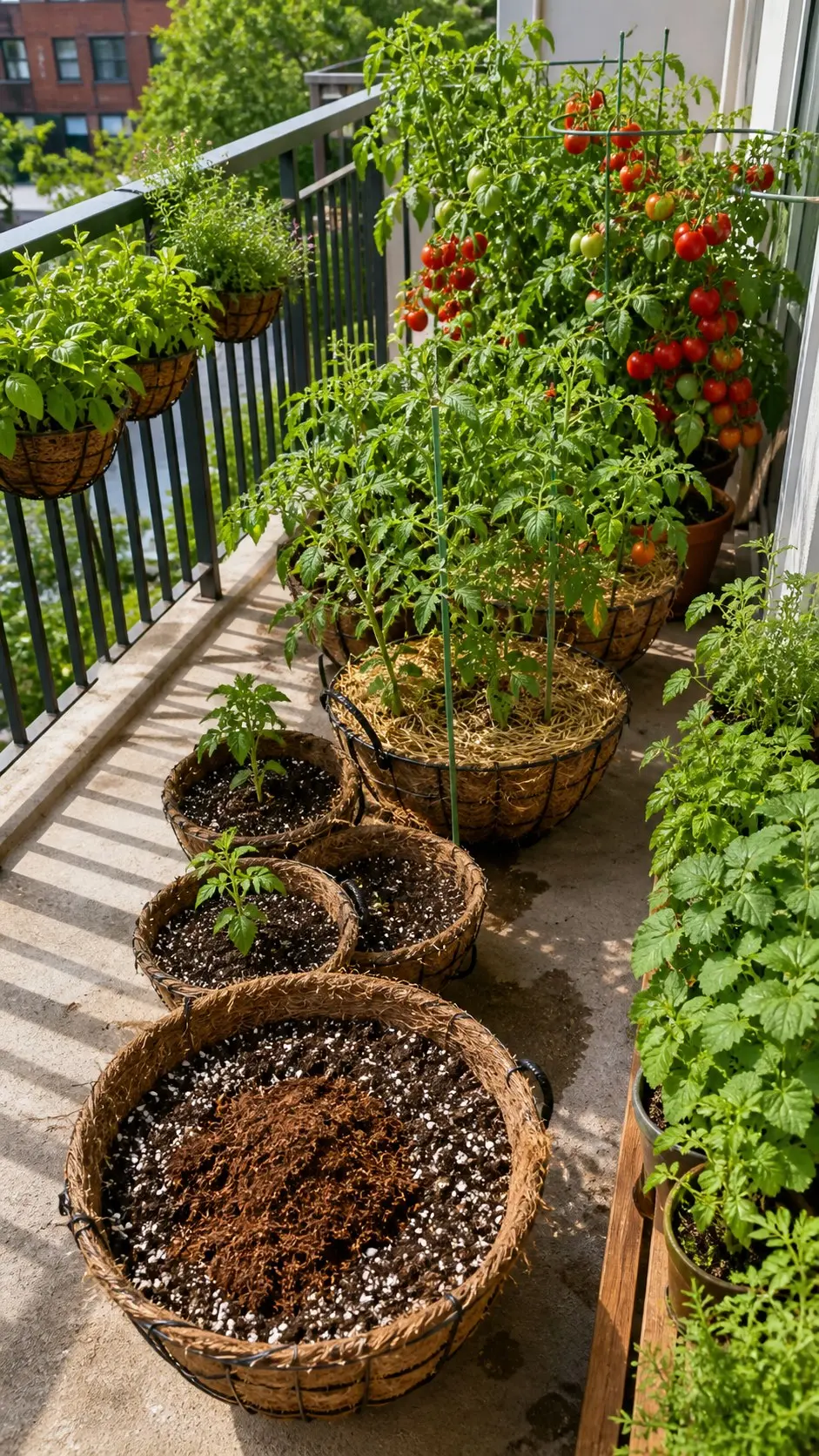
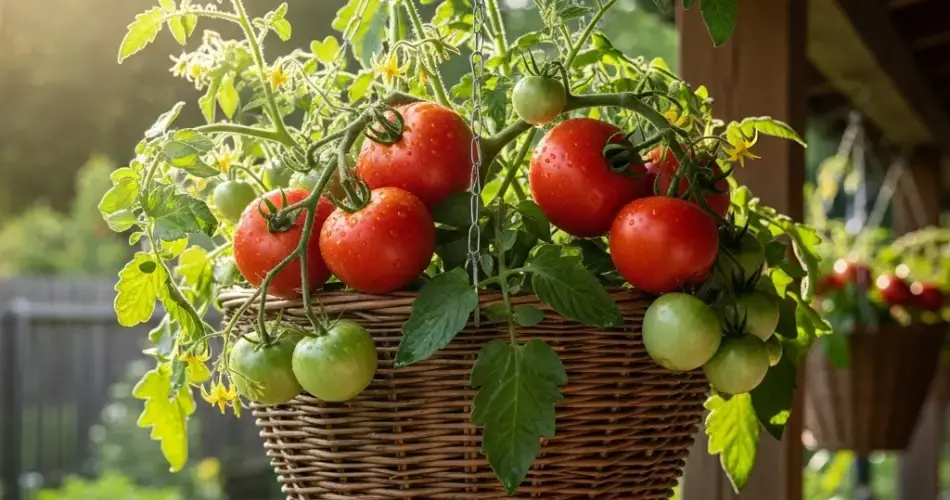
Tomatoes are a staple in home gardens because they are both delicious and versatile. Even if you do not have a backyard or large garden, you can still grow them successfully in baskets. Hanging or standing baskets not only save space but also add greenery and charm to balconies, patios, and small yards. To make tomato plants thrive in this setup, the right soil preparation and attentive care are essential.
This guide explores the best soil mix for tomatoes in baskets and offers detailed care tips to ensure strong growth, healthy plants, and a plentiful harvest.
Why Soil Quality Matters in Basket Gardening
When growing tomatoes in baskets, the soil has a bigger role to play compared to garden beds. In the ground, roots can spread deep and wide, drawing moisture and nutrients from the surrounding soil. In a basket, however, the roots are confined to a limited space. This means the soil must:
- Provide excellent drainage to prevent root rot.
- Hold enough moisture to keep the plant hydrated between waterings.
- Be rich in nutrients to support fast-growing, fruit-producing plants.
- Allow good aeration for root development.
Getting the soil mix right is the foundation of successful tomato basket gardening.
The Best Soil Mix for Basket-Grown Tomatoes
A carefully prepared soil mix helps balance drainage, fertility, and moisture retention. Here is an effective recipe:
- Base Mix: Start with a high-quality potting mix rather than regular garden soil. Potting mixes are lighter, sterile, and designed for containers.
- Organic Matter: Blend in compost or well-rotted manure. This improves fertility, texture, and beneficial microbial activity.
- Aeration Components: Add perlite or coarse sand to prevent compaction and encourage oxygen flow around the roots.
- Moisture Retention: Incorporate coconut coir or peat moss to help hold water without becoming soggy.
- Nutrients: Mixing in a slow-release organic fertilizer at planting ensures a steady nutrient supply.
This combination provides the rich, well-structured environment tomatoes need in limited space.
Choosing the Right Basket
The container itself also influences soil performance. A basket that is too small or poorly draining can cause issues even with the best soil.
- Size: Select a basket at least 16–18 inches deep and wide. This volume allows enough soil to support root growth and reduce quick drying.
- Liner: If using a woven basket, line it with coconut coir or burlap to hold soil in place while still permitting airflow.
- Drainage: Ensure there are enough holes to let excess water escape.
A strong and well-prepared basket will set your tomatoes up for success.
Watering Tomatoes in Baskets
Tomatoes grown in baskets tend to dry out more quickly than those in the ground. Proper watering is key to keeping them healthy.
- Consistency: Keep the soil evenly moist, never allowing it to dry out completely or become waterlogged.
- Frequency: In warm weather, you may need to water daily. In cooler conditions, every two to three days may be enough.
- Mulching: Adding a thin layer of straw, dried leaves, or shredded bark on top of the soil helps conserve moisture.
- Bottom Watering Option: Placing a saucer under the basket or using a self-watering system can help maintain consistent hydration.
Feeding and Fertilization
Tomatoes are heavy feeders, especially in containers where nutrients are limited. Regular feeding supports flowering and fruiting.
- Slow-release fertilizer: A balanced organic fertilizer mixed into the soil at planting provides a base supply.
- Liquid feeding: Every two to three weeks, apply a liquid fertilizer high in potassium to promote fruit development.
- Epsom salts (optional): A small dose of dissolved Epsom salts occasionally can help supply magnesium, improving leaf health and fruit production.
Balanced nutrition ensures plants remain vigorous and productive throughout the season.
Sunlight and Placement
Tomatoes need abundant sunlight to produce fruit. Place the basket in the sunniest spot available.
- Light requirement: At least 6–8 hours of direct sunlight daily is ideal.
- Air circulation: Ensure the location has good airflow to reduce the risk of fungal diseases.
- Protection: In very hot climates, consider providing light afternoon shade to prevent leaf scorch.
The right placement makes a big difference in plant health and fruit yield.
Ongoing Care and Maintenance
Caring for basket-grown tomatoes goes beyond soil and watering. Regular maintenance helps maximize your harvest.
- Pruning: Remove suckers that appear between the stem and branches. This directs energy into producing fruits.
- Support: Even in baskets, tomato plants benefit from small stakes, cages, or trellises to keep stems upright and fruits off the soil surface.
- Pest monitoring: Check leaves regularly for signs of aphids, whiteflies, or caterpillars, and take action promptly.
- Disease prevention: Avoid wetting the foliage when watering, and ensure good spacing to allow air circulation.
A little attention each week keeps plants strong and reduces problems.
Harvesting Basket-Grown Tomatoes
Most tomato varieties grown in baskets will be ready for harvest within 60–85 days, depending on the type.
- Pick fruits when they are fully colored and slightly soft to the touch.
- Harvest regularly to encourage continuous production.
- If frost threatens, pick green tomatoes and allow them to ripen indoors.
Conclusion
Growing tomatoes in baskets is a practical and rewarding way to enjoy fresh produce in limited spaces. The key to success lies in preparing the best soil mix—rich, well-draining, and moisture-retentive—combined with proper watering, feeding, and ongoing care. With the right setup and a bit of attention, basket-grown tomatoes will reward you with an abundant harvest of sweet, juicy fruits right from your balcony or patio.
