
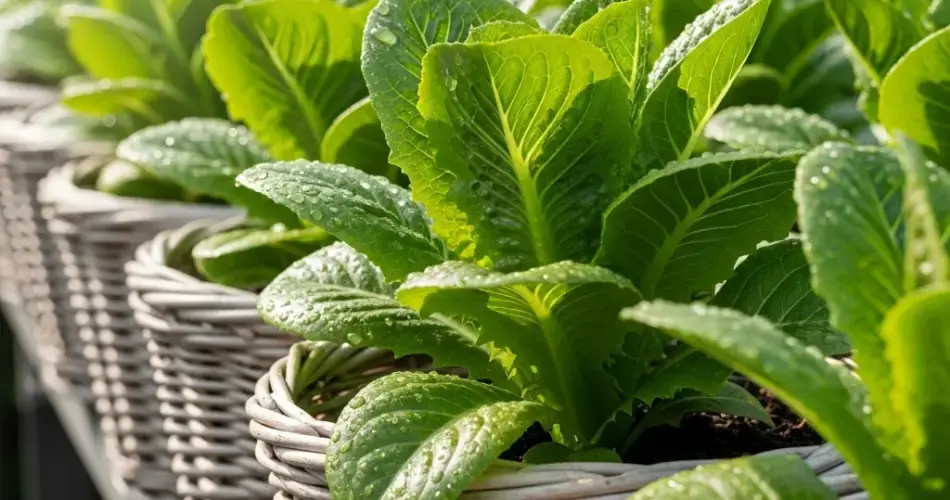
Growing lettuce at home is one of the easiest and most rewarding gardening projects, especially for those working with limited space. With its fast growth and constant supply of fresh leaves, lettuce is perfect for container gardening. Instead of relying on traditional pots, you can use woven baskets to create a charming and functional mini-garden. Baskets are lightweight, easy to move, and add rustic appeal to balconies, patios, or backyards. With a bit of planning, they can provide an abundant supply of crisp lettuce throughout the season.
This guide walks you through every step of growing lettuce in baskets—from preparing your container to harvesting fresh greens.
Why Grow Lettuce in Baskets?
Lettuce is a shallow-rooted plant, meaning it doesn’t require deep soil to thrive. This makes it an ideal choice for baskets, which typically offer moderate depth but wide surface space. Baskets also allow good air circulation around the roots and can be lined to hold soil while providing drainage. Plus, they’re portable, so you can shift them around to follow the sun or move them out of harsh weather.
Step 1: Choosing the Right Basket
Not all baskets are suitable for planting. Here’s what to look for:
- Size: A basket about 8–10 inches deep and wide enough to accommodate multiple plants is ideal.
- Strength: Choose a sturdy basket that can handle the weight of moist soil.
- Lining: Because baskets are porous, line them with burlap, coconut coir, or landscape fabric. This prevents soil loss while still allowing water drainage.
- Handles or Mobility: If you need to move the basket frequently, ensure it has strong handles or place it on a movable tray.
Step 2: Preparing the Soil Mix
Lettuce prefers light, fertile soil that drains well but retains some moisture. A good blend for baskets is:
- 2 parts potting mix or garden soil
- 1 part compost for nutrients
- 1 part perlite, vermiculite, or coarse sand for drainage
Mix the ingredients thoroughly before filling the basket. Adding a slow-release organic fertilizer at this stage will give your lettuce a steady supply of nutrients.
Step 3: Sowing or Transplanting
You can grow lettuce directly from seeds or by transplanting young seedlings.
- From seeds: Scatter them evenly across the soil surface, then cover lightly with a thin layer of soil. Lettuce seeds are small and should not be buried deeply. Mist with water to avoid displacing them.
- From seedlings: Space each seedling about 6–8 inches apart to allow room for mature growth.
After planting, water gently to settle the soil.
Step 4: Placing the Basket
Lettuce thrives in cooler weather and prefers partial sun. Place your basket where it will receive 4–6 hours of sunlight daily. In very hot climates, protect the plants from harsh midday sun by moving the basket to a shaded spot or using a light fabric cover.
Step 5: Watering and Care
Because baskets dry out faster than standard containers, frequent watering is crucial. Keep the soil consistently moist but not waterlogged. Using mulch such as straw or shredded leaves on the soil surface helps retain moisture.
Fertilize every two weeks with a balanced liquid fertilizer, or use compost tea to keep the plants nourished.
Step 6: Thinning and Maintenance
If you’ve sown seeds, thin the seedlings once they reach a few inches tall. Space them out to avoid overcrowding, which can lead to smaller leaves and increased disease risk. You can eat the thinnings as tender baby greens.
Check your plants regularly for pests such as aphids or slugs. Removing damaged leaves promptly helps the plant remain healthy and productive.
Step 7: Harvesting Lettuce
One of the best parts of growing lettuce in baskets is how quickly you can start harvesting. Depending on the variety, lettuce is usually ready in 30–45 days.
You have two main harvesting methods:
- Cut-and-come-again: Trim the outer leaves when they reach usable size, leaving the center intact to keep producing.
- Full harvest: Cut the entire plant at the base when it reaches maturity.
The first method provides a continuous supply of fresh leaves over several weeks.
Advantages of Basket-Grown Lettuce
- Space-saving: Perfect for balconies, patios, or small gardens.
- Portable: Easy to move for better sunlight or protection from weather.
- Eco-friendly: Repurposing baskets reduces waste and adds rustic beauty to your garden space.
- Fresh supply: Quick growth means you can enjoy fresh, chemical-free lettuce right at home.
Conclusion
Lettuce is one of the most rewarding vegetables for container gardening, and woven baskets provide a practical and decorative alternative to traditional planters. With the right soil, careful watering, and consistent care, your basket garden will yield a steady harvest of crisp, flavorful leaves. Whether you grow them for daily salads, sandwiches, or simply the joy of gardening, lettuce baskets bring convenience and freshness to even the smallest spaces.
By following this step-by-step guide, you can transform an ordinary basket into a productive mini-garden—proof that fresh, homegrown food doesn’t require a large yard, just creativity and care.
