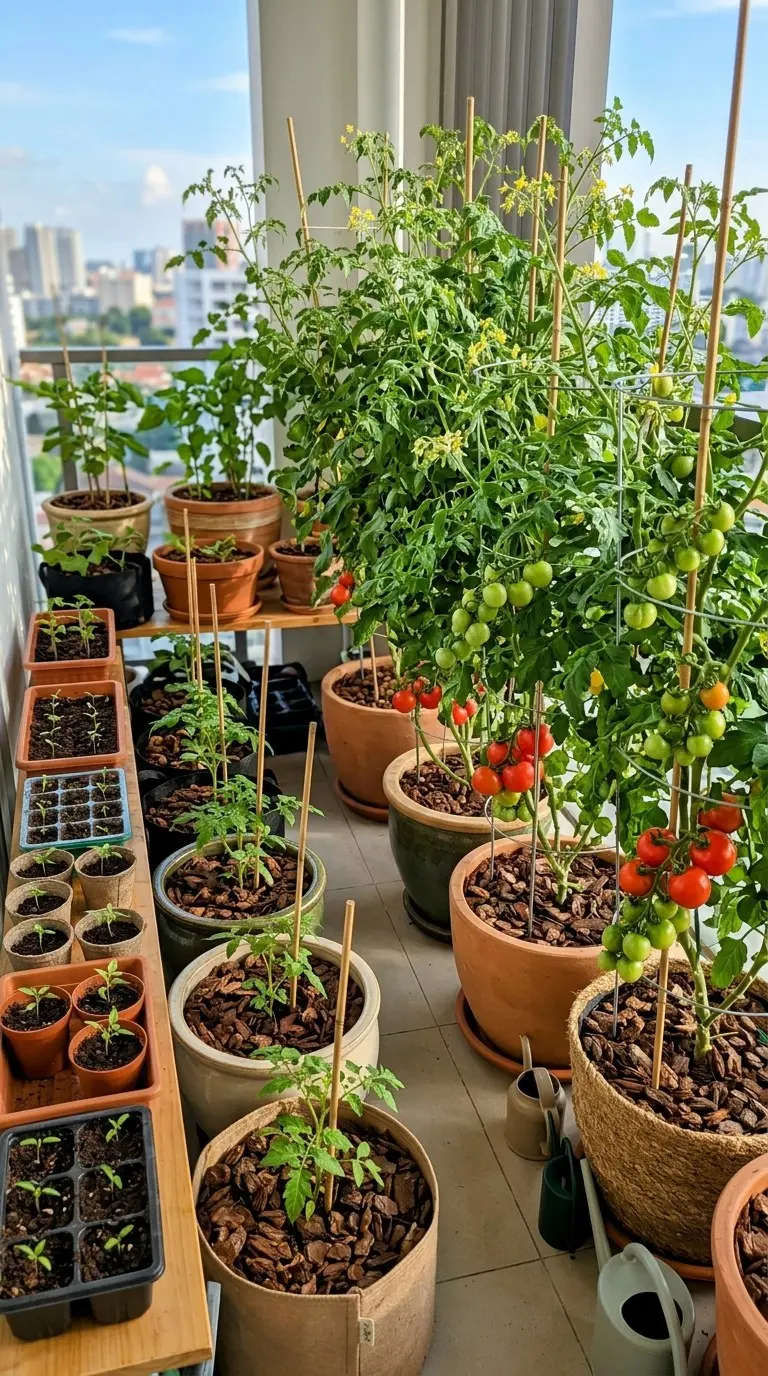
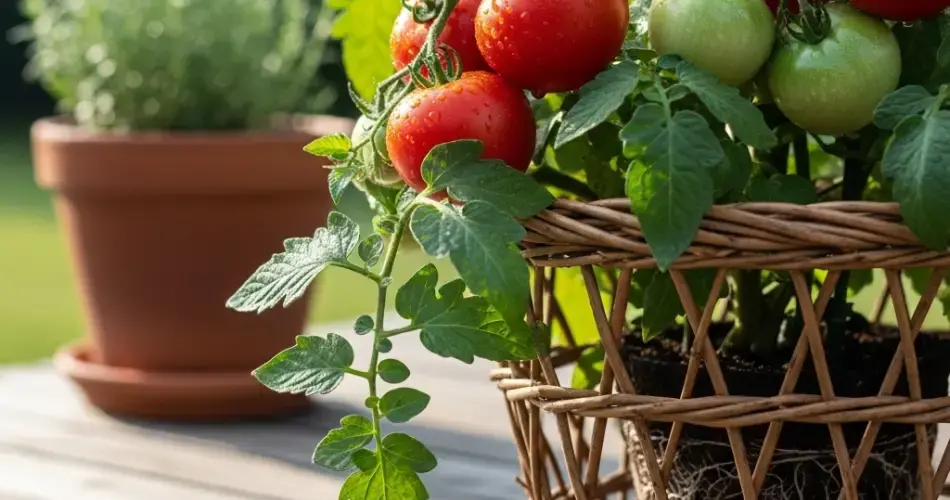
Tomatoes are one of the easiest and most rewarding crops to grow at home. With their vibrant color, refreshing flavor, and endless culinary uses, they remain a favorite for both beginner and experienced gardeners. For those living in apartments or homes with little outdoor space, growing tomatoes might seem challenging. However, balcony gardening makes it possible to enjoy a steady supply of fresh, homegrown tomatoes without needing a large garden plot.
With the right containers, soil, and care, anyone can transform a balcony into a productive tomato-growing space. This method is not only practical but also brings greenery, beauty, and freshness to urban living.
Why Grow Tomatoes on a Balcony?
Tomatoes are well-suited to balcony gardening because they adapt easily to container environments. When grown in pots, baskets, or tubs, they require minimal space but still produce abundantly. Some key benefits include:
- Fresh Harvests at Home: Enjoy the unbeatable taste of vine-ripened tomatoes right outside your door.
- Space Efficiency: Even small balconies can accommodate a few plants.
- Decorative Value: Tomato plants with clusters of red fruit add a natural charm to urban spaces.
- Control and Care: Container gardening reduces issues with soil-borne diseases and makes watering and feeding more manageable.
Balcony-grown tomatoes prove that limited space does not limit productivity.
Choosing the Right Tomato Varieties
Selecting the proper variety is essential for success in balcony gardening. Compact and container-friendly types are best because they adapt to limited root space and smaller environments. Consider these options:
- Cherry Tomatoes: Fast-growing and highly productive, perfect for snacking and salads.
- Grape Tomatoes: Sweet, firm, and long-lasting after harvest.
- Dwarf Varieties: Bred specifically for pots and containers, requiring less space.
- Trailing or Bush Types: Ideal for hanging baskets or rail planters.
Choosing varieties suited to balcony conditions ensures a steady and healthy harvest.
Best Containers for Balcony Tomatoes
Tomatoes thrive when given enough room for their roots. While hanging baskets work well for smaller or trailing varieties, larger bush tomatoes need deeper pots. When choosing containers, consider:
- Size: A minimum of 12–16 inches deep is ideal for healthy root growth.
- Material: Plastic pots are lightweight, while clay or ceramic pots help regulate soil temperature.
- Drainage: Always ensure proper drainage holes to prevent waterlogging.
- Placement: Position containers where they can receive at least 6–8 hours of direct sunlight daily.
Balcony rail planters and tiered stands can maximize vertical space while keeping plants healthy.
Preparing the Perfect Soil Mix
Tomatoes require nutrient-rich, well-draining soil. A simple, effective mix for balcony gardening includes:
- High-quality potting mix as the base.
- Compost or organic matter to enrich the soil with nutrients.
- Perlite or coco coir to maintain aeration and retain moisture.
Adding a slow-release fertilizer before planting ensures consistent feeding during the growing season.
Planting and Early Care
Planting tomatoes in balcony containers is straightforward:
- Fill the container two-thirds full with the prepared soil mix.
- Place the seedling deep in the soil, covering part of the stem to encourage strong root growth.
- Add more soil, leaving an inch at the top for watering space.
- Water thoroughly after planting.
In the first few weeks, ensure seedlings are well-watered and protected from strong winds, which can stress young plants.
Ongoing Care and Maintenance
Balcony-grown tomatoes require attentive but simple care:
- Watering: Containers dry out faster than ground soil, so check daily. During hot spells, you may need to water twice a day.
- Feeding: Use a liquid tomato fertilizer every two weeks once plants begin flowering.
- Pruning: Remove side shoots (suckers) to direct energy toward fruit production.
- Mulching: Add straw, leaves, or coir on the soil surface to retain moisture and regulate temperature.
Consistency in watering and feeding is the secret to healthy plants and abundant harvests.
Supporting Balcony Tomatoes
Even in containers, tomatoes often need support as they grow. Small trellises, cages, or bamboo stakes work well. Trailing or hanging varieties can cascade beautifully over balcony edges, while upright bush types benefit from compact cages. Providing support early helps prevent breakage and encourages better fruiting.
Common Pests and Problems
Balcony gardens are less prone to soil-borne diseases, but tomatoes may still face some issues:
- Aphids and Whiteflies: Control with neem oil or insecticidal soap.
- Fungal Problems: Ensure good air circulation and water the soil directly, not the leaves.
- Blossom End Rot: Prevent with consistent watering and adequate calcium.
Routine inspections allow you to manage problems before they affect the harvest.
Harvesting Balcony Tomatoes
The most rewarding step is harvesting ripe tomatoes. Depending on the variety, fruits are usually ready within 60–80 days. Harvest when tomatoes are fully colored, slightly firm, and come off the vine with a gentle twist. Regular harvesting encourages the plant to keep producing.
Final Thoughts
Balcony gardening makes it possible for urban dwellers to grow and harvest fresh tomatoes with ease. With the right containers, soil, and care routine, anyone can enjoy the satisfaction of picking juicy, sun-ripened tomatoes just steps away from their kitchen.
Whether you choose compact dwarf varieties, trailing cherry tomatoes, or bush types in large pots, balcony gardening proves that even small spaces can deliver big harvests. This method not only ensures a fresh supply of healthy food but also transforms balconies into vibrant green spaces, bringing nature closer to everyday urban life.
