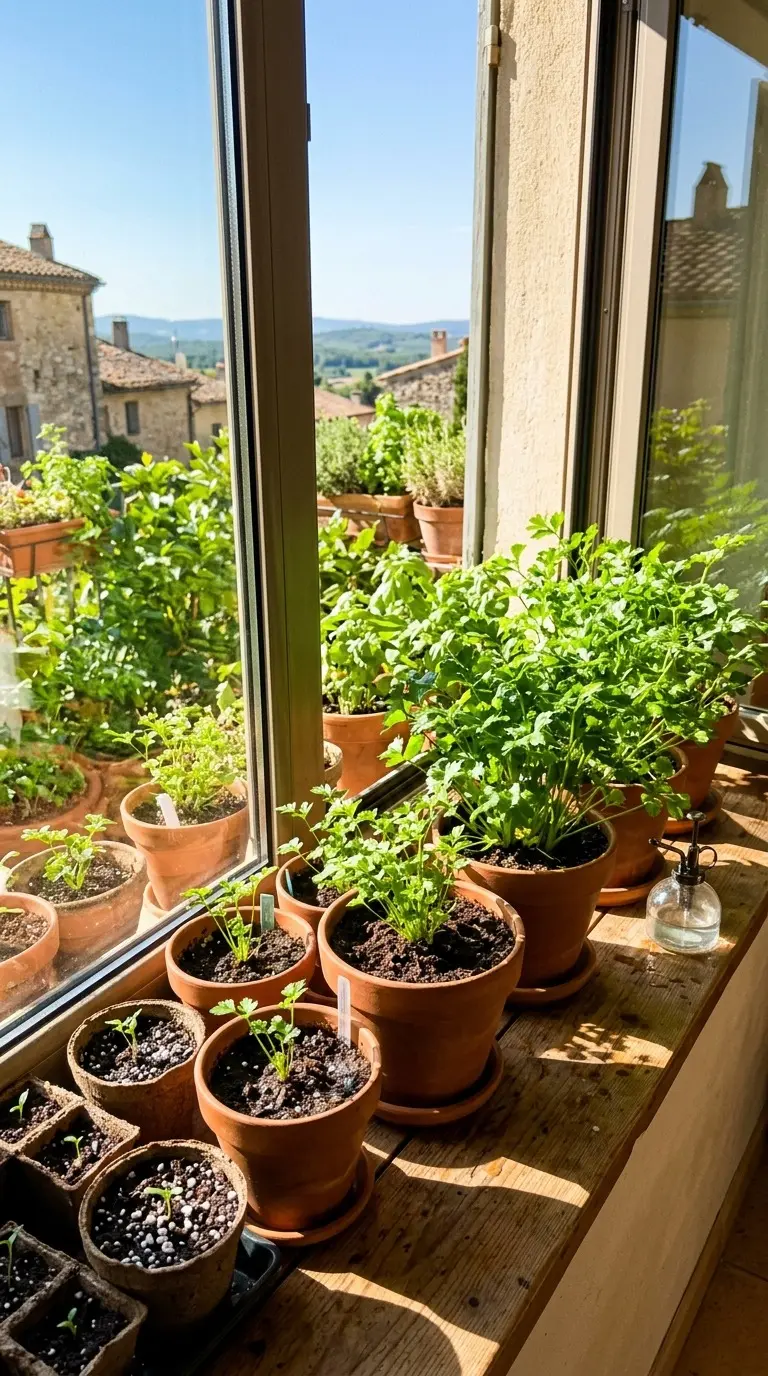
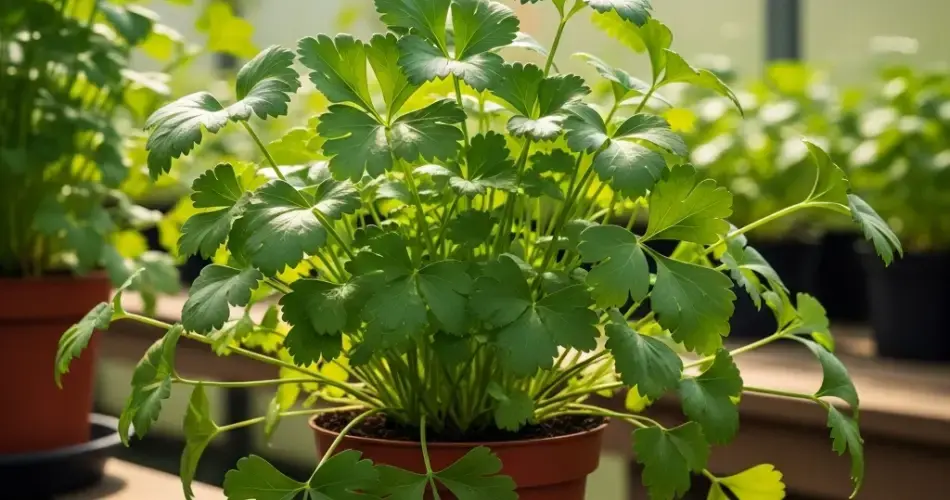
Parsley is more than just a garnish—it is a nutritious and versatile herb that enhances countless dishes. With its fresh, slightly peppery flavor and vibrant green leaves, it has long been a staple in kitchens around the world. The good news is that you don’t need a backyard garden to grow parsley successfully. With the right potting setup, this herb thrives in compact spaces, making it perfect for balconies, windowsills, patios, or even indoor kitchen gardens.
Why Parsley Suits Potted Gardening
Parsley is well-suited for container growing because it doesn’t require a large plot of land. As a biennial herb, it spends its first year producing lush leaves and then shifts to flowering and seeding in the second year. This growth pattern makes it ideal for year-round harvesting from pots, since you can easily rotate plants as needed. Growing parsley in containers also allows you to control the soil, light, and water conditions, ensuring healthier plants and a steady supply of fresh leaves.
Choosing the Best Pot
When setting up parsley in pots, size and drainage matter most. A container that is at least 10–12 inches deep gives enough space for parsley’s long taproot to develop. The width should also allow multiple plants without overcrowding—12 inches or more is ideal. Containers made of terracotta, ceramic, or plastic can all work, but they have different characteristics. Terracotta provides breathability but dries out quickly, while plastic retains moisture longer. Whatever material you choose, make sure the pot has drainage holes at the bottom to prevent soggy soil and root rot.
Creating the Right Soil Mix
Parsley thrives in fertile, well-draining soil that retains moisture without becoming compacted. A good potting mix should be light and airy, enriched with organic matter. To create an ideal blend:
- Mix 2 parts high-quality potting soil.
- Add 1 part compost for nutrients.
- Include 1 part perlite or coarse sand to improve drainage.
This combination encourages strong root growth and keeps the soil balanced. To give your plants an early boost, you can also mix in a slow-release organic fertilizer at the time of planting.
Planting Parsley
Parsley can be grown from either seeds or seedlings. Seeds require patience, as they germinate slowly—often taking two to four weeks. To speed up the process, soak seeds in warm water overnight before planting. Sow them about ¼ inch deep, cover lightly with soil, and water gently. Keep the soil consistently moist during germination. If using seedlings, plant them at the same depth they were growing in their original containers, spacing each plant about 6 inches apart.
Light and Temperature Needs
Parsley grows best with 5–6 hours of sunlight each day. A sunny south- or west-facing window is ideal for indoor growing. If natural light is limited, especially during winter months, a grow light can ensure steady development. Parsley also enjoys mild temperatures—between 60–75°F (15–24°C). Extreme heat can cause it to bolt, while frost can damage leaves, so containers should be moved indoors or shaded as needed.
Watering and Fertilizing
Consistency is the key to watering parsley in pots. The soil should remain evenly moist but not waterlogged. Check by feeling the top inch of soil; if it is dry, it’s time to water. Because containers dry out faster than garden beds, potted parsley may need more frequent watering, especially in summer. For nutrition, feed your parsley with a balanced liquid fertilizer every 3–4 weeks, or refresh the potting soil with compost every couple of months to maintain vitality.
Harvesting Techniques
Harvesting parsley the right way encourages continuous growth. Always cut the outer stems at the base, leaving the central growth intact. This allows the plant to keep producing new leaves from its center. Avoid pulling leaves individually, as it can stress the plant. With regular trimming, parsley remains bushy and productive for months.
Troubleshooting Common Problems
Potted parsley is relatively easy to care for, but a few issues may arise:
- Yellowing leaves: Often caused by overwatering or nutrient deficiency. Adjust watering and add compost or fertilizer.
- Leggy plants: Usually the result of insufficient light. Move the container to a sunnier spot or use grow lights.
- Slow germination: Normal for parsley, but soaking seeds helps.
- Pests like aphids or spider mites: Treat with insecticidal soap or neem oil, and keep plants well-ventilated.
Year-Round Growing Strategy
To keep parsley available throughout the year, plan for succession planting. Start new seeds every few months so you always have fresh plants to replace older ones. In colder months, bring containers indoors to protect them from frost, and use grow lights if needed. In warmer climates, provide light shade during peak summer heat to prevent early bolting. Regular pruning and careful seasonal adjustments will keep your parsley thriving in pots across all seasons.
Final Thoughts
Parsley is one of the easiest and most rewarding herbs to grow in containers. Whether you live in a city apartment, have a small balcony, or just want fresh herbs within reach of your kitchen, potted parsley offers a compact gardening solution. With the right pot, soil, and care, you can enjoy lush green leaves year-round. Not only will it enhance your cooking, but it will also bring a touch of vibrant greenery to your living space—proof that even in small pots, big flavors can flourish.
