
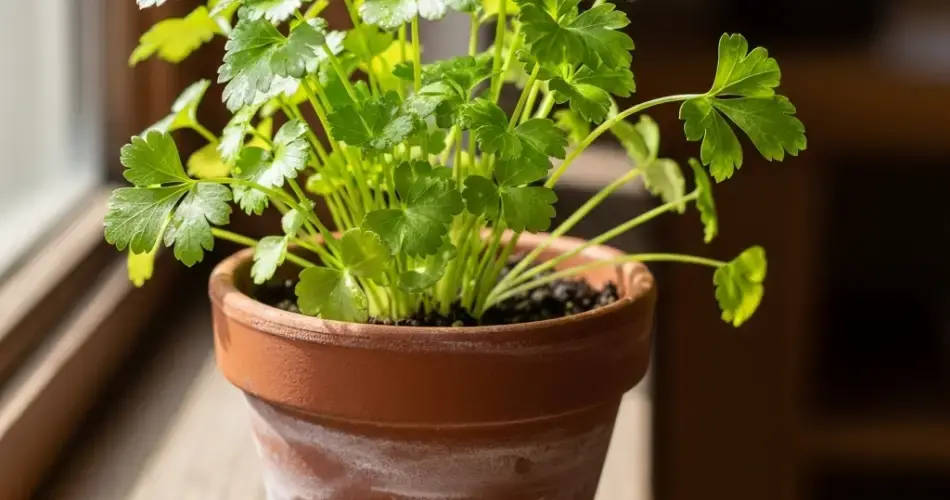
Parsley is a kitchen staple that adds freshness, flavor, and nutrition to countless dishes. Many home cooks and gardeners appreciate its versatility but often assume it requires a large garden bed. Fortunately, parsley thrives in containers, making it an excellent choice for patios, balconies, windowsills, or any small outdoor space. With the right care, you can enjoy a steady supply of vibrant green leaves throughout the growing season. This step-by-step guide will walk you through everything you need to know about growing parsley successfully in containers.
Step 1: Choose the Right Variety
There are two main types of parsley to consider: curly leaf parsley and flat-leaf (Italian) parsley. Curly parsley is often used as a garnish thanks to its decorative appearance, while flat-leaf parsley has a stronger flavor, making it ideal for cooking. Both grow well in containers, so choose based on your culinary needs—or plant both for variety.
Step 2: Select the Best Container
Parsley develops a long taproot, so it needs a deep pot to thrive. Choose a container at least 10–12 inches deep and wide enough to hold one or more plants. Ensure the pot has drainage holes at the bottom, as parsley does not tolerate waterlogged soil. Clay, ceramic, or plastic pots all work well, provided they allow excess water to escape.
If you want multiple plants, consider a rectangular planter or window box. This makes it easier to grow several parsley plants side by side while saving space on your patio or balcony.
Step 3: Prepare the Soil
Parsley prefers rich, well-draining soil with a slightly acidic to neutral pH (around 6.0–7.0). Use a high-quality potting mix rather than garden soil, as the latter can compact easily in containers. Mix in compost or well-rotted manure before planting to provide long-lasting nutrients. Adding perlite or coarse sand can also improve drainage, which is essential for healthy root development.
Step 4: Planting Seeds or Seedlings
You can grow parsley either from seeds or transplants purchased from a nursery.
- Starting from seed: Parsley seeds are slow to germinate, often taking two to three weeks. To speed things up, soak the seeds in warm water for 12–24 hours before planting. Sow them about a quarter of an inch deep in the soil and cover lightly. Keep the soil consistently moist until the seedlings appear.
- Using seedlings: If you want a quicker start, buy young parsley plants. Transplant them into your prepared containers, spacing them about 6–8 inches apart to give each plant enough room to grow.
Step 5: Provide Adequate Light
Parsley thrives in full sun, which means it needs at least 6 hours of direct light daily. However, it can tolerate partial shade, especially in hot climates where intense sun can cause the soil to dry out quickly. On patios or balconies, place containers where they receive morning sun and light afternoon shade.
For indoor growing, position pots on a bright windowsill or use grow lights to ensure healthy development.
Step 6: Watering and Feeding
Consistent watering is vital for parsley. The soil should be kept evenly moist but never soggy. Check the top inch of soil regularly; if it feels dry, it’s time to water. Avoid letting the soil dry out completely, as this can cause the leaves to yellow and reduce flavor.
For feeding, apply a balanced liquid fertilizer every 4–6 weeks during the growing season. Organic options such as compost tea or fish emulsion also work well. Healthy, well-fed plants will reward you with lush green leaves for months.
Step 7: Harvesting Correctly
The proper harvesting technique keeps parsley productive. Always cut the outer stems at the base, leaving the younger inner shoots to continue growing. Avoid removing more than one-third of the plant at a time. Regular harvesting not only provides fresh herbs for cooking but also encourages new growth.
Flat-leaf parsley tends to grow faster and recover quickly after cutting, while curly parsley may take a little longer. Both will continue producing as long as they are well cared for.
Step 8: Extend the Growing Season
Parsley is a biennial plant. In its first year, it produces leaves, and in the second year, it typically flowers and sets seed. To maintain a continuous harvest, plant new seeds every few months or replace older plants after their first growing season.
In colder regions, you can extend the growing season by bringing pots indoors before the first frost. Place them in a sunny window or use grow lights to keep harvesting fresh parsley through winter.
Step 9: Companion Planting Benefits
Parsley not only provides flavor but also supports a healthy container garden. It attracts beneficial insects such as hoverflies and pollinators, which can help nearby plants. Consider growing parsley alongside basil, tomatoes, or peppers in separate pots for a thriving mini herb and vegetable garden.
Final Thoughts
Growing parsley in containers is straightforward, rewarding, and ideal for gardeners with limited space. With the right pot, good soil, and consistent care, you can enjoy fresh parsley leaves right outside your kitchen door. By following these steps, your patio or balcony can become a productive source of one of the most popular herbs in the kitchen.
