
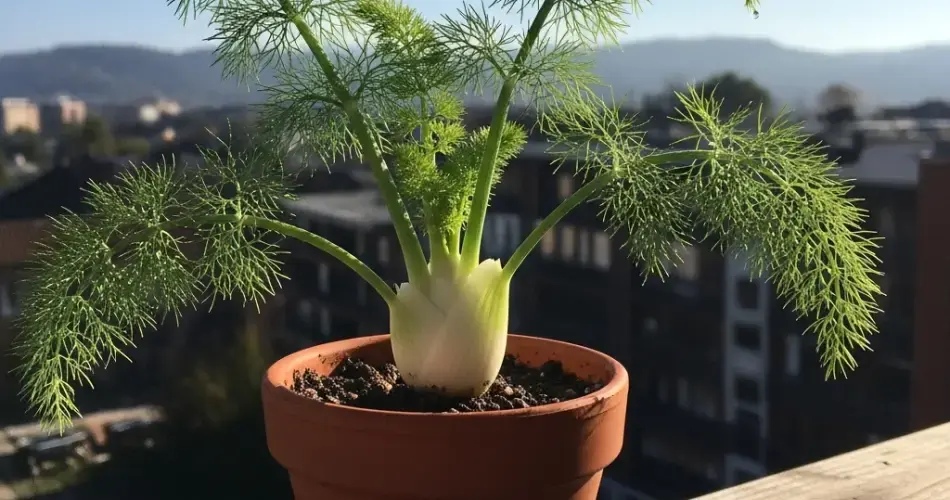
Fennel is a remarkable plant valued for both its culinary and medicinal uses. With its feathery green foliage, crisp bulbs, and fragrant seeds, it has become a favorite for gardeners and cooks alike. The good news is that you don’t need a large plot of land to grow fennel successfully. With the right setup, it can thrive in pots on your balcony, patio, or backyard, providing you with a fresh and flavorful harvest right at home.
Why Choose Fennel for Container Gardening
Fennel belongs to the carrot family and comes in two main varieties: Florence fennel, grown for its edible bulb, and common fennel, grown primarily for leaves and seeds. Both types adapt well to pots, provided they have enough space and the right growing conditions. Container growing gives you the flexibility to move plants for better sunlight, protect them from harsh weather, and maintain control over soil quality. For urban gardeners or those with limited space, fennel in pots is an ideal solution.
Choosing the Right Container
Since fennel develops a substantial root system, the container must be both wide and deep. A pot with at least 12–14 inches in depth and 12 inches in diameter will provide enough space for bulb development and healthy roots. For multiple plants, consider larger containers or planter boxes that allow spacing of about 10 inches between each plant. Terracotta pots work well for aeration but require more frequent watering, while plastic or ceramic containers retain moisture more effectively. Whatever material you choose, ensure the pot has proper drainage holes at the bottom.
Preparing the Perfect Soil Mix
Fennel grows best in rich, well-draining soil. Heavy soils that hold too much water can cause the bulbs to rot, so a light, airy potting mix is essential. A good soil blend includes:
- 2 parts high-quality potting soil
- 1 part compost or well-rotted manure
- 1 part coarse sand or perlite for drainage
The soil should be slightly acidic to neutral, with a pH between 6.0 and 7.0. Adding compost ensures the plant receives steady nutrients throughout its growth cycle, while perlite or sand prevents waterlogging.
Planting Fennel in Pots
Fennel can be grown directly from seeds, which germinate easily under the right conditions. Sow seeds about ¼ inch deep, spacing them 10 inches apart if planting multiple seeds in a large container. Water gently to keep the soil moist until germination, which usually occurs within 7–14 days. Because fennel does not transplant well due to its long taproot, it is best to sow seeds directly in the final container rather than starting in seed trays.
Sunlight and Temperature Needs
Fennel is a sun-loving plant that requires at least 6 hours of direct sunlight daily. Place your pots on a sunny balcony, patio, or in the brightest spot in your backyard. In cooler climates, containers can be shifted to maximize sun exposure, while in very hot regions, light afternoon shade can prevent stress. Ideal temperatures for fennel range between 60–70°F (15–21°C). Extreme heat can cause the plant to bolt early, while frost can damage both foliage and bulbs.
Watering and Feeding
Consistent moisture is crucial for healthy fennel growth, particularly during bulb formation. Water regularly to keep the soil evenly moist but never waterlogged. During hot weather, potted fennel may require daily watering. Mulching the soil surface with straw or dried leaves can help retain moisture. Fertilize with a balanced liquid feed every 3–4 weeks to encourage strong growth, or enrich the soil with compost periodically. Too much nitrogen, however, can result in excessive foliage at the expense of bulb development, so balanced feeding is key.
Caring for Potted Fennel
Regular maintenance helps ensure a strong harvest. Thin out seedlings once they are 3–4 inches tall, leaving the healthiest plants to mature. Keep pots free of weeds, as they compete for nutrients and moisture. If you are growing Florence fennel for bulbs, gently mound soil around the base of the plants as the bulbs start to swell. This process, known as “blanching,” protects the bulbs from direct sunlight, keeping them tender and white.
Harvesting Fennel
The timing of your harvest depends on the variety you are growing. For Florence fennel, bulbs are usually ready in about 80–100 days after sowing. Harvest them when they reach the size of a tennis ball, cutting the bulb at the base. Leaves can be harvested at any stage by snipping them off as needed for garnishing dishes. If growing for seeds, allow flower heads to dry on the plant before collecting and storing them in airtight containers.
Common Problems and Solutions
Fennel is generally low-maintenance, but container-grown plants may face a few challenges:
- Bolting early: Often caused by high temperatures or irregular watering. Maintain consistent moisture and avoid stress.
- Yellowing leaves: A sign of nutrient deficiency—apply balanced fertilizer or compost.
- Aphids or caterpillars: These pests can damage foliage; treat with insecticidal soap or hand-pick them off.
Final Thoughts
Growing fennel in pots is a practical and rewarding way to enjoy this aromatic herb and vegetable, even without a traditional garden. With the right container, rich soil, proper watering, and plenty of sunlight, you can successfully cultivate fennel on your balcony or in your backyard. From crisp bulbs and feathery leaves to flavorful seeds, potted fennel offers a continuous supply of fresh ingredients for your kitchen while adding beauty and greenery to your outdoor space.
