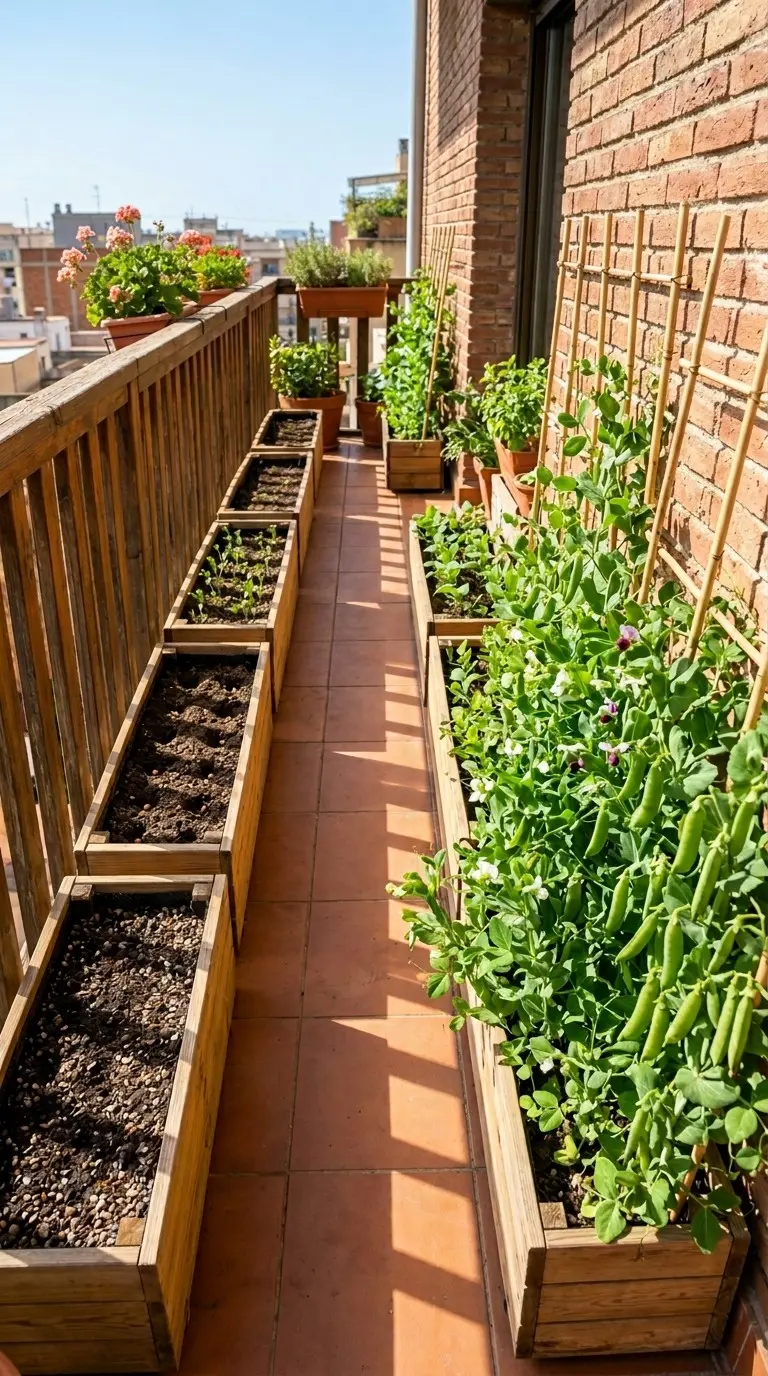
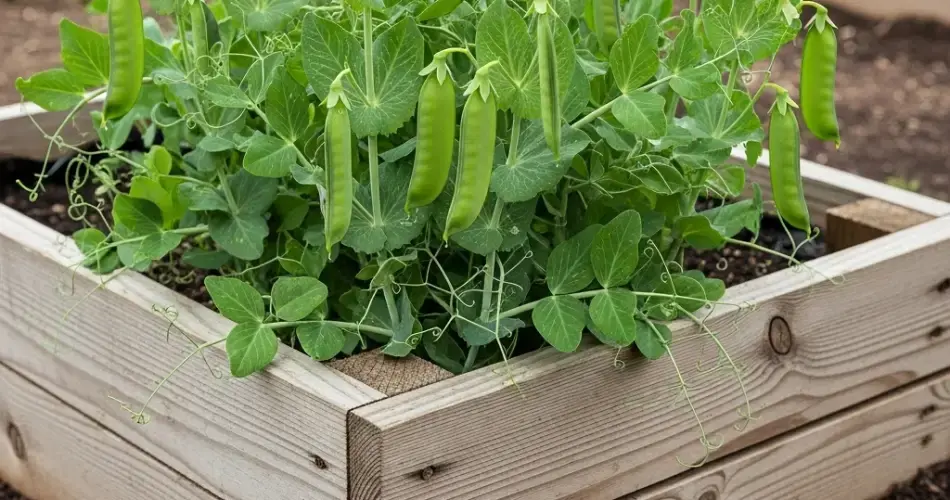
Peas are among the most rewarding vegetables to grow at home. Their crisp pods, sweet flavor, and versatility in cooking make them a favorite for gardeners. But even if you don’t have a large garden or open soil beds, you can still enjoy homegrown peas by using wooden boxes as planters. Wooden box gardening is not only space-efficient but also gives you full control over soil quality, drainage, and placement. With the right setup, you can achieve abundant harvests of fresh peas right on your balcony, patio, or backyard.
Why Choose Wooden Boxes for Peas?
Wooden boxes are an excellent option for container gardening, especially for crops like peas. Their sturdy structure provides deep and wide growing space, essential for healthy root development. Unlike plastic containers, wood helps regulate soil temperature, keeping it cooler in hot weather and slightly warmer in cooler months.
Additionally, wooden boxes add a rustic and natural aesthetic to your garden. They blend well into small outdoor spaces and can be custom-built in different shapes or sizes depending on your needs. With proper care, a wooden planter can last for years, making it a sustainable and practical gardening investment.
Setting Up Your Wooden Box for Peas
To ensure success with your pea plants, the wooden box must be prepared properly before planting.
- Choose the Right Size: A box at least 12 inches deep and 18–24 inches wide works best for peas. This gives enough space for roots to spread while leaving room for multiple plants.
- Ensure Good Drainage: Drill holes at the bottom of the box or line it with coarse gravel to prevent waterlogging. Peas dislike soggy soil, and good drainage is critical to avoid root rot.
- Use Quality Soil: Fill the box with a mixture of garden soil, compost, and a bit of sand for aeration. Peas grow best in loose, well-draining soil enriched with organic matter.
- Placement: Position the box in a sunny location. Peas require at least 6 hours of sunlight daily for strong growth and pod production.
Planting Fresh Peas
Peas are cool-season vegetables and thrive in mild weather. Start sowing seeds directly into the soil when temperatures are between 50–70°F (10–21°C).
- Spacing: Plant seeds about 1–2 inches apart in rows. If you want a denser look, you can plant them closer but ensure good airflow to prevent mildew.
- Depth: Sow seeds about 1 inch deep into the soil.
- Varieties: Choose compact or dwarf varieties for smaller wooden boxes, or climbing varieties if you plan to use a trellis.
Once planted, water gently but thoroughly, keeping the soil moist until germination occurs within 7–10 days.
Supporting Your Pea Plants
Since peas are natural climbers, they benefit from support systems. Adding a trellis to your wooden box is both practical and decorative. You can use bamboo poles, wire mesh, or even a small wooden lattice. Insert the support structure into the box before the peas begin to sprout, so the roots are not disturbed later.
As the plants grow, guide the tendrils toward the support. This not only keeps the vines upright but also improves air circulation, reduces pest problems, and makes harvesting much easier.
Caring for Peas in Wooden Boxes
Peas are relatively low-maintenance plants, but consistent care ensures a successful harvest.
- Watering: Keep the soil evenly moist, especially during flowering and pod development. Avoid overhead watering, as it can promote mildew on leaves.
- Fertilizing: Peas are light feeders since they fix nitrogen in the soil. Still, a light application of compost tea or balanced fertilizer during flowering can boost yields.
- Mulching: Add a thin layer of straw or shredded leaves to help retain soil moisture and reduce weeds.
- Pest Management: Watch for aphids or powdery mildew. Regular inspection and prompt action, such as spraying with mild soapy water, help keep plants healthy.
Harvesting Fresh Peas
Harvest time is one of the most rewarding stages of wooden box gardening. Depending on the variety, peas are ready to pick 60–70 days after planting.
- Snap peas should be harvested when pods are plump but still tender.
- Snow peas are best picked while the pods are flat but crisp.
- Shelling peas should be harvested when the pods are full but before they become too tough.
Harvest regularly to encourage the plant to continue producing more pods. Peas taste best when picked fresh and used immediately, but they can also be stored in the refrigerator for a few days.
Benefits of Wooden Box Pea Gardening
Growing peas in wooden boxes offers more than just fresh harvests. It allows urban gardeners to maximize small spaces, experiment with creative planter designs, and keep crops free from garden soil pests. The raised height also makes maintenance tasks like watering, pruning, and harvesting much more convenient.
Plus, there’s nothing quite like the satisfaction of stepping onto your balcony or patio and picking a handful of crisp peas to add to your meal.
Final Thoughts
Wooden box gardening makes it possible for anyone—whether you have a backyard, a balcony, or just a small patio—to enjoy the sweetness of fresh peas. By preparing the box correctly, choosing the right variety, providing support, and giving consistent care, you can expect a rewarding harvest season after season.
With their simple needs and high productivity, peas are an excellent choice for beginners and experienced gardeners alike. If you want a container gardening project that brings beauty, sustainability, and fresh food to your home, growing peas in wooden boxes is the perfect start.
