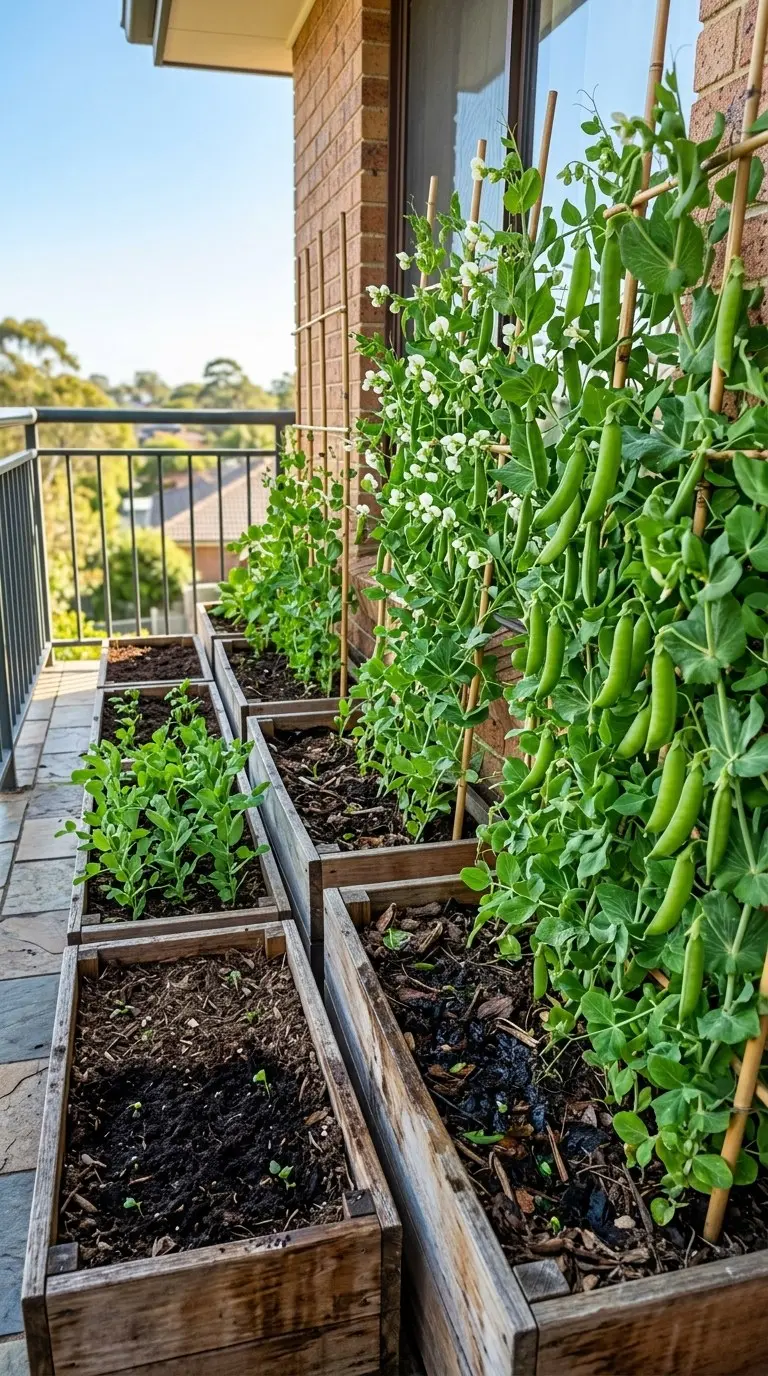
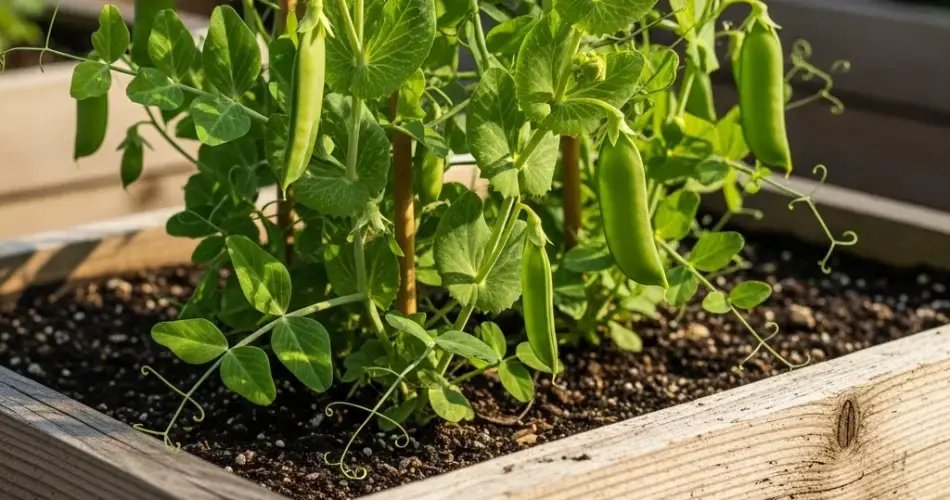
Peas are among the easiest and most rewarding crops to grow in a home garden. Their sweet flavor, fast growth, and versatility in cooking make them a favorite for both beginners and experienced gardeners. While traditional gardening requires open ground, you can successfully grow peas in compact wooden containers, making them perfect for small patios, balconies, or even windowsills. With the right preparation, soil mix, and care, wooden planters can yield abundant and compact pea harvests in just a few months.
Why Wooden Containers Work Well for Peas
Wooden planters offer both practicality and charm for urban gardening. The natural insulation of wood helps regulate soil temperature, protecting roots from extreme heat or cold. Unlike plastic pots, wooden containers allow for better aeration, which is crucial for root health.
Another advantage is flexibility: wooden boxes come in various sizes and can be tailored to fit compact spaces. A deep box isn’t required, since peas have relatively shallow root systems. A planter that is about 10–12 inches deep and wide enough to host multiple plants will do just fine. This makes peas an excellent choice for space-limited gardens where every inch matters.
Choosing the Right Pea Variety
Not all peas are the same, and selecting the right variety ensures better harvests in small containers. Popular choices include:
- Sugar Snap Peas: Sweet, crunchy pods that can be eaten whole, ideal for snacking or stir-fries.
- Snow Peas: Flat, tender pods harvested young, perfect for salads and quick cooking.
- Garden Peas (Shelling Peas): Traditional peas where the seeds are removed from the pod before eating.
If your space is very limited, consider dwarf or bush varieties that remain compact. For slightly larger spaces, climbing peas are an option, but they require trellis support inside or above the container.
Preparing Wooden Containers for Pea Planting
To ensure healthy growth and compact harvests, start with a well-prepared container setup.
1. Container Size
A wooden box that is 24 inches wide and 12 inches deep provides enough room for pea plants to grow without overcrowding. The width allows multiple rows of seeds for denser planting.
2. Drainage
Wooden containers must have drainage holes to prevent waterlogging, which can cause root rot. Elevating the box slightly with wooden blocks or pot feet improves drainage further.
3. Soil Mix
Peas prefer loamy, well-draining soil enriched with organic matter. A balanced mix includes:
- 40% garden soil or high-quality topsoil
- 40% compost or aged manure for nutrients
- 20% sand, perlite, or coco coir for better aeration and drainage
Avoid heavy clay-based soil, as it holds too much water and restricts root growth.
Planting Peas in Containers
- Direct Sowing: Unlike some crops, peas don’t transplant well, so it’s best to sow seeds directly into the wooden container.
- Spacing: Place seeds about 2 inches apart in rows. This allows airflow while keeping the planting dense enough for compact harvests.
- Depth: Sow seeds about 1 inch deep and cover lightly with soil. Water gently after planting.
- Timing: Peas are a cool-season crop. Plant them early in spring or in late fall for best results. In mild climates, they can also grow through winter.
Caring for Peas in Wooden Boxes
- Sunlight: Place the container where it receives at least 5–6 hours of sunlight daily. Morning sunlight is ideal as it prevents overheating.
- Watering: Keep the soil consistently moist but not soggy. Water at the base to avoid wetting foliage, which can lead to fungal issues.
- Fertilization: Peas are light feeders since they fix nitrogen in the soil. Apply a small amount of compost before planting and, if necessary, use a low-nitrogen fertilizer once during the growing season.
- Mulching: A layer of straw, shredded leaves, or coco husk helps retain moisture and keeps the soil cool.
Providing Support
Even compact peas benefit from some support to keep vines upright and pods clean. Small trellises, bamboo stakes, or vertical strings tied along the container work well. Supporting peas also improves air circulation and makes harvesting easier.
Harvesting Compact Crops
Peas mature quickly, with most varieties ready in 60–70 days. Regular harvesting ensures plants continue to produce pods.
- Snow Peas: Pick when pods are flat but still tender.
- Sugar Snap Peas: Harvest when pods are plump but not overly filled.
- Garden Peas: Wait until pods are firm and round before shelling.
Harvest frequently, as leaving pods on the plant too long can slow further production.
Advantages of Container-Grown Peas
- Space Efficiency: Perfect for balconies, patios, and compact gardens.
- Freshness: Pods can be harvested just before eating for maximum sweetness.
- Eco-Friendly: Wooden planters reduce reliance on plastic containers.
- Decorative Appeal: Pea vines climbing in rustic wooden boxes add charm to small outdoor spaces.
Final Thoughts
Compact pea harvests from wooden containers prove that you don’t need a large backyard to enjoy homegrown food. With the right planter size, soil mix, and basic care, peas thrive in small spaces and reward you with crisp, flavorful pods. Whether you choose snow peas, sugar snaps, or shelling peas, container-grown harvests add freshness to your meals while bringing greenery to your home.
By combining functionality with rustic beauty, wooden containers make pea gardening both productive and visually appealing. Even the smallest balcony can be transformed into a source of abundant, compact pea harvests.
