
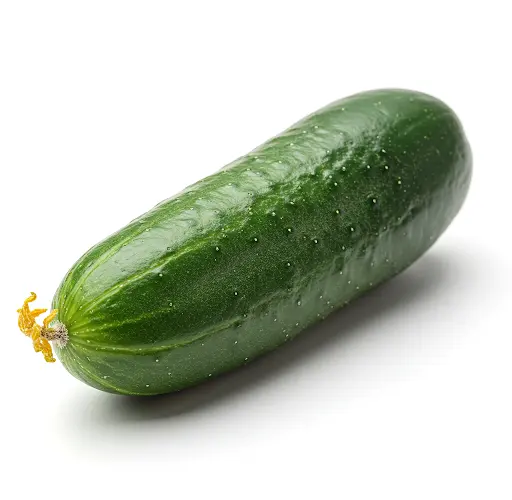
Cucumber plants, like many fruiting vegetables, have specific nutritional needs to thrive. Among the vital nutrients required for optimal growth, boron plays an essential role in plant development. It supports a range of physiological functions, including cell wall formation, sugar transport, and hormone regulation. When properly applied, boric acid—a common source of boron—can help cucumbers grow more vigorously, resist disease, and produce higher yields.
Understanding how boric acid works and how to use it responsibly can make a significant difference in your cucumber crop’s success. Here’s everything you need to know.
Why Boron is Important for Cucumbers
Boron is a micronutrient that plants need in small but essential amounts. It is crucial for:
- Cell division and elongation
- Pollen germination and seed development
- Transport of sugars and carbohydrates
- Strengthening plant cell walls
Without enough boron, cucumbers may exhibit symptoms such as:
- Stunted or slow growth
- Deformed or poorly developed fruits
- Reduced flowering and fruit set
- Brittle or cracked stems
These issues can lead to significantly reduced yields and overall plant health. Boron deficiencies typically occur in sandy soils, soils with high pH, or regions that experience heavy rainfall which leaches nutrients from the ground.
How to Make and Use a Boric Acid Solution
Boric acid is a readily available and inexpensive way to provide boron to your cucumber plants. When used properly, it can prevent boron deficiency and improve the vitality of your plants. Here is how to prepare and apply a boric acid solution safely and effectively:
Ingredients:
- 1 tablespoon of boric acid
- 10 liters of warm water
Instructions:
- Dissolve the Boric Acid: Add one tablespoon of boric acid into 10 liters of warm water. Stir well until the powder dissolves completely. Warm water helps the boric acid dissolve more efficiently.
- Application Methods:
- Soil Drench: Pour the solution evenly around the base of the cucumber plants. This allows the roots to absorb boron directly from the soil.
- Foliar Spray: Using a spray bottle or garden sprayer, apply the solution to the leaves of the cucumber plant. Make sure the leaves are thoroughly coated on both sides.
Foliar spraying is especially useful if the soil conditions inhibit boron uptake. It provides a faster, direct way to supply nutrients during periods of rapid growth or visible nutrient stress.
Safety and Frequency of Application
While boron is beneficial, it is important to remember that too much can be harmful. Boric acid should be used only once per growing season for cucumbers. Overapplication can lead to boron toxicity, which causes yellowing leaves, leaf burn, and reduced plant vigor.
Here are some key precautions to follow:
- Use protective gloves and avoid eye contact when handling boric acid.
- Do not exceed the recommended dosage. Excess boron accumulates in the soil and can harm not just cucumbers but future crops as well.
- Avoid applying during very hot or sunny conditions to prevent leaf burn when foliar spraying.
When to Apply Boric Acid
The best time to apply boric acid is early in the plant’s growth cycle, shortly after transplanting or when new leaves start forming. This ensures the plant has the boron it needs during its most critical development stages.
If you notice signs of boron deficiency such as distorted leaves, poor flowering, or malformed fruit, a carefully timed foliar application can provide quick relief.
Benefits of Using Boric Acid on Cucumbers
When used correctly, boric acid can provide a range of benefits to your cucumber plants:
- Improves flowering and fruit formation
- Enhances sugar transport within the plant, leading to tastier fruits
- Boosts cell wall strength, improving disease resistance
- Promotes healthier root and shoot growth
Final Thoughts
Boric acid is a valuable tool for gardeners seeking to correct or prevent boron deficiency in cucumber plants. Its proper application can lead to stronger plants, improved yields, and better-quality fruits. However, as with all micronutrients, moderation is key. A well-balanced approach—supplying boron only when needed and in safe amounts—will ensure your cucumbers thrive without risking nutrient toxicity.
For gardeners working in boron-deficient soils or aiming to enhance cucumber productivity naturally, boric acid provides a reliable and effective solution when used thoughtfully and responsibly.
