
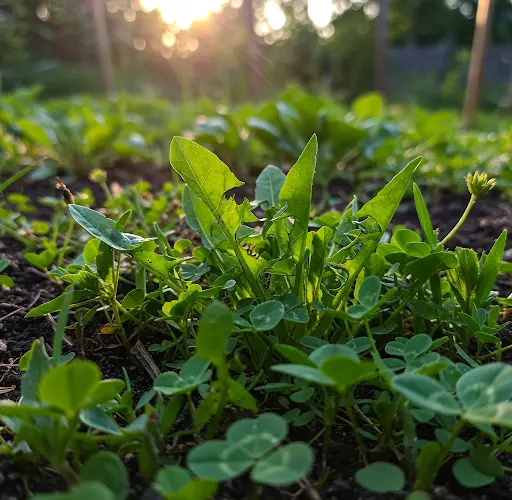
Maintaining clean and weed-free pathways in a vegetable garden can be surprisingly challenging. When invasive weeds like Bermuda grass start creeping in, these paths not only become unsightly but also start competing with your vegetables for water, nutrients, and sunlight. Fortunately, there’s a practical and natural way to take control of your garden walkways—and prevent weeds from coming back.
This guide will walk you through the step-by-step process of transforming your garden pathways into tidy, weed-resistant spaces using simple materials you likely already have at home.
Step 1: Thoroughly Remove All Weeds
The first and most important step is to remove all existing weeds from the pathways. The key here is to get the entire plant—including the roots—so that the weeds don’t grow back quickly. It’s much easier to do this task after a light rain, when the soil is softer and more forgiving, allowing you to pull the plants out more easily.
For stubborn or invasive weeds like Bermuda grass, take extra care. Bermuda grass spreads through underground runners, so if you leave any part of the root system behind, it will quickly regrow. Use a garden fork or a hand trowel to loosen the soil and ensure you’re pulling up the entire root system. Though it might be tempting to rush through this part, taking your time here can save you a great deal of future effort.
Step 2: Lay Down a Weed-Blocking Barrier
Once the weeds are cleared, the next step is to prevent them from coming back. This is done by creating a strong, natural barrier that blocks sunlight and suppresses future weed growth.
Start by covering the cleared pathway with a thick layer of cardboard. Flatten it out completely and overlap the edges to ensure there are no gaps for weeds to grow through. If you don’t have cardboard, other biodegradable materials like layers of old newspaper, magazines, or even worn-out cotton clothes can work well. Just be sure the material is thick enough to block sunlight effectively.
This organic layer will naturally decompose over time and enrich the soil beneath it, but more importantly, it creates a physical barrier that chokes out weed seeds trying to sprout.
Step 3: Apply a Thick Layer of Mulch
With the barrier in place, it’s time to top it off with a generous layer of mulch. Mulch plays a triple role: it suppresses weeds, helps retain soil moisture, and improves the appearance of your garden pathways.
Sawdust is an excellent and affordable choice for mulch, especially if it’s readily available to you. However, you can also use dry leaves, straw, pine needles, wood chips, or any other organic mulching material. The important thing is to apply it thickly and spread it evenly across the entire path. Any thin spots can give weeds a chance to push through.
This layer not only enhances the durability of your weed barrier but also creates a soft, natural look that blends beautifully into a garden setting.
Step 4: Lightly Water to Set Everything in Place
Once your mulch is spread out, lightly water the entire pathway. This helps to settle the layers and start the decomposition process. The moisture binds the mulch and the cardboard together, forming a strong, cohesive barrier that works with nature to keep weeds under control.
Over time, the mulch and cardboard will break down into nutrient-rich organic matter, improving the soil underneath your paths as well. This not only suppresses weeds but contributes positively to the long-term health of your garden.
Step 5: Maintain as Needed
As weeks go by, keep an eye on your mulch layer. If you notice it thinning due to foot traffic, wind, or decomposition, simply add more mulch to keep the barrier thick and effective. A well-maintained mulch layer keeps the path looking clean, keeps weeds at bay, and even helps regulate soil temperature and moisture nearby.
A Cleaner, Healthier Garden the Natural Way
This method is practical, environmentally friendly, and budget-conscious. It reuses materials that might otherwise be discarded, like cardboard or old newspaper, and transforms them into a sustainable weed-control solution. The finished result is a clean, organized garden path that makes it easier to focus on growing your vegetables—without having to fight off invasive weeds week after week.
Best of all, this technique is adaptable. Whether your garden is a small backyard space or a large vegetable plot, the same approach can be used and tailored based on the materials you have on hand.
Try it in your garden and enjoy the benefits of clean, beautiful, and low-maintenance walkways all season long.
