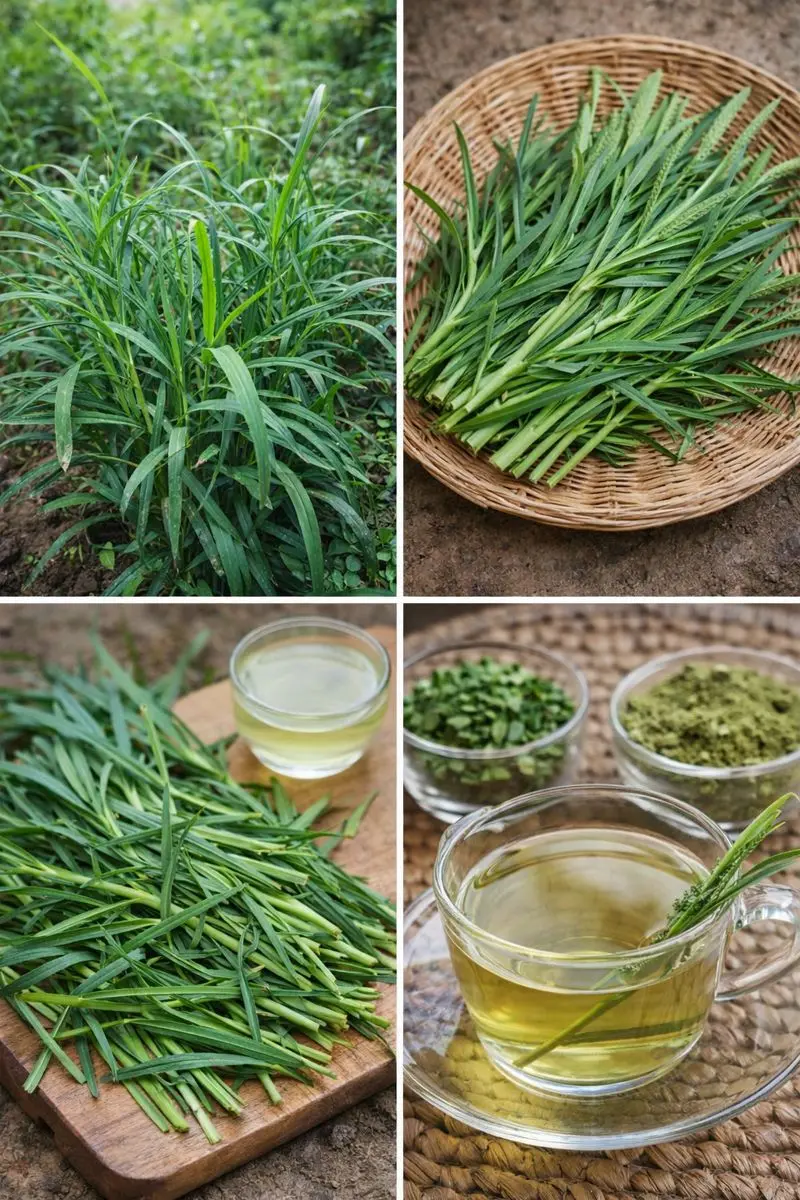
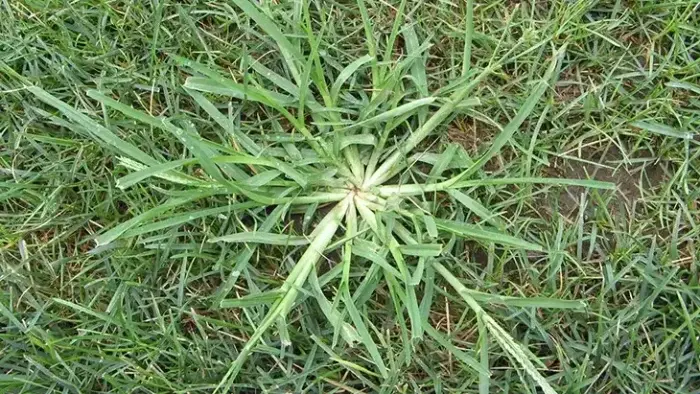
Goosegrass, also known by its scientific name Chenopodium album , is a plant often considered an invasive weed, found in gardens, fields, and wastelands. Yet this humble plant has been used in traditional medicine for centuries and has many health benefits. It is rich in nutrients, vitamins, and minerals and has interesting therapeutic properties. In this article, you will learn about the benefits of goosegrass and how it can be incorporated into a healthy lifestyle.
Description of goosegrass
Goosegrass is an annual plant found in many parts of the world, including Europe, Asia and North America. It grows in nitrogen-rich soils and can reach a height of up to 1.5 metres. Its light green leaves, which are slightly mealy to the touch, are serrated and pointed, while its greenish flowers form dense clusters.
Although it is often removed from gardens as a weed, it is actually a valuable plant due to its many food and medicinal uses.
The nutritional properties of goosegrass
Goosegrass is rich in essential vitamins and minerals, making it an excellent dietary supplement. Here are some of the nutrients it contains:
- Vitamin C: A powerful antioxidant that boosts the immune system, helps fight infections and protects cells from oxidative damage.
- Vitamin A: Essential for healthy eyes, skin and immune system.
- Calcium and magnesium: Important for healthy bones and teeth as well as proper muscle and nerve function.
- Iron: Necessary for the production of red blood cells and for the prevention of anemia.
- Proteins and fiber: They aid digestion, help with weight management and promote a healthy digestive system.
Due to its rich nutrient content, goosegrass was often consumed by ancient people in times of scarcity or, in some regions, as a daily food.
The Benefits of Goosegrass in Traditional Medicine
Goosegrass is also used in herbal medicine to treat various ailments. Its leaves, seeds and even roots have medicinal properties that help in relieving various ailments.
1. Digestive properties
Goosegrass has been used for centuries to improve digestion and relieve digestive discomforts such as bloating, flatulence and constipation. Thanks to its high fiber content, it facilitates intestinal transit and prevents constipation. In addition, it is known for its carminative properties, which means it helps expel intestinal gases and relieves stomach cramps.
2. Diuretic and detoxifying effect
Goosegrass has diuretic properties, making it an excellent choice for removing excess fluid and toxins from the body. By stimulating urine production, it helps cleanse the kidneys and prevent urinary tract infections. It is often used as a decoction or infusion to promote detoxification of the body and improve kidney function.
3. Antioxidants and anti-inflammatories
Goosegrass leaves are rich in antioxidants, including vitamin C and flavonoids, which help neutralize free radicals in the body. These compounds help reduce inflammation and protect cells from damage, making them an effective natural remedy for reducing chronic inflammation and protecting against degenerative diseases such as cancer and heart disease.
4. Support respiratory health
In traditional medicine, goosegrass is used to treat certain respiratory diseases. Its expectorant properties make it a useful remedy for coughs, bronchitis and inflammation of the respiratory tract. An infusion of its leaves can be used to soothe throat irritation and promote mucus elimination.
5. Natural pest control
Goosegrass also has antiparasitic properties. In some cultures, it is used to expel intestinal worms and treat parasitic infestations. The saponin seeds of goosegrass are particularly effective in eliminating internal parasites, especially in children.
6. Relief of muscle and joint pain
Because of its anti-inflammatory properties, goosegrass is sometimes used as a poultice to relieve muscle pain, joint pain, and skin inflammation. The crushed leaves can be applied directly to the skin to reduce swelling and relieve pain.
How to use goosegrass
Goosegrass can be consumed in many ways, either as food or as a medicine.
1st infusion
One of the easiest ways to use goosegrass is to prepare it as an infusion. Boil a tablespoon of dried leaves in a cup of water for about 10 minutes. Filter and drink this infusion once or twice a day to benefit from its digestive, diuretic and anti-inflammatory properties.
2nd cover
To relieve joint or muscle pain, grind fresh goosegrass leaves and apply directly to the affected area. Cover with a bandage and leave for several hours.
3. Food
Goosegrass is edible and can be added to your daily diet. Young leaves can be eaten raw in salads or cooked like spinach. They can also be used in soups or green smoothies to benefit from their nutrients. The seeds of goosegrass can be dried and ground into flour or added to cereals.
