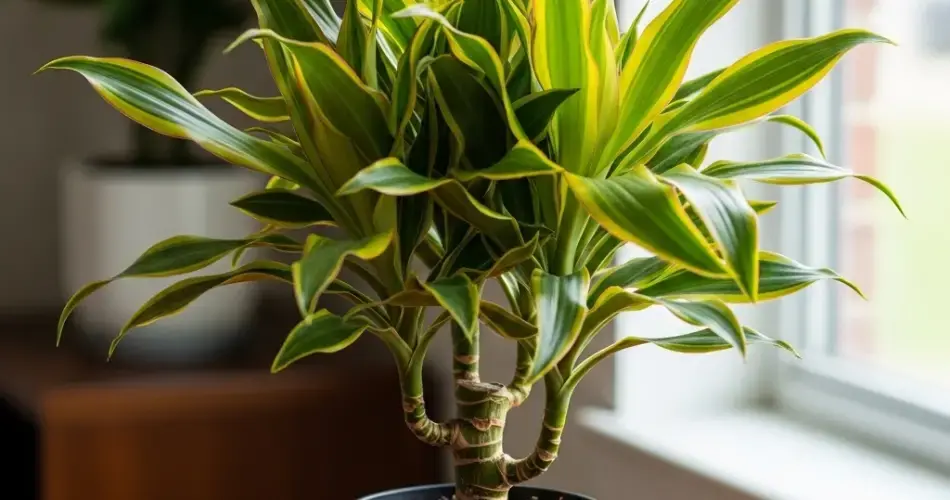
Tall indoor Dracaenas are popular houseplants appreciated for their upright growth, striking foliage, and low-maintenance care. Their architectural shape adds elegance to any room, from living spaces to office corners. While Dracaenas are relatively resilient, proper watering is crucial to maintain their health and appearance. Incorrect watering can lead to yellowing leaves, drooping stems, root rot, or stunted growth. By understanding their water requirements and implementing effective techniques, you can keep tall Dracaenas thriving year-round.
Understanding Dracaena Water Needs
Dracaenas originate from tropical and subtropical regions, where they grow under filtered sunlight in moderately moist, well-draining soil. Replicating these conditions indoors ensures optimal growth:
- Roots: Healthy roots need both moisture and oxygen. Overwatering can suffocate roots and promote rot, while underwatering stresses the plant, causing leaf tips to brown or curl.
- Leaves: Proper hydration supports tall, vibrant foliage. Inconsistent watering may result in drooping or yellow leaves.
- Growth: Even soil moisture encourages steady vertical growth and helps maintain the plant’s dramatic, architectural form.
Maintaining a balance between water and drainage is essential for sustaining tall, lush Dracaena leaves.
Choosing the Right Soil and Container
The choice of soil and container plays a significant role in watering success:
- Soil: Use a well-draining potting mix that retains some moisture without becoming waterlogged. A blend of peat moss, perlite, and compost works well. Avoid heavy or clay-rich soils, which can trap excess water.
- Container: Ensure pots have drainage holes to prevent standing water. For larger Dracaenas, choose a pot that supports the plant’s height while allowing proper root aeration.
Well-draining soil and an appropriate container create the foundation for consistent watering and healthy growth.
Effective Watering Techniques
Tall Dracaenas respond well to several watering strategies that maintain balanced moisture levels:
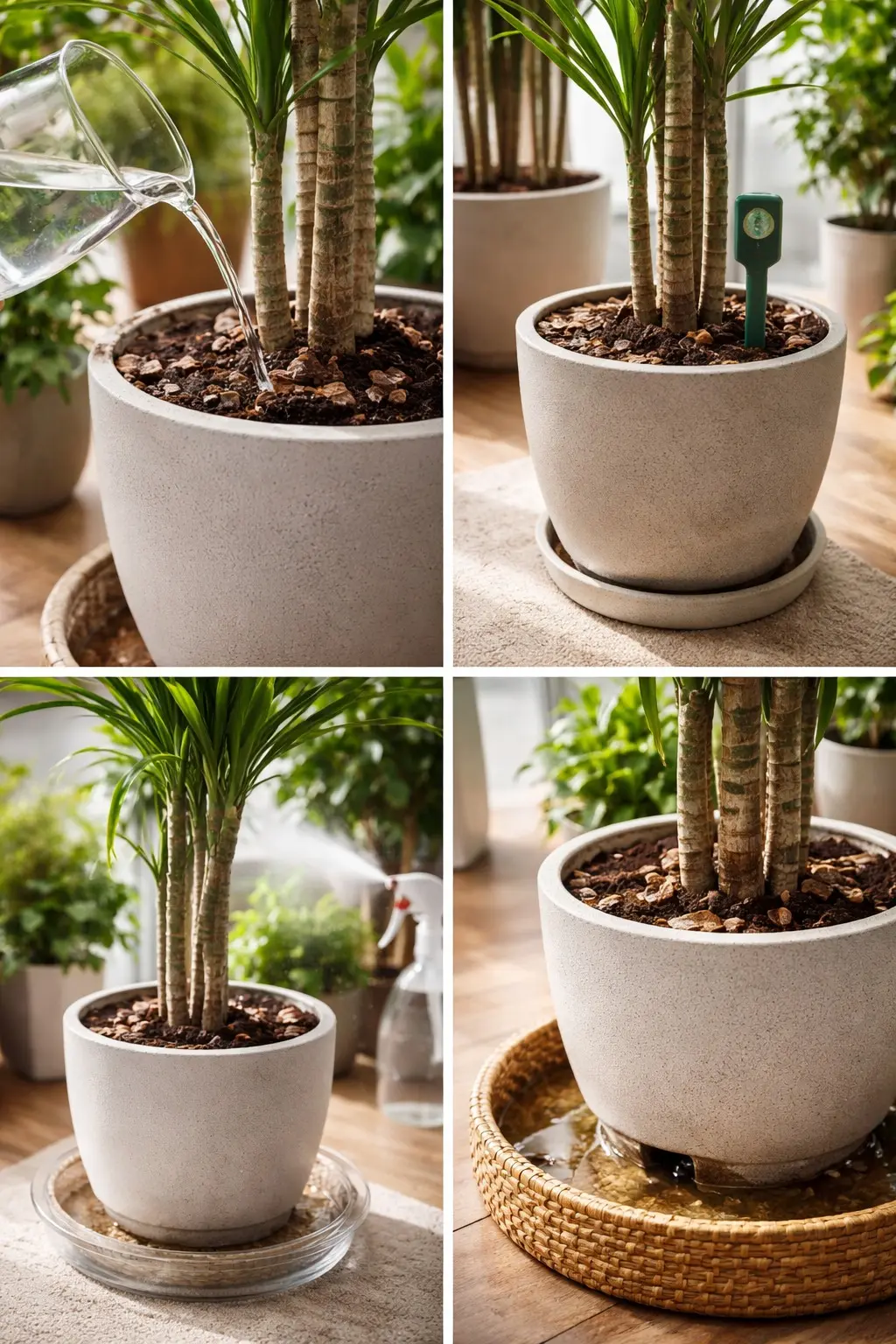
Top Watering
- Water evenly around the soil surface, avoiding wetting the leaves to prevent fungal issues.
- Pour water slowly to ensure it reaches the root zone, and allow excess to drain from the bottom.
- Use room-temperature water to avoid shocking the roots.
Bottom Watering
- Place the pot in a shallow tray of water for 15–30 minutes, allowing the soil to absorb moisture from below.
- Remove excess water after absorption to prevent oversaturation and root rot.
Self-Watering Containers
- Self-watering pots provide a steady supply of water through a built-in reservoir, which is especially useful for taller plants that require consistent moisture.
- Regularly check the soil to avoid overwatering and flush occasionally to remove salt buildup from fertilizers.
Monitoring Soil Moisture
- Check soil moisture by inserting a finger about one inch into the soil. Water when the top layer feels slightly dry.
- Adjust watering frequency according to seasonal changes, indoor temperature, and humidity. Dracaenas typically require more frequent watering during warm, bright periods and less during cooler, dormant months.
Signs of Improper Watering
- Overwatering: Yellowing leaves, mushy stems, or foul-smelling soil indicate excess water.
- Underwatering: Brown leaf tips, curling, or drooping signal insufficient moisture.
- Inconsistent watering: Alternating wet and dry periods stresses the plant, affecting leaf quality and growth rate.
Recognizing these signs allows for timely adjustments to prevent long-term damage.
Supporting Healthy Growth
Watering is most effective when combined with complementary care practices:
- Light: Place Dracaena in bright, indirect light to maintain healthy foliage. Avoid direct sunlight, which can scorch leaves.
- Humidity: Moderate humidity (40–60%) helps the plant retain moisture and prevents leaf tip browning. Use a humidity tray or group plants together if indoor air is dry.
- Fertilization: Apply a balanced, water-soluble fertilizer every 4–6 weeks during the growing season to encourage strong leaf and root development.
- Pruning: Remove yellow, damaged, or weak leaves to redirect energy toward new growth and maintain an upright appearance.
Combining proper watering with these practices ensures tall Dracaenas remain visually striking and healthy.
Seasonal Adjustments
Dracaena water requirements change throughout the year:
- Spring and summer: Warm temperatures and active growth necessitate more frequent watering.
- Fall and winter: Slower growth and cooler indoor conditions reduce water needs. Watering should be less frequent to prevent soil oversaturation.
Adjusting routines seasonally helps maintain balanced soil moisture and healthy foliage.
Final Thoughts
Proper watering is essential for maintaining tall, vibrant Dracaenas. Using well-draining soil, pots with drainage, and precise watering techniques ensures healthy roots, lush foliage, and steady vertical growth. Combined with adequate light, humidity, and fertilization, these practices support the plant’s natural beauty and resilience. By monitoring soil moisture and adjusting routines as needed, indoor gardeners can enjoy thriving Dracaenas that elevate any indoor space with their bold, architectural presence.
