
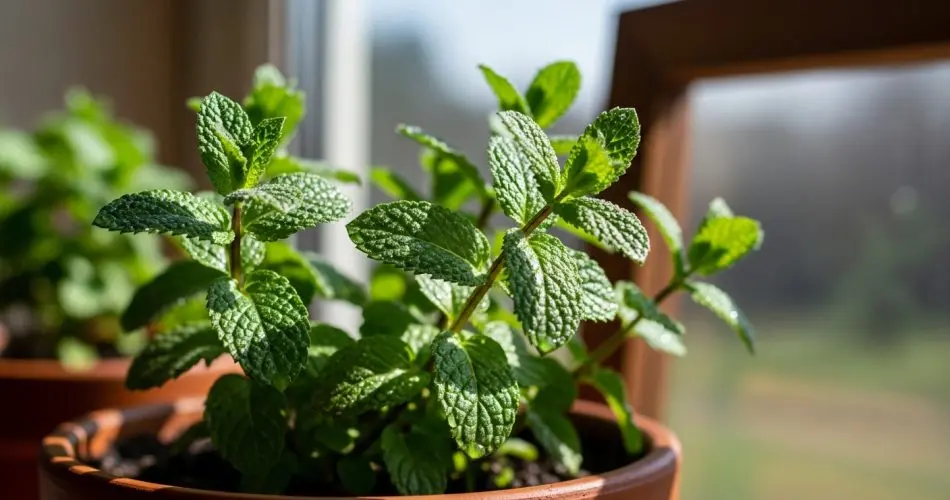
Mint is one of the most versatile and rewarding herbs to grow at home. Its fresh, aromatic leaves enhance teas, salads, desserts, and savory dishes, while also offering natural remedies for digestion, headaches, and stress. Many gardeners, however, struggle to grow mint consistently. The leaves can wilt, the plants may look weak, and sometimes the harvest is smaller than expected. The secret to thriving mint lies in the correct planting, care, and propagation methods. With a simple approach, you can grow huge quantities of lush, green mint all year round—without spending a dime on seeds or seedlings.
Why Mint Thrives at Home
Mint (Mentha species) is a hardy perennial herb known for its vigorous growth. It is highly adaptable to different growing conditions, making it ideal for both garden beds and containers. Mint spreads quickly through underground rhizomes, allowing one plant to multiply into many over time. This characteristic means that, with proper care, you can enjoy an abundant, renewable supply of fresh mint throughout the year.
Unlike some herbs that require precise conditions to thrive, mint is forgiving. It tolerates partial shade, moderate watering, and a variety of soil types. However, to achieve lush, green growth and avoid weak, wilted plants, certain best practices must be followed.
Selecting Healthy Mint Cuttings
Propagation is the fastest way to expand your mint garden. Start with healthy mint cuttings, which can be obtained from an existing plant or a friend’s garden. Look for vibrant, disease-free stems with at least three to four leaves. Avoid weak or yellowing stems, as these are less likely to root successfully.
For beginners, cuttings about 10–15 centimeters long work best. Trim just below a leaf node—the point where a leaf grows from the stem—as this is where roots are most likely to develop. Remove leaves from the lower half of the cutting to prevent rot and allow the plant to focus energy on root growth.
The Water Propagation Method
One of the simplest and most reliable ways to propagate mint is through water. This method is ideal for beginners and ensures rapid rooting:
- Place the Cuttings in Water: Fill a shallow glass or jar with water and position the cuttings so the stripped ends are submerged, while the leafy tips remain above water.
- Provide Indirect Sunlight: Position the jar in a bright area that receives indirect sunlight. Avoid placing the cuttings in harsh, direct sun, which can stress the plant.
- Change Water Regularly: Refresh the water every few days to prevent stagnation and ensure the cuttings receive enough oxygen.
Within a week or two, small white roots will emerge from the submerged nodes. Once the roots reach 2–3 centimeters in length, the cuttings are ready to be transplanted into soil.
Planting in Soil
For long-term growth, mint should be planted in well-draining, fertile soil. Containers or garden beds work equally well:
- Prepare the Soil: Enrich the soil with organic compost or well-rotted manure. Mint prefers slightly acidic to neutral soil with good moisture retention.
- Plant the Cuttings: Dig small holes and gently plant the rooted cuttings, covering the roots without burying the leafy tips. Space multiple plants 20–30 centimeters apart to allow room for spreading.
- Water Regularly: Keep the soil consistently moist but avoid waterlogging. Mint thrives with moderate water and appreciates slightly damp conditions.
Care for Lush, Green Mint
Maintaining healthy mint requires attention to sunlight, water, and nutrients:
- Sunlight: Mint grows best in partial to full sunlight. While it tolerates shade, too little light can lead to weak growth and pale leaves.
- Watering: Regular, moderate watering keeps the soil moist, especially during warm weather. Mint’s shallow roots require consistent moisture to thrive.
- Fertilization: Use organic compost or a balanced, slow-release fertilizer to promote vigorous leaf production. Excessive fertilization is unnecessary and can reduce flavor.
- Pruning: Regularly harvest and prune the stems. Cutting back the top leaves encourages bushy growth and prevents the plant from becoming leggy or flowering too early.
Preventing Common Problems
Mint is relatively low-maintenance, but some issues can arise:
- Wilting: Often caused by under-watering or excessive heat. Ensure the soil is consistently moist and consider providing partial shade during the hottest part of the day.
- Weak Growth: May result from overcrowding or poor soil nutrition. Space plants adequately and enrich soil with compost.
- Pests: Mint can attract aphids, spider mites, or leaf miners. Regularly inspect leaves and remove any affected parts. Organic sprays or insecticidal soap can manage infestations.
Harvesting Mint
One of the joys of growing mint is frequent harvesting. Begin by snipping the top leaves and stems once the plant reaches 10–15 centimeters in height. Regular harvesting encourages new growth, keeps the plant bushy, and prevents flowering, which can reduce leaf quality.
Mint can be harvested continuously throughout the growing season. For long-term supply, some stems can be left to root and spread, allowing the plant to multiply naturally.
Continuous, Year-Round Growth
By following this method, gardeners can enjoy a nearly endless supply of mint. With proper propagation, care, and harvesting practices, the plant will continue producing lush leaves for months or even years. Container-grown mint can also be moved indoors during colder months to maintain growth year-round.
Final Thoughts
Regrowing and maintaining mint at home is both practical and satisfying. With just a few cuttings and proper care, you can cultivate abundant, green mint without spending money on seeds or new plants. Whether you use it fresh in the kitchen, dry it for later use, or share it with friends, growing mint from cuttings ensures a sustainable, year-round supply of this aromatic, flavorful herb.
By investing a little time in propagation and maintenance, one plant can transform into a flourishing mint garden, giving you the pleasure of fresh leaves, beautiful greenery, and a continuous connection to the joys of home gardening.
