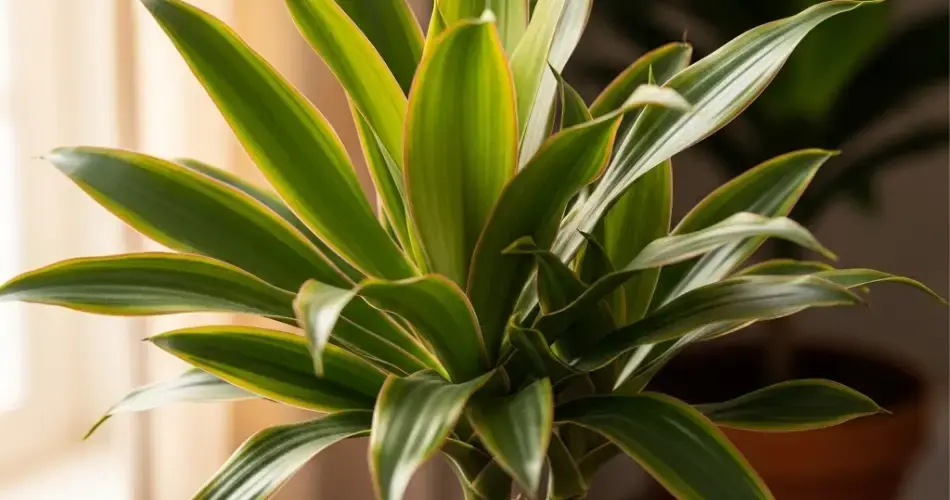
Dracaena plants are popular houseplants celebrated for their elegant foliage, striking stems, and low-maintenance nature. They come in a variety of types, such as Dracaena marginata, Dracaena fragrans, and Dracaena reflexa, each with unique leaf patterns and growth habits. While they are relatively easy to care for, gardeners often notice periods of slow growth or sparse foliage. Encouraging new growth in Dracaena requires attention to light, water, soil, pruning, and overall plant health. By understanding their needs and creating optimal growing conditions, you can keep your Dracaena thriving year-round.
Light Requirements for New Growth
Light is a key factor in stimulating new shoots and leaf production. Dracaenas prefer bright, indirect light but can tolerate moderate light conditions:
- Indoors: Place your plant near an east- or west-facing window where it receives filtered sunlight. Avoid harsh, direct afternoon sun, which can scorch leaves.
- Low-light tolerance: While Dracaenas can survive in low light, growth slows, and new leaves may emerge more sparsely.
- Rotating the plant: Turn the plant every few weeks to ensure even light exposure, which encourages symmetrical growth and prevents leaning.
Providing consistent, appropriate lighting helps the plant channel energy into producing healthy new leaves.
Watering and Soil Considerations
Proper watering and well-draining soil are crucial for Dracaena growth:
- Watering: Keep the soil evenly moist but not waterlogged. Allow the top inch of soil to dry out between waterings. Overwatering can cause root rot and leaf yellowing, while underwatering may lead to dry leaf tips and slow growth.
- Water quality: Dracaenas are sensitive to fluoride and chlorine in tap water, which can cause leaf tip burn. Using filtered or distilled water can prevent this issue.
- Soil: Use a lightweight, well-draining potting mix to promote healthy root development. A mixture of potting soil, perlite, and peat moss works well.
- Potting: Ensure the container has drainage holes to avoid water accumulation, which can harm roots and impede new growth.
Healthy roots are the foundation for vigorous shoots and new leaves.
Fertilization for Active Growth
Dracaena plants respond well to balanced feeding during the active growing season (spring and summer):
- Fertilizer type: Use a balanced, water-soluble fertilizer with equal parts nitrogen, phosphorus, and potassium.
- Frequency: Fertilize every 4–6 weeks during growth periods. Reduce feeding in fall and winter when growth slows.
- Application: Apply fertilizer to moist soil to prevent root burn and ensure even nutrient uptake.
Proper fertilization supports strong stems and encourages the development of new foliage.
Pruning and Encouraging Branching
Pruning can stimulate new growth and maintain an attractive shape:
- Trimming old stems: Remove yellowing or damaged leaves at the base. This redirects energy toward healthy shoots.
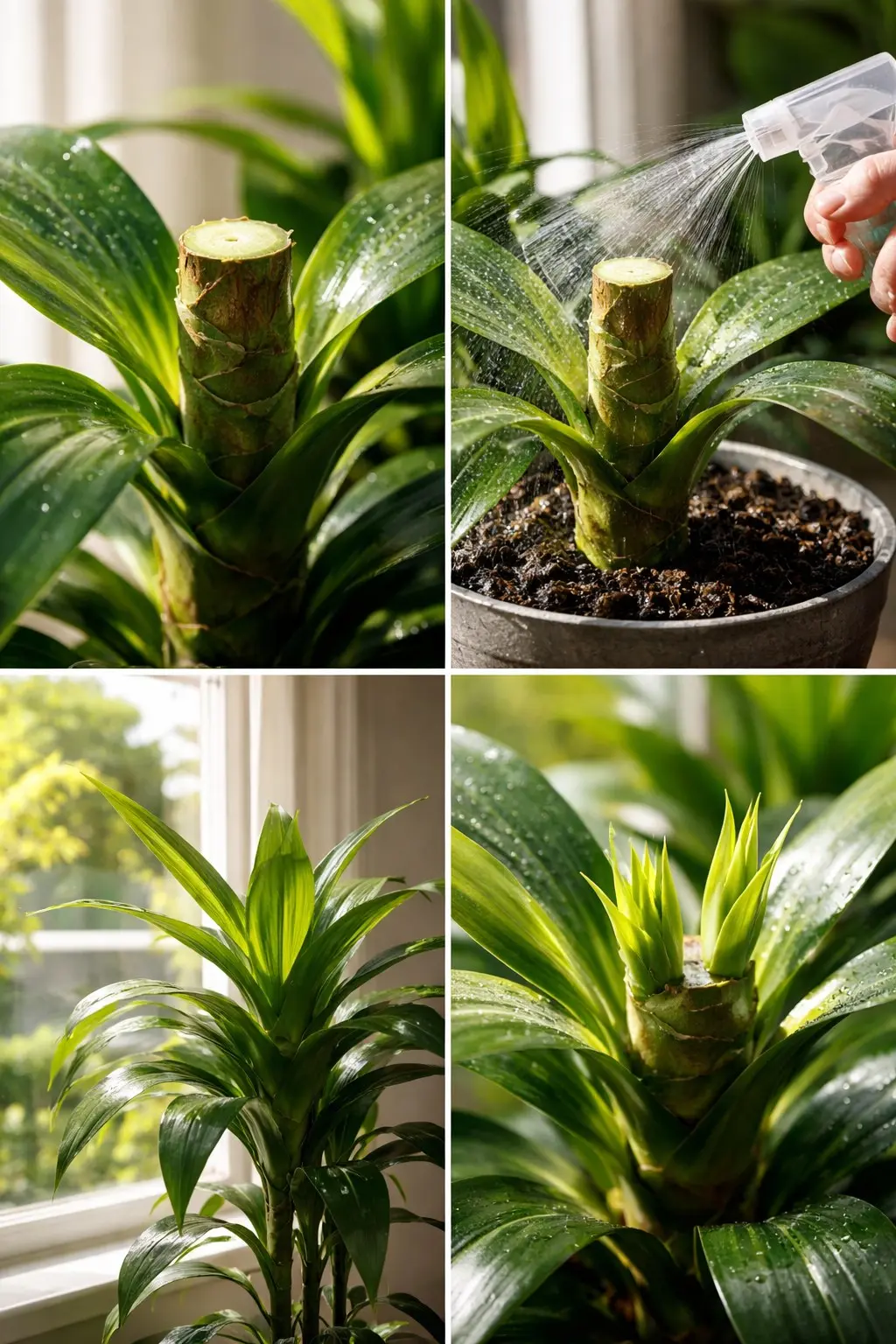
- Cutting back leggy growth: For taller Dracaenas, cutting the top stem can encourage lateral branching and fuller foliage.
- Propagation: Stem cuttings from healthy portions of the plant can grow into new Dracaena plants, multiplying your greenery while rejuvenating the original plant.
Pruning not only improves appearance but also signals the plant to invest energy in producing fresh leaves.
Environmental Factors
Several environmental conditions influence Dracaena growth:
- Temperature: Maintain indoor temperatures between 65–80°F (18–27°C). Avoid sudden cold drafts, which can stress the plant and slow growth.
- Humidity: Moderate humidity levels of 40–60% promote leaf development. Dry indoor air may result in brown leaf tips, so consider using a humidifier or misting the leaves occasionally.
- Air circulation: Good airflow reduces the risk of fungal diseases and supports healthy new shoots.
Providing a stable, comfortable environment allows your Dracaena to focus energy on growth rather than survival.
Common Growth Challenges
- Slow growth: Often caused by insufficient light, low temperatures, or nutrient deficiencies.
- Leaf drop or yellowing: Usually a result of overwatering or underwatering.
- Leggy stems: Can occur when light is uneven, encouraging the plant to stretch toward the nearest light source.
Addressing these issues promptly ensures continued vigor and encourages consistent new growth.
Conclusion
Encouraging new growth in Dracaena plants requires a combination of proper lighting, careful watering, well-draining soil, balanced fertilization, and strategic pruning. Attention to environmental factors such as temperature, humidity, and air circulation further enhances the plant’s ability to produce healthy, vibrant leaves.
By maintaining consistent care and observing your plant’s needs, you can enjoy a lush, thriving Dracaena that adds elegance and greenery to your indoor space year-round. With the right conditions, your Dracaena will reward you with steady new growth, creating fuller foliage and a more dynamic presence in your home or office.
