
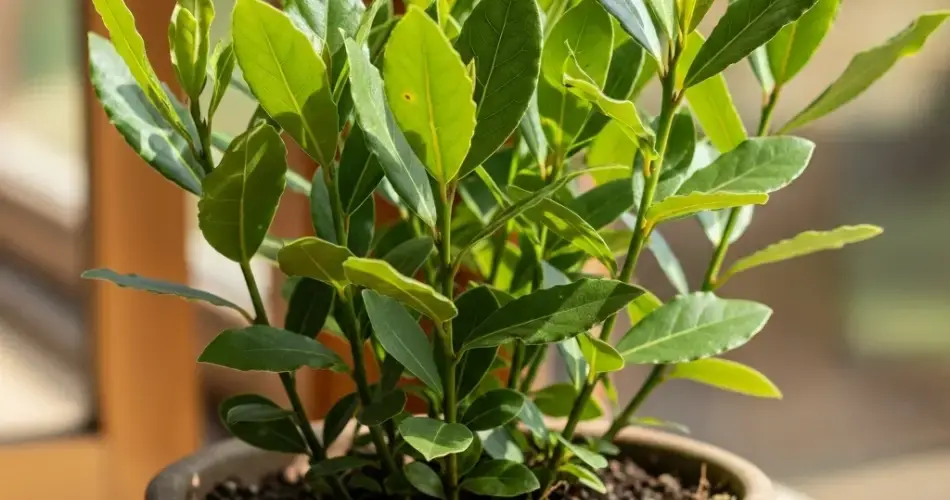
Bay leaf plants, also known as bay laurel (Laurus nobilis), are an aromatic and versatile herb prized for culinary use and ornamental appeal. Their glossy, deep green leaves are perfect for seasoning soups, stews, sauces, and braises, while the plant itself adds an elegant touch to patios, balconies, and container gardens. Growing bay laurel in decorative pots is an excellent way to enjoy fresh leaves year-round, even in limited outdoor spaces.
Container gardening offers several benefits for bay plants. It allows precise control over soil quality, drainage, and sunlight exposure. Pots also make it easier to protect plants from extreme temperatures, pests, and diseases. Decorative containers enhance the visual appeal of your outdoor space, combining aesthetics with functionality.
Choosing the Right Container
Selecting an appropriate pot is essential for healthy bay leaf plants.
Size and Depth
Bay trees develop deep root systems, so containers should be at least 12–15 inches in diameter and equally deep. Larger pots provide room for growth, reduce the frequency of repotting, and allow the plant to develop a robust root system.
Material
Plastic, ceramic, or terracotta containers all work well. Terracotta offers breathability and natural moisture regulation, while plastic pots are lightweight and easy to move. Choose a container that complements your patio or balcony décor.
Drainage
Proper drainage is critical to prevent waterlogging and root rot. Ensure the container has sufficient drainage holes, and consider adding a layer of gravel at the bottom for extra protection against excess water.
Ideal Soil for Bay Leaf Plants
Bay laurel thrives in well-draining, nutrient-rich soil. A high-quality potting mix combined with compost or organic matter provides optimal growing conditions.
Soil Tips
- Use a loose, fertile potting mix that allows roots to expand easily.
- Incorporate compost or organic matter to enhance fertility and retain moisture.
- Avoid heavy clay soils that can compact in pots and restrict root growth.
Well-prepared soil ensures healthy foliage, stronger plants, and aromatic leaves for culinary use.
Sunlight and Temperature Requirements
Bay laurel prefers full sun but can tolerate partial shade, making it well-suited for patio or balcony gardens. Adequate sunlight ensures vigorous growth, dark green leaves, and aromatic foliage.
Sunlight Tips
- Provide at least 6 hours of direct sunlight daily.
- If grown in partial shade, place the plant where it receives morning sun or dappled light.
Temperature Considerations
Bay plants are hardy in mild climates but can be sensitive to frost. Container gardening allows you to move plants indoors or to sheltered areas during cold weather, extending their growing season and protecting them from extreme temperatures.
Watering Bay Leaf Plants
Proper watering is essential for healthy bay laurel growth.
Watering Tips
- Water when the top 1–2 inches of soil feels dry to the touch.
- Avoid overwatering, as bay trees prefer slightly dry conditions between waterings.
- Ensure consistent moisture during hot weather to prevent stress, but never allow water to accumulate at the bottom of the pot.
Mulching the soil surface with organic material can help retain moisture and moderate soil temperature.
Fertilization and Maintenance
Bay leaf plants benefit from regular feeding and care.
Fertilization Tips
- Apply a balanced, slow-release fertilizer every 2–3 months during the growing season.
- Avoid excessive nitrogen, which may encourage leafy growth at the expense of overall plant health.
Maintenance Practices
- Prune occasionally to maintain the desired shape and size, and to remove dead or damaged branches.
- Regularly inspect for pests such as aphids, scale, or spider mites, and treat promptly if detected.
- Wipe leaves occasionally to remove dust and enhance photosynthesis.
Routine care ensures the bay laurel remains vigorous, attractive, and productive.
Harvesting Bay Leaves
Leaves can be harvested once the plant is well-established:
- Pick outer, mature leaves first, leaving inner growth intact to support continued growth.
- Freshly harvested leaves can be used immediately in cooking or dried for long-term storage.
- Regular harvesting encourages bushier growth and ensures a continuous supply of aromatic leaves.
Bay leaves can be stored in airtight containers or frozen for extended use.
Styling Your Patio Bay Plant
Bay laurel adds both culinary and visual appeal to container gardens:
- Use decorative pots that complement your outdoor space.
- Group multiple herb containers together for an attractive, functional patio garden.
- Label pots for easy identification and a tidy appearance.
Container-grown bay leaf plants can transform a patio or balcony into a fragrant, green oasis, combining practicality with elegance.
Final Thoughts
Growing bay leaf plants in decorative pots is a practical and rewarding way to enjoy fresh, aromatic leaves year-round. With the right container, nutrient-rich soil, proper sunlight, and consistent care, bay laurel thrives in limited spaces, providing both beauty and flavor.
Container gardening enables urban and small-space gardeners to cultivate robust, aromatic bay plants without traditional garden beds. Following simple planting, watering, and maintenance practices ensures your bay laurel remains healthy, productive, and ready to enhance culinary creations whenever needed.
