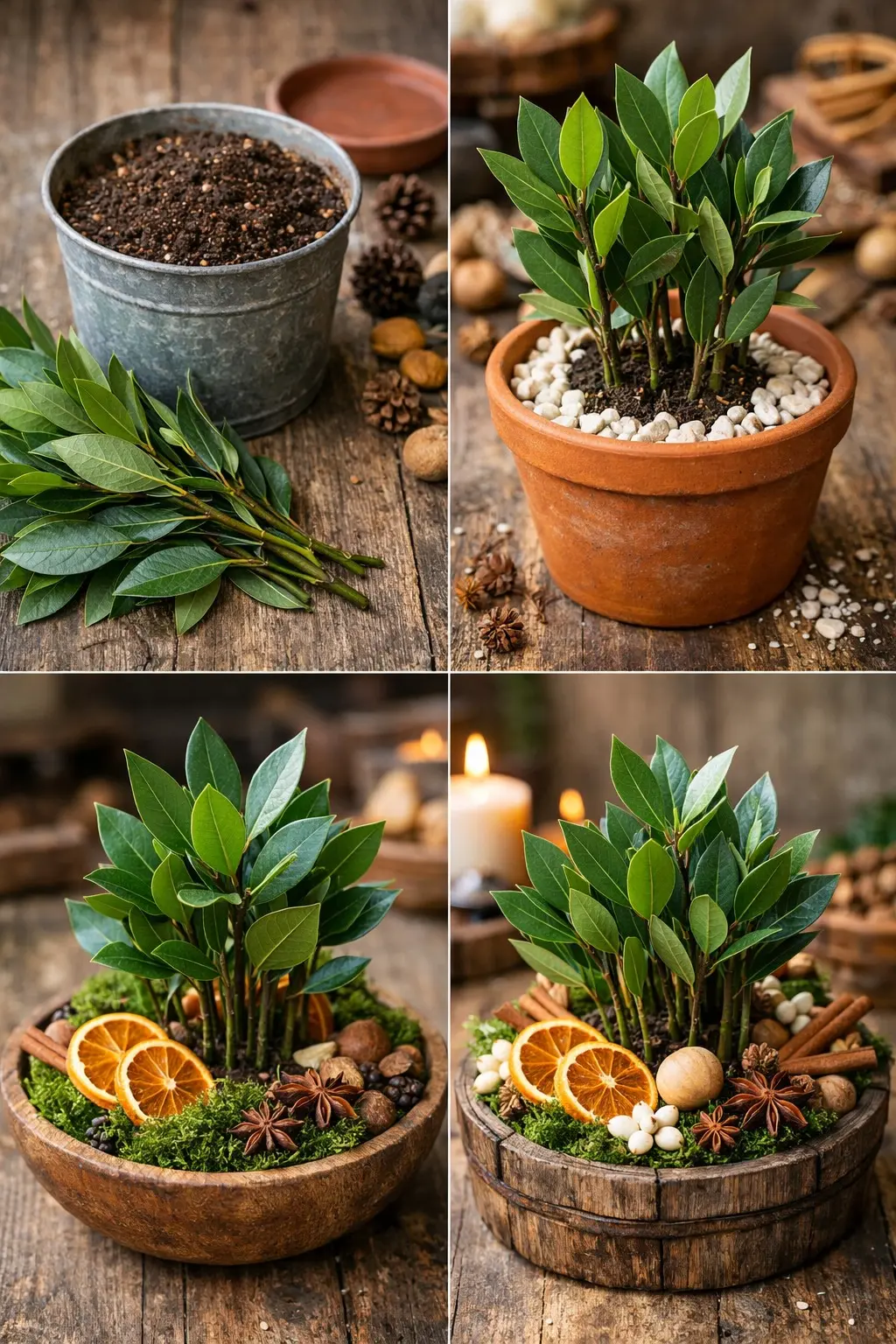
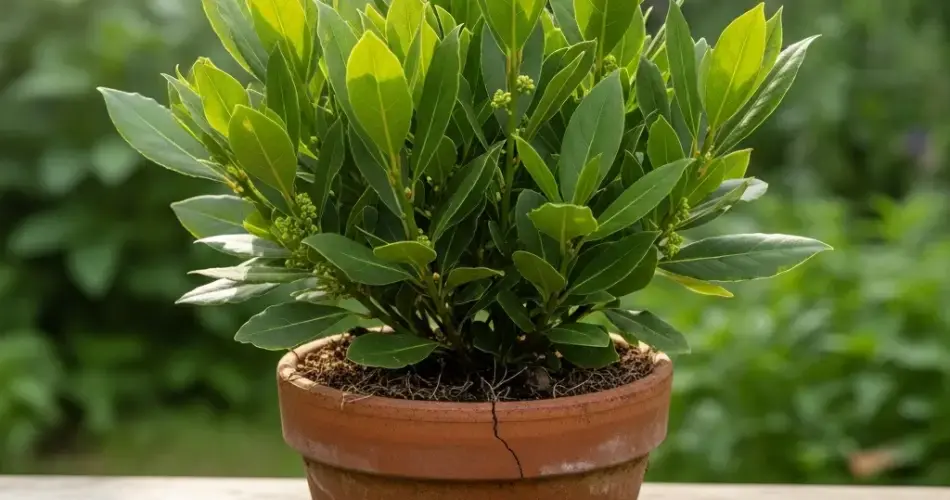
Bay, also known as bay laurel (Laurus nobilis), is a fragrant and versatile herb widely used in cooking, aromatherapy, and ornamental gardening. Its glossy, evergreen leaves add flavor to soups, stews, sauces, and marinades, while the plant’s elegant appearance enhances patios, balconies, and indoor spaces. Growing bay in containers is an ideal solution for gardeners with limited space or those wishing to keep this aromatic plant close at hand for culinary use.
Container cultivation provides control over soil quality, drainage, and sunlight, ensuring that bay remains healthy, lush, and vibrant year-round. With proper care, potted bay can thrive indoors or outdoors, offering both practicality and decorative appeal.
Choosing the Right Container
Bay laurel can grow into a substantial shrub or small tree in the ground, but container-grown plants remain manageable while still providing aromatic leaves. When selecting a container, choose a pot that is at least 30–40 cm (12–16 inches) in diameter and deep enough to accommodate a strong root system.
Drainage holes are essential to prevent waterlogging, which can cause root rot. Materials such as clay, ceramic, or sturdy plastic are suitable, with clay providing better airflow to the roots, while plastic containers are lightweight and easier to move. Consider using a container with a saucer to catch excess water and protect indoor surfaces.
Selecting and Preparing Soil
Bay laurel prefers well-draining, fertile soil. A high-quality potting mix enriched with compost or organic matter works well. Avoid dense garden soil, which can compact in containers and hinder root growth.
Aim for a slightly acidic to neutral soil pH between 6.0 and 7.0. Adding perlite or sand improves drainage and prevents water from accumulating around the roots. Proper soil preparation encourages strong root development and maintains healthy foliage.
Planting Bay in Containers
Bay laurel can be grown from seeds, cuttings, or nursery-bought young plants.
- From seedlings or nursery plants: Place the plant in the container, ensuring the root ball sits slightly below the rim. Fill around the roots with soil and firm gently to eliminate air pockets. Water thoroughly after planting.
- From cuttings: Take semi-hardwood cuttings in late spring or early summer, dip in rooting hormone, and plant in a well-draining potting mix. Keep the soil moist until roots develop.
Container-grown bay should be spaced to allow air circulation around the foliage, which helps prevent disease and supports overall plant health.
Watering and Humidity
Bay laurel prefers consistently moist soil without being waterlogged. Water thoroughly when the top 2–3 cm of soil feels dry. In hotter months or when grown indoors near heaters, plants may require more frequent watering.
Good drainage is critical to prevent root rot. If grown indoors, misting the leaves occasionally can maintain humidity and prevent leaf edges from browning. Avoid overwatering, as bay is sensitive to soggy soil.
Sunlight Requirements
Bay laurel thrives in full sun but tolerates partial shade. Ideally, container-grown bay should receive at least 6 hours of direct sunlight per day. For indoor cultivation, place the plant near a bright, south-facing window. Supplemental grow lights can also support healthy growth if natural sunlight is insufficient.
Adequate sunlight promotes dense foliage, strong aroma, and overall plant vitality. Insufficient light can lead to leggy growth and reduced fragrance.
Fertilizing Bay
Container-grown bay benefits from periodic fertilization, as nutrients in pots can become depleted over time. Use a balanced, slow-release fertilizer every 2–3 months during the growing season or apply a diluted liquid fertilizer every 4–6 weeks.
Organic options, such as compost or seaweed extract, can also support steady growth and maintain healthy, aromatic leaves. Avoid excessive nitrogen, which encourages overly rapid leaf growth at the expense of plant structure.
Pruning and Maintenance
Regular pruning helps maintain a compact, decorative shape and encourages bushier growth. Remove any dead, yellowing, or damaged leaves to promote air circulation and overall plant health.
Bay laurel responds well to shaping, making it suitable for topiaries or ornamental container displays. Minor trimming throughout the year keeps the plant attractive and manageable.
Harvesting Bay Leaves
Leaves can be harvested as needed for cooking. Pick mature leaves from the outer branches, leaving the inner foliage intact to support ongoing growth. Fresh leaves provide the strongest aroma, though bay can also be dried and stored for later use.
Frequent harvesting encourages the plant to produce new leaves and helps maintain a dense, bushy appearance.
Final Thoughts
Growing evergreen bay in containers is an excellent way to enjoy a fragrant, decorative, and culinary herb, even in limited spaces. By providing suitable soil, proper watering, sufficient sunlight, and regular pruning, container-grown bay can thrive year-round, offering both aesthetic appeal and flavorful leaves for your kitchen.
With consistent care, your potted bay laurel will remain a vibrant and aromatic addition to any balcony, patio, or indoor garden, combining beauty and practicality in one versatile plant.
