
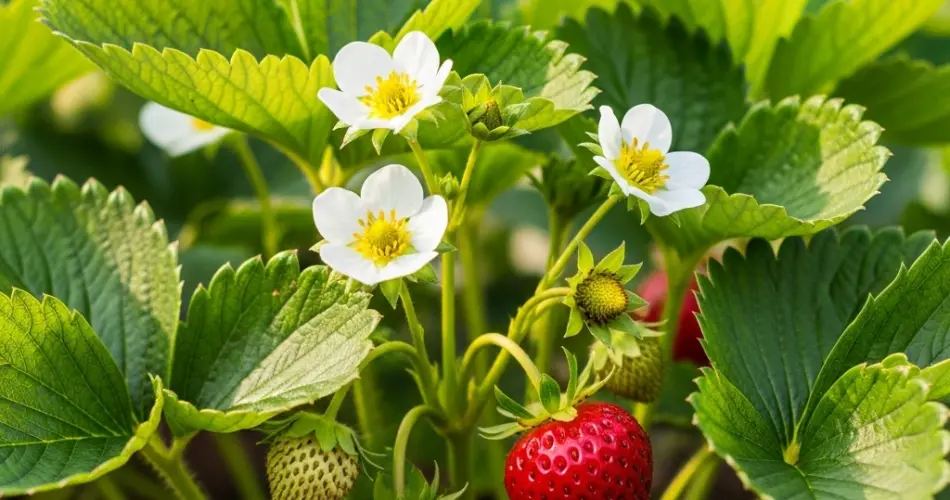
Growing strawberries at home is easier than you might think and can save you trips to the store while providing fresh, delicious fruit right from your garden, balcony, or windowsill. Strawberries, also known as frutillas in some regions, are ideal for home cultivation. They don’t require much space and reward you with sweet, juicy fruit season after season.
With the right care and a few basic tips, you can cultivate healthy strawberry plants and enjoy a steady harvest. This guide will show you how to plant, care for, and grow strawberries at home—from choosing the right variety to harvesting the fruits of your labor.
Why Grow Strawberries at Home?
Strawberries are among the most popular fruits to grow at home for several good reasons:
- Freshness: Homegrown strawberries are sweeter, juicier, and more flavorful than store-bought.
- Cost-effective: A single plant can yield multiple harvests over the years, making it a great investment.
- Space-saving: Strawberries grow well in containers, hanging baskets, or vertical planters.
- Fun for the family: Kids love helping with planting and picking fresh berries.
- Healthier option: You control how they’re grown, avoiding chemical pesticides or fertilizers.
Best Time to Plant Strawberries
The ideal time to plant strawberries is in early spring, after the risk of frost has passed. In warmer regions, they can also be planted in the fall for an earlier spring harvest.
Choosing the Right Strawberry Variety
There are three main types of strawberries:
- June-bearing: Produce one large crop in early summer. Ideal for larger harvests all at once.
- Everbearing: Yield two to three harvests per season—spring, summer, and fall.
- Day-neutral: Produce fruit continuously as long as conditions are favorable, from spring to frost.
For container gardening or limited space, everbearing and day-neutral varieties are best because of their longer and more flexible harvest season.
How to Plant Strawberries
Materials Needed:
- Healthy strawberry plants or runners
- A pot, container, or garden bed with good drainage
- Rich, well-draining soil or potting mix
- Compost or organic fertilizer
Steps:
- Prepare the soil: Use a nutrient-rich potting mix or amend garden soil with compost to improve fertility and drainage.
- Plant the strawberries: Make a small mound in the soil and place the strawberry crown (where leaves meet roots) just above the soil surface. Avoid burying the crown to prevent rot.
- Spacing: Leave about 10 to 12 inches (25 to 30 cm) between plants to allow room for spreading and air circulation.
- Watering: Water immediately after planting and keep the soil consistently moist, especially during the first few weeks.
If you’re planting in containers, ensure there are drainage holes to prevent water accumulation.
Caring for Your Strawberry Plants
Sunlight: Strawberries need at least 6–8 hours of sunlight per day. Choose a sunny spot on a patio, balcony, or windowsill.
Watering: Keep the soil evenly moist, but not soggy. Water the base of the plant to avoid fungal issues on the leaves.
Fertilizing: Feed plants with a balanced organic fertilizer every 4–6 weeks during the growing season to encourage flowering and fruiting.
Mulching: Apply a layer of straw or mulch around plants to retain moisture, suppress weeds, and protect the fruit from touching the soil.
Pruning: Remove runners (long stems that spread new plants) if you want to focus energy on fruit production rather than expansion.
Pest control: Watch for snails, aphids, and fungal infections. Neem oil or homemade garlic spray can help deter pests naturally.
Harvesting Your Strawberries
Strawberries are ready to harvest when they are fully red, firm, and sweet-smelling. Gently pull the fruit from the plant with the green cap attached to avoid damaging the stem.
Harvest every couple of days during peak fruiting time to encourage more production.
Tips for Maximum Yield
- Use vertical planters if space is limited; strawberries grow well in hanging baskets and towers.
- Rotate your plants or renew them every 3–4 years, as older plants produce fewer berries.
- Winter care: In colder climates, insulate your containers or bring them indoors to protect the roots during winter.
Final Thoughts
Growing strawberries at home is an enjoyable and fruitful gardening project that doesn’t require a lot of space or expertise. With just a bit of planning and regular care, you’ll soon be enjoying bowls of fresh, homegrown strawberries. Whether you enjoy them in smoothies, desserts, or fresh from the plant, strawberries grown at home are always more satisfying.
Start planting today and say goodbye to buying strawberries at the store. Your homegrown harvest will be more delicious, more rewarding, and always within arm’s reach.
