
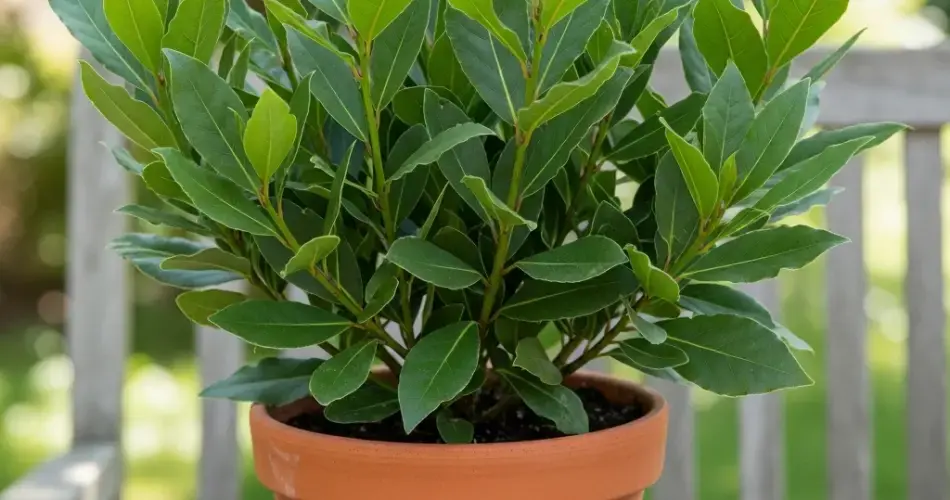
Bay laurel (Laurus nobilis) is a timeless herb cherished for its aromatic leaves and classic Mediterranean appeal. Its dark green, glossy foliage adds elegance to any outdoor space, while the leaves themselves are a staple in countless culinary dishes, from soups and stews to sauces and braises. Container gardening with bay laurel allows gardeners to cultivate this versatile plant year-round, making it a perfect choice for patios, balconies, or small outdoor spaces.
Growing bay laurel in containers offers multiple advantages. Pots provide greater control over soil quality, water management, and sunlight exposure. They also allow for easy mobility, enabling gardeners to protect plants from frost or relocate them to maximize sun exposure. Decorative containers can enhance the visual appeal of patios or balconies, transforming functional herb plants into living design elements.
Choosing the Right Container
Selecting an appropriate pot is crucial for healthy bay laurel growth.
Size and Depth
Bay laurel develops a deep, extensive root system, so containers should be at least 12–15 inches in diameter and depth. Larger containers accommodate the plant’s roots, reduce the frequency of repotting, and allow for a full, healthy canopy.
Material
Plastic, terracotta, and ceramic pots all work well. Terracotta offers breathability and natural moisture regulation, while plastic is lightweight and easier to move. Choose a container that fits your space, style preferences, and gardening needs.
Drainage
Good drainage is essential to prevent waterlogging and root rot. Ensure the container has ample drainage holes. Adding a layer of gravel or small stones at the bottom can further protect roots from excess moisture.
Soil Requirements for Bay Laurel
Bay laurel thrives in well-draining, nutrient-rich soil. Using a high-quality potting mix enriched with compost or organic matter ensures vigorous growth.
Soil Tips
- Select a light, fertile potting mix that allows roots to expand easily.
- Incorporate organic compost or aged manure to improve fertility and retain moisture.
- Avoid heavy or compacted soils that may restrict root development.
Well-prepared soil supports robust foliage, strong stems, and aromatic leaves for culinary use.
Sunlight and Temperature
Bay laurel grows best in full sun but tolerates light partial shade. Adequate sunlight promotes dark green leaves, strong stems, and a more intense aroma in the foliage.
Sunlight Tips
- Provide at least 6 hours of direct sunlight daily.
- In partially shaded areas, ensure the plant receives morning sun or filtered light to maintain healthy growth.
Temperature Considerations
Bay laurel is hardy in mild climates but sensitive to frost. Container gardening allows for relocation during cold weather, ensuring the plant remains healthy and continues to thrive throughout the year.
Watering Bay Laurel
Proper watering is essential for container-grown bay plants.
Watering Tips
- Check the top 1–2 inches of soil; water when it feels dry.
- Maintain slightly moist soil but avoid waterlogging, as bay laurel prefers moderately dry conditions between watering.
- During hot periods, monitor soil moisture more frequently, since containers can dry out faster than garden beds.
Mulching the soil surface helps retain moisture, reduce evaporation, and keep the root system cool.
Fertilization and Care
Bay laurel benefits from periodic feeding and routine maintenance to ensure longevity and productivity.
Fertilization Tips
- Apply a balanced, slow-release fertilizer every 2–3 months during the growing season.
- Avoid excessive nitrogen, which can cause lush foliage at the expense of overall plant strength.
Maintenance Practices
- Prune occasionally to maintain shape, remove dead or damaged branches, and encourage bushier growth.
- Inspect leaves regularly for pests such as aphids, scale, or spider mites, and treat promptly if needed.
- Wipe leaves to remove dust, improving photosynthesis and keeping foliage vibrant.
Harvesting Bay Leaves
Leaves can be harvested once the plant is established:
- Select mature outer leaves, leaving inner growth to continue developing.
- Fresh leaves can be used immediately in cooking or dried for long-term storage.
- Regular harvesting encourages denser foliage and prolongs plant productivity.
Bay leaves can be stored in airtight containers or frozen to retain flavor and aroma.
Styling Your Mediterranean Container Garden
Bay laurel adds elegance and fragrance to container gardens:
- Use decorative pots to create a Mediterranean ambiance on patios or balconies.
- Combine multiple herb containers for a lush, aromatic herb display.
- Label containers for organization and aesthetic appeal.
Container-grown bay laurel enhances both visual and functional aspects of any garden space.
Final Thoughts
Container gardening with bay laurel is a rewarding and practical way to enjoy fresh, aromatic leaves and a touch of Mediterranean elegance year-round. By choosing the right container, preparing nutrient-rich soil, providing adequate sunlight, and maintaining proper watering and care, bay laurel thrives in small outdoor spaces.
Urban gardeners and patio growers can cultivate this versatile herb without traditional garden beds, combining beauty, fragrance, and culinary value in a single container. With consistent care and attention, bay laurel plants can flourish, enriching meals and enhancing the aesthetic of your patio or balcony.
