
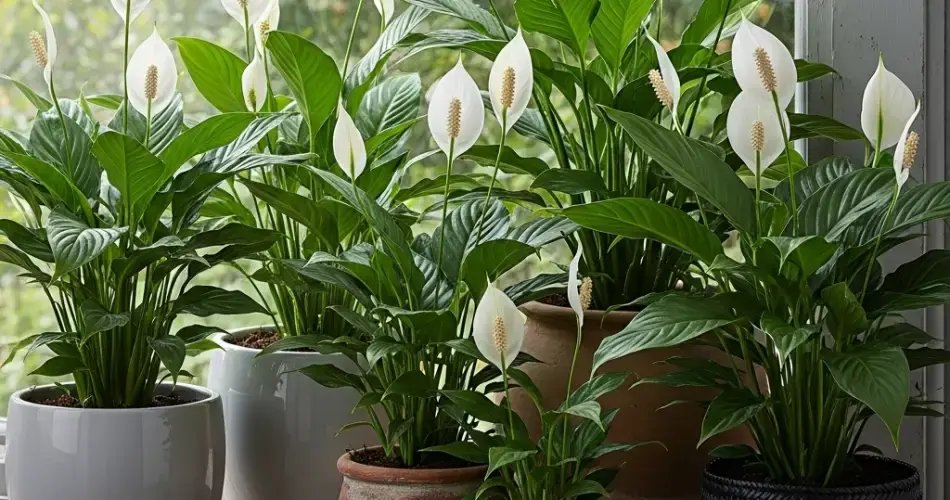
The peace lily (Spathiphyllum) is a classic indoor plant admired for its elegant white blooms, glossy green leaves, and ability to purify indoor air. While it’s considered low-maintenance, proper moisture control is the key to ensuring long-term health and consistent flowering. Peace lilies are sensitive to both underwatering and overwatering, so mastering the right watering techniques is essential for success.
This guide covers the essentials of managing moisture for peace lilies—from watering frequency to soil choice, humidity management, and troubleshooting common water-related problems.
Understanding Peace Lily’s Moisture Needs
Peace lilies originate from tropical rainforests, where they grow in consistently moist but well-drained soil under the canopy of taller plants. In the home, this means they prefer evenly damp soil without becoming soggy. Their roots need moisture to thrive, but they also require air circulation to prevent rot.
Too much water suffocates the roots, while too little can cause wilting and stress. A well-balanced approach keeps the plant hydrated without drowning it.
The Right Watering Routine
One of the simplest ways to avoid mistakes is to check the soil before watering. Insert your finger about an inch into the soil—if it feels dry, it’s time to water. If it still feels damp, wait a day or two before checking again.
Peace lilies are known for giving a visual “warning” when they’re thirsty—their leaves droop noticeably. While this can serve as a helpful reminder, it’s best not to let the plant reach this stage too often, as repeated wilting can weaken it over time.
When watering, pour slowly until water begins to drain from the bottom of the pot. Discard any water collected in the saucer after 10–15 minutes to avoid stagnant moisture that can lead to root problems.
Choosing the Right Water
Tap water with high levels of chlorine, fluoride, or other chemicals can cause brown leaf tips over time. If this happens, switch to filtered, distilled, or rainwater. Room-temperature water is best, as very cold water can shock the roots.
Soil Selection for Moisture Balance
The soil you choose has a major impact on how moisture is retained and released. For peace lilies, a light, well-draining potting mix is ideal. A good blend might include:
- Standard indoor potting soil for nutrients
- Peat moss or coco coir to retain moisture
- Perlite or coarse sand for drainage
This combination ensures the roots get consistent moisture without sitting in water. Avoid heavy garden soil, which can compact and trap too much moisture.
Importance of Drainage
Even with perfect watering habits, poor drainage can ruin a peace lily. Always use a container with drainage holes to let excess water escape. If you prefer a decorative pot without holes, use it as an outer cover and keep the plant in a smaller, well-draining pot inside.
Managing Indoor Humidity
Peace lilies thrive in humidity levels of 50% or higher. If your home’s air is too dry—especially in winter—this can lead to crispy leaf edges despite proper watering. To boost humidity, you can:
- Place the plant on a pebble tray filled with water (ensuring the pot isn’t sitting directly in the water)
- Mist the leaves lightly in the morning
- Group peace lilies with other plants to create a more humid microclimate
- Use a small humidifier in the same room
Seasonal Adjustments
Moisture needs change with the seasons. During the warmer months, the plant may need watering every few days, especially in brighter conditions. In cooler months or low-light environments, water less frequently, as evaporation slows and the plant’s growth rate decreases.
Always rely on soil checks rather than a strict calendar schedule to avoid overwatering during slow growth periods.
Signs of Moisture Problems
Overwatering Symptoms:
- Yellowing leaves starting from the lower portion
- Mushy stems or foul-smelling soil
- Persistent wetness in the soil
Underwatering Symptoms:
- Drooping leaves that perk up after watering
- Dry, pulling-away soil edges inside the pot
- Brown, crispy leaf tips and edges
Address these issues quickly—overwatered plants may require repotting into fresh, dry soil, while underwatered plants simply need a thorough soak and more consistent care.
Advanced Moisture Control Tip: Self-Watering Systems
For those who struggle with consistent watering, a self-watering pot can help maintain steady moisture levels. These systems allow the plant to absorb water from a reservoir as needed, reducing the risk of both over- and underwatering. However, regular checks are still important to ensure the water supply is fresh and the roots aren’t sitting in stagnant water.
Final Thoughts
Keeping a peace lily healthy comes down to understanding and balancing its moisture needs. By using the right watering technique, choosing suitable soil, ensuring good drainage, and maintaining appropriate humidity, you can create an environment where your plant not only survives but thrives.
With consistent care, your peace lily will reward you with lush foliage and elegant blooms, bringing a touch of tropical beauty to your indoor space year-round.
