
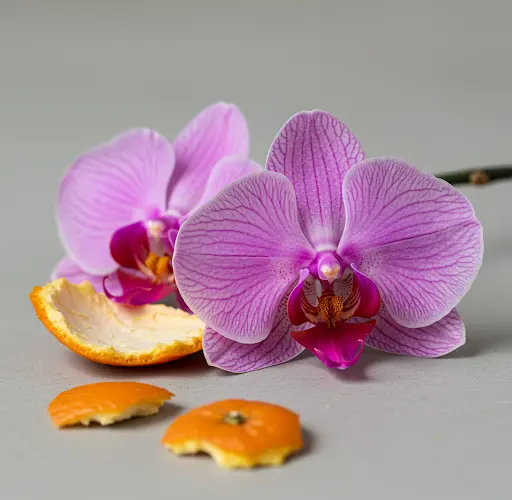
Growing orchids at home can be incredibly rewarding, especially when they reward you with strong roots, vibrant leaves, and beautiful blooms. While many commercial fertilizers are available, natural alternatives can be just as effective when prepared and used correctly. One simple and affordable method involves using tangerine or orange peels combined with rice to create a gentle organic fertilizer that supports healthy orchid growth.
This homemade solution helps orchids absorb nutrients more efficiently, encourages root development, and may even help deter certain pests. When applied properly and in moderation, it can become a valuable part of your orchid care routine.
Why Use Tangerine or Orange Peels?
Tangerine and orange peels are often discarded, especially during holiday seasons when citrus fruits are abundant. However, these peels contain beneficial compounds that can support plant health. They are rich in vitamin C, potassium, antioxidants, and natural acids. The essential oils found in citrus peels may also help discourage certain insects.
In addition, citrus peels have mild antiseptic properties, which can help maintain a cleaner growing environment when used properly. However, before using them, it is important to remove any wax or pesticide residue that may be present on the fruit’s surface.
Preparing the Tangerine Peels Safely
Many store-bought mandarins and oranges are coated with wax and may contain traces of pesticides. To avoid introducing unwanted chemicals into your fertilizer, proper cleaning is essential.
Start by preparing a simple baking soda solution. Add baking soda to warm water and soak the fruits for about 3–5 minutes. Baking soda helps remove surface dirt, microbes, and some pesticide residues. After soaking, rinse the fruits thoroughly with clean water.
Once cleaned, peel the fruit and set the peels aside for fertilizer preparation.
Making the Citrus and Rice Fertilizer
To prepare the fertilizer, you will need:
- Peels from 1–2 tangerines or oranges
- 500 milliliters of warm water
- 3 teaspoons of rice
Finely chop the citrus peels into small pieces using scissors or a knife. Place the chopped peels into a container and pour 500 milliliters of warm water over them.
Next, add three teaspoons of rice. Rice contains small amounts of B vitamins, carbohydrates, silicon, phosphorus, magnesium, iron, and potassium, all of which can contribute to plant nourishment.
Cover the container and let the mixture sit in a warm, dark place for about 12 hours. During this time, nutrients from the citrus peels and rice will infuse into the water.
After 12 hours, strain the mixture carefully to remove all solid particles. This step is important because leftover organic matter can decompose and cause rot if applied directly to orchids.
Finally, dilute the strained liquid with approximately 2 liters of clean water. The fertilizer is now ready for use.
Proper dilution is crucial. Orchids are sensitive plants, and overly concentrated organic solutions can damage roots or alter the growing medium’s balance.
Application Methods
There are several ways to apply this natural fertilizer effectively.
Method 1: Wiping the Leaves
Dip a cotton ball or soft cloth into the diluted solution and gently wipe both the top and underside of the leaves. Perform this process once or twice a month.
This method removes dust and surface buildup, helping leaves photosynthesize more efficiently. Clean leaves absorb light better, which improves the plant’s overall vitality. Additionally, wiping the undersides of leaves helps remove potential hiding spots for pests and fungal spores.
After wiping, the leaves often appear brighter and shinier due to improved cleanliness and hydration.
Method 2: Spraying Leaves and Roots
Pour the diluted fertilizer into a spray bottle and lightly mist the leaves and exposed roots. Apply this treatment every two weeks during active growth periods.
Avoid spraying directly into the crown of the orchid, as standing water in that area can lead to crown rot. A fine mist is sufficient.
This method allows nutrients to be absorbed through both leaves and roots, providing gentle support without overwhelming the plant.
Method 3: Watering the Roots
You can also use the solution to water the orchid’s growing medium directly. Apply the diluted fertilizer to the roots once or twice a month, allowing excess liquid to drain completely from the pot.
This encourages new root growth and helps maintain a moist—but not waterlogged—environment.
Knowing When to Water
For beginners, one of the most reliable ways to determine when to water orchids is by observing the roots. Healthy roots appear green when hydrated and silvery-white when dry. When the roots turn pale and silvery, it is usually time to water.
Natural fertilizers like this citrus-rice solution should be used about once a month to avoid overfeeding.
If growing orchids indoors, placing a saucer under the pot helps catch excess water while preventing roots from sitting in standing moisture.
Expected Results
After two or three applications, you may notice stronger root growth and firmer, greener leaves. However, fertilizer alone is not enough. Orchids require bright, indirect light to thrive. Without proper lighting, even the best fertilizer will not produce optimal results.
Final Thoughts
Using tangerine or orange peels combined with rice is a cost-effective and eco-friendly way to support orchid health. By cleaning the peels properly, diluting the solution carefully, and applying it moderately, you can create a gentle natural fertilizer that promotes healthy roots and vibrant growth.
With balanced watering, proper light, and consistent care, your orchids can remain lush, strong, and beautifully blooming throughout the year.
