
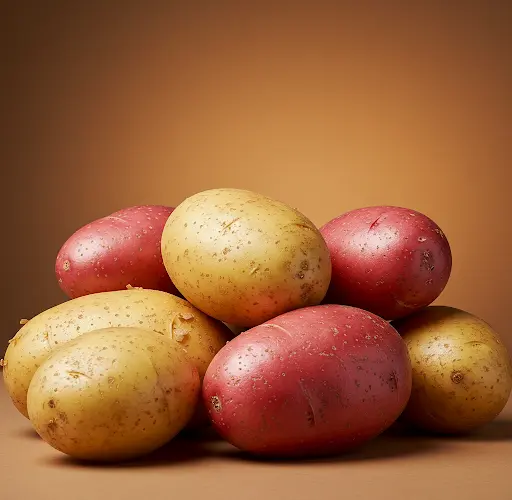
Potatoes are a staple food in many households, offering versatility and nutrition. However, one common problem with storing potatoes is their tendency to sprout over time. When potatoes sprout, they can become less appealing and may even develop toxic compounds like solanine, which can cause digestive discomfort if consumed in large amounts. Fortunately, there are various methods to prevent potatoes from sprouting, extending their shelf life while maintaining their quality.
Understanding Why Potatoes Sprout
Potatoes sprout due to a natural growth cycle triggered by warmth, moisture, and exposure to light. When stored under improper conditions, potatoes begin to develop shoots as they prepare for a new growing season. The following factors contribute to sprouting:
- Temperature: Potatoes sprout faster when stored at temperatures above 10°C (50°F).
- Humidity: High humidity encourages sprouting, but excessive dryness can cause shriveling.
- Light Exposure: Light exposure prompts chlorophyll production, causing potatoes to turn green and become more likely to sprout.
- Ethylene Gas: Fruits like apples and bananas release ethylene gas, which accelerates the sprouting process.
Best Practices for Storing Potatoes
To prevent sprouting, it is essential to store potatoes in the right environment. Below are the most effective storage practices:
1. Keep Them in a Cool, Dark, and Well-Ventilated Place
Potatoes should be stored at a temperature between 4°C and 7°C (40°F to 45°F). A cool basement, root cellar, or pantry is ideal. Avoid refrigerating raw potatoes, as temperatures below 4°C (39°F) convert starches into sugars, affecting flavor and texture.
2. Use Proper Containers
Avoid storing potatoes in airtight plastic bags, as these trap moisture and speed up sprouting. Instead, use:
- Paper bags
- Mesh bags
- Cardboard boxes with ventilation holes
- Cloth or burlap sacks
These allow for air circulation, which prevents moisture buildup and slows down the sprouting process.
3. Separate Potatoes from Other Produce
Potatoes should not be stored near fruits such as apples, bananas, or onions. These release ethylene gas, which accelerates sprouting. Instead, store potatoes in a dedicated space away from ethylene-producing produce.
Natural Methods to Prevent Sprouting
In addition to proper storage, you can use natural methods to further delay sprouting:
1. Store with Natural Sprout Inhibitors
Certain natural substances help slow down the sprouting process:
- Garlic Cloves: Placing a few cloves of garlic in the storage area releases sulfur compounds that prevent sprouting.
- Onion Skins: Onion peels can also help absorb excess moisture and slow down sprouting.
- Bay Leaves: Scattering a few bay leaves among the potatoes acts as a natural anti-sprouting agent.
- Sprinkle Wood Ash: Lightly dusting potatoes with wood ash can help reduce moisture and prevent sprouting.
2. Check and Rotate Stock Regularly
Inspect potatoes regularly and remove any that show signs of sprouting, rot, or mold. If one potato starts to spoil, it can affect others in close proximity. Use the “first in, first out” method to ensure older potatoes are consumed first.
3. Keep Potatoes Dry
Moisture encourages sprouting and decay. Before storing, allow freshly harvested potatoes to cure for about two weeks in a dry, well-ventilated area. This process toughens the skin, making them less prone to sprouting and rot.
Alternative Preservation Methods
If you have excess potatoes that you won’t use before they start sprouting, consider alternative preservation methods:
1. Freezing
Raw potatoes don’t freeze well, but you can blanch, mash, or turn them into fries before freezing. To blanch:
- Peel and cut potatoes into pieces.
- Boil for 3-5 minutes.
- Drain, cool, and freeze in airtight containers.
2. Dehydrating
Dehydrated potatoes last longer and can be rehydrated for soups or stews. To dehydrate:
- Slice potatoes thinly.
- Blanch in boiling water for 3-5 minutes.
- Dry in a food dehydrator or oven at 57°C (135°F) until completely dry.
3. Canning
Pressure canning is an excellent way to store potatoes long-term. To can potatoes:
- Peel and cube potatoes.
- Boil for 2 minutes.
- Pack into sterilized jars with boiling water.
- Process in a pressure canner according to safety guidelines.
Conclusion
Preventing potatoes from sprouting is simple with the right storage conditions and natural methods. By keeping them cool, dry, and in a well-ventilated area, you can extend their shelf life. Natural sprout inhibitors such as garlic, bay leaves, and onion skins can further help, while regular inspections prevent spoilage. If you find yourself with an abundance of potatoes, consider freezing, dehydrating, or canning them for future use. By following these best practices, you can enjoy fresh, non-sprouted potatoes for months.
