
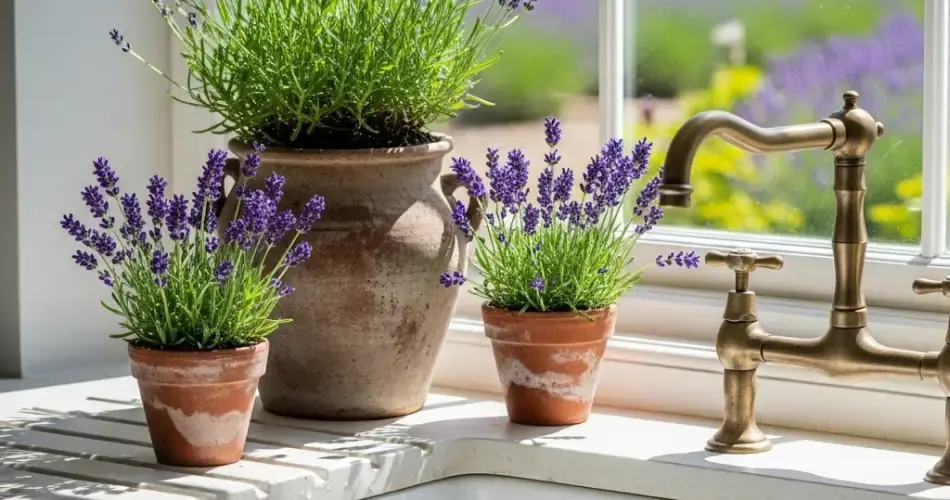
Lavender is a timeless herb renowned not only for its delicate purple flowers but also for its soothing fragrance and versatile culinary uses. Having lavender growing in your kitchen combines aesthetics, aromatherapy, and functionality in one compact plant. Whether placed on a sunny windowsill or a small countertop, lavender adds a splash of color and a calming scent to your home while providing fresh herbs for cooking and baking. This guide covers everything you need to know about growing lavender indoors in your kitchen, from selecting the right variety to caring tips that keep your plant healthy and thriving.
Why Grow Lavender in the Kitchen?
Growing lavender indoors offers multiple benefits:
- Visual Appeal: Lavender’s soft purple blooms and silvery-green foliage brighten any kitchen space.
- Aromatic Ambiance: The calming scent of lavender can create a peaceful, relaxing environment while you cook.
- Culinary Uses: Fresh lavender can be used to flavor desserts, teas, and savory dishes.
- Compact Growth: Lavender varieties suitable for containers thrive indoors, even in limited spaces.
- Natural Air Freshener: Lavender’s fragrance naturally freshens indoor air.
Choosing the Right Lavender Variety for Indoor Growing
Not all lavender varieties are ideal for indoor cultivation. Some compact and hardy types work best inside:
- English Lavender (Lavandula angustifolia): The most popular variety for culinary use, known for its sweet fragrance and delicate flowers.
- French Lavender (Lavandula dentata): Features toothed leaves and a slightly more intense aroma.
- Spanish Lavender (Lavandula stoechas): Recognizable by its distinct flower shape and bright color, suited for indoor pots.
- Dwarf Varieties: Such as ‘Hidcote’ or ‘Munstead,’ are excellent choices for smaller spaces.
Choosing a variety that is naturally compact and slow-growing will help keep lavender manageable indoors.
Selecting the Perfect Pot and Soil
The right container and soil mixture are key to indoor lavender success:
- Pot Size: Choose a pot at least 8-10 inches wide and deep to provide room for root growth.
- Material: Terracotta pots are preferred because they allow moisture to evaporate, preventing root rot. Plastic pots retain moisture longer but require careful watering.
- Drainage: Ensure the pot has ample drainage holes; lavender does not tolerate waterlogged roots.
- Soil: Use a well-draining, sandy or gritty potting mix. You can amend regular potting soil with sand or perlite to improve drainage.
- pH Level: Lavender thrives in slightly alkaline to neutral soil (pH 6.7 to 7.3).
Light Requirements for Lavender
Lavender requires ample sunlight to flourish indoors:
- Sunlight: Provide at least 6-8 hours of direct sunlight daily. A south-facing window is ideal.
- Supplemental Lighting: If natural light is limited, supplement with grow lights for 10-12 hours a day.
- Rotation: Rotate the pot every few days to ensure even light exposure and prevent the plant from leaning.
Watering and Humidity Needs
Proper watering is critical for healthy lavender:
- Watering Frequency: Water sparingly. Allow the top 1-2 inches of soil to dry out completely before watering again.
- Drainage: Ensure excess water drains freely from the pot. Avoid letting lavender sit in water.
- Humidity: Lavender prefers dry air. Avoid placing it in overly humid or damp environments, which can lead to fungal diseases.
Pruning and Maintenance
Maintaining your lavender plant involves regular pruning and care:
- Pruning: Trim lavender after flowering to encourage bushier growth and prevent the plant from becoming leggy. Cut back about one-third of the plant, avoiding cutting into old wood.
- Harvesting: Snip flower spikes just as the buds start to open for the best fragrance and flavor.
- Cleaning: Remove dead or yellowing leaves to keep the plant healthy and vibrant.
Common Issues and Troubleshooting
- Leggy Growth: Often a sign of insufficient light. Move your lavender to a sunnier location or provide supplemental light.
- Root Rot: Caused by overwatering or poor drainage. Adjust watering habits and check that your pot drains properly.
- Pests: Lavender is generally pest-resistant but may occasionally attract aphids or spider mites. Treat with insecticidal soap if needed.
- Fungal Diseases: Ensure good air circulation and avoid overhead watering to prevent mildew.
Culinary and Aromatic Uses of Kitchen Lavender
- Cooking: Use fresh or dried lavender flowers in baked goods like cookies, cakes, and breads. It also adds a unique flavor to marinades, dressings, and beverages.
- Tea: Steep lavender flowers for a calming herbal tea.
- Aromatherapy: Use fresh lavender to scent your kitchen or create homemade sachets to keep your pantry smelling fresh.
Benefits of Growing Lavender Indoors
- Fresh, Homegrown Herbs: Enjoy superior flavor and fragrance compared to dried store-bought lavender.
- Low Maintenance: Lavender is drought-tolerant and requires minimal feeding.
- Year-Round Beauty: With the right care, lavender blooms can last several months indoors.
- Wellness: Lavender’s scent promotes relaxation and stress relief.
Tips for Successful Indoor Lavender Growing
- Proper Ventilation: Keep your lavender near a window with good airflow.
- Avoid Overcrowding: Give your plant space to breathe and grow.
- Repotting: Refresh soil every 1-2 years to replenish nutrients and support healthy roots.
- Companion Plants: Grow lavender alongside other herbs like rosemary or thyme for a fragrant indoor garden.
Conclusion
Growing lavender in your kitchen brings together beauty, fragrance, and culinary function in one delightful herb. By choosing the right variety, providing ample sunlight, ensuring well-draining soil, and practicing careful watering and pruning, your indoor lavender plant will thrive and enhance your kitchen space. Whether you’re adding a floral touch to your meals or enjoying the calming aroma during meal prep, lavender is a charming and practical addition to any kitchen garden.
