
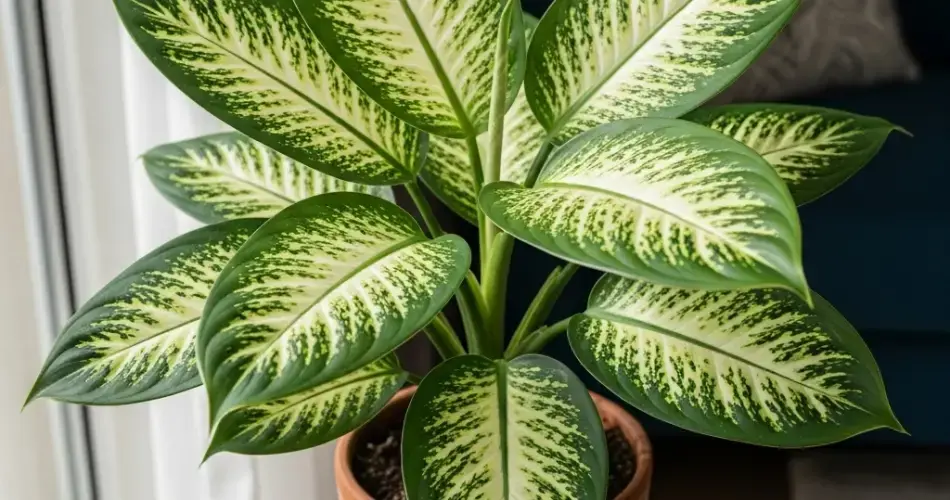
Dieffenbachia, commonly known as dumb cane, is celebrated for its large, patterned leaves that bring a tropical flair to any indoor space. The plant’s bold foliage makes it a favorite among houseplant enthusiasts, but maintaining those impressive leaves requires careful attention to watering. Incorrect watering can lead to yellowing leaves, drooping stems, or root rot, which diminishes the plant’s beauty and vitality. Establishing proper watering routines is essential for keeping Dieffenbachia leaves big, bold, and vibrant year-round.
Understanding Dieffenbachia’s Water Needs
Dieffenbachia is native to tropical forests, where it thrives under filtered sunlight in soil that remains consistently moist yet well-drained. Recreating these conditions indoors is crucial for healthy foliage:
- Roots: Healthy roots absorb water and nutrients efficiently. Overly wet soil can suffocate roots, while dry soil stresses them and slows growth.
- Leaves: Consistent moisture helps maintain the plant’s large, glossy leaves. Inconsistent watering can cause browning, curling, or drooping.
- Growth: Proper hydration supports robust leaf development and allows the plant to maintain its bold, dramatic appearance.
Balancing soil moisture without overwatering or underwatering is the key to leaf health.
Choosing the Right Soil and Container
The soil and container play a pivotal role in maintaining proper hydration:
- Soil: A light, well-draining potting mix is ideal. Combining peat moss, perlite, and compost ensures adequate moisture retention while preventing waterlogging. Avoid dense soils that trap excess water and restrict root oxygenation.
- Container: Pots with drainage holes allow excess water to escape. Consider placing a saucer beneath the pot to catch overflow but avoid letting the plant sit in standing water.
Well-prepared soil and the right container support stable moisture levels and strong root systems, which are essential for healthy foliage.
Effective Watering Techniques
Several methods help ensure Dieffenbachia receives water without risking root or leaf damage:
Top Watering
- Water slowly around the base of the plant, avoiding contact with leaves to prevent fungal issues.
- Ensure water reaches the bottom of the pot and drains freely to maintain even soil moisture.
- Use room-temperature water to prevent shock to the roots.
Bottom Watering
- Place the pot in a shallow tray of water for 15–30 minutes, allowing the soil to absorb moisture from below.
- Remove excess water to prevent standing water and potential root rot.
Self-Watering Pots
- Self-watering containers provide consistent hydration through a reservoir.
- Regularly monitor the soil to avoid over-saturation and flush occasionally to remove accumulated salts from fertilizers.
Monitoring Soil Moisture
- Insert a finger about one inch into the soil. Water when the top layer feels slightly dry.
- Adjust watering frequency based on season, indoor temperature, and humidity levels. Dieffenbachia may require more frequent watering during spring and summer growth periods and less in cooler, low-light months.
Signs of Improper Watering
- Overwatering: Yellowing leaves, mushy stems, and root rot are indicators of too much water.
- Underwatering: Drooping, curling, or browning leaves signal insufficient moisture.
- Inconsistent watering: Alternating between wet and dry cycles stresses the plant, reducing leaf size and vitality.
Early recognition of these symptoms allows for timely adjustments, preventing long-term damage.
Supporting Bold Leaf Growth
Watering works best when paired with complementary care practices:
- Light: Place Dieffenbachia in bright, indirect light to encourage large, vibrant leaves. Avoid direct sunlight, which can scorch foliage.
- Humidity: Moderate humidity (40–60%) helps maintain leaf turgor and prevents drying. Use a humidity tray or group plants together to boost moisture levels.
- Fertilization: Apply a balanced, water-soluble fertilizer every 4–6 weeks during the growing season to support healthy leaf expansion and root development.
- Pruning: Remove yellow, damaged, or old leaves to redirect energy to new growth and maintain airflow around the plant.
By combining correct watering with these care strategies, Dieffenbachia can maintain its dramatic leaf display.
Seasonal Adjustments
Dieffenbachia’s water requirements vary throughout the year:
- Spring and summer: Warm temperatures and active growth necessitate more frequent watering.
- Fall and winter: Reduced growth and cooler indoor conditions require less water. Adjust watering schedules to avoid over-saturating the soil during dormant periods.
Seasonal awareness helps maintain steady leaf growth and prevents stress caused by inconsistent moisture.
Final Thoughts
Correct watering routines are essential for maintaining big, bold Dieffenbachia leaves. By selecting well-draining soil, using a pot with proper drainage, applying effective watering techniques, and monitoring soil moisture, indoor gardeners can ensure lush foliage and healthy growth. Combined with suitable light, humidity, and fertilization, proper watering keeps Dieffenbachia leaves vibrant and dramatic, making the plant a striking centerpiece in any indoor garden.
