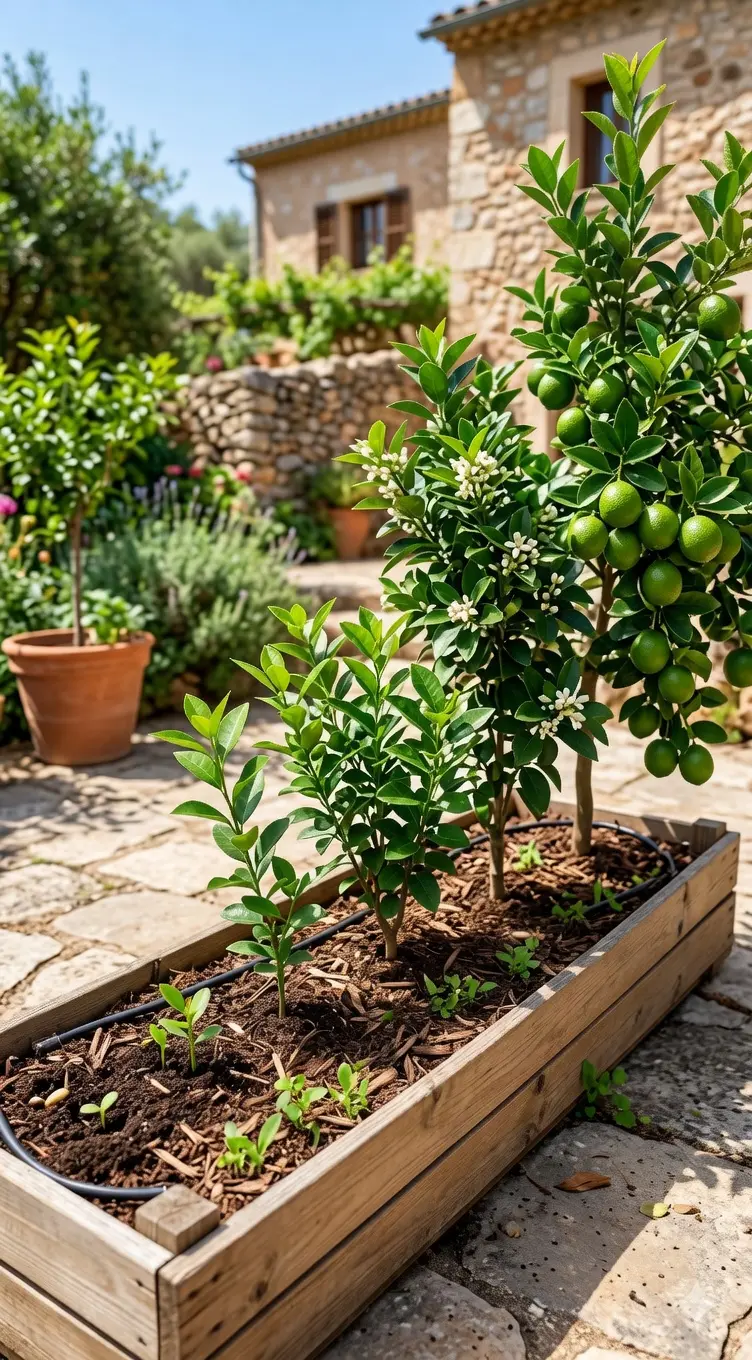
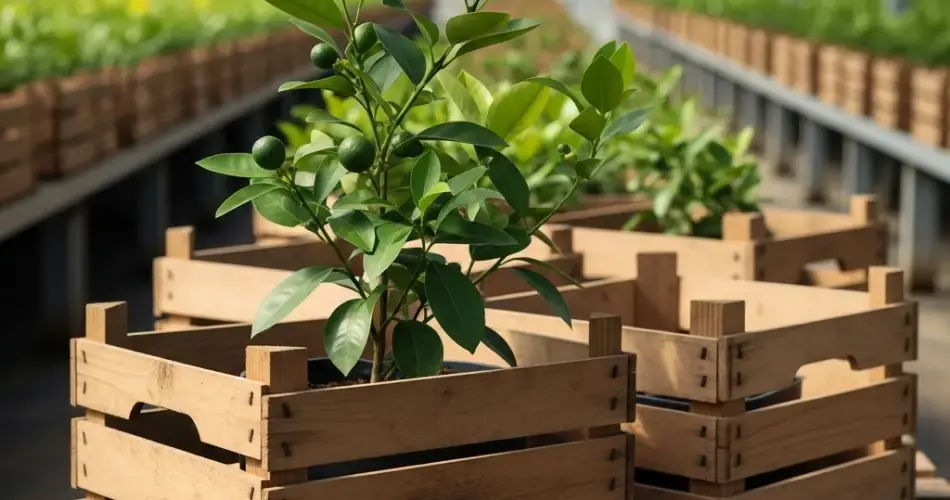
Lime trees are valued for their refreshing fruits, fragrant blossoms, and year-round greenery. While traditionally grown in orchards or spacious gardens, they can also thrive in containers, including wooden crates. For those with limited space such as balconies, patios, or small backyards, growing lime trees in crates is a practical and rewarding solution. With the right care, you can enjoy a steady supply of fresh limes while adding beauty and fragrance to your home environment.
Why Use Crates for Lime Trees?
Wooden crates are versatile containers that provide adequate depth for root development. Lime trees require a well-draining medium, and crates allow for improved air circulation compared to some plastic or ceramic pots. They are also affordable and eco-friendly, as many can be repurposed from old storage boxes or shipping containers. The natural look of wood blends well with any garden style, and because crates are relatively lightweight compared to large ceramic pots, they can be moved to sunnier spots or sheltered areas when needed.
Preparing the Crate
Start with a strong crate that is at least 18 to 20 inches deep and wide enough to accommodate the expanding root system of a lime tree. Reinforce the bottom if necessary to support the weight of soil and water. To prevent soil loss, line the inside with landscape fabric or burlap. Drill or ensure there are drainage holes at the base to prevent waterlogging, which can damage citrus roots.
Fill the crate with a high-quality potting mix designed for citrus or other fruit trees. A good mix should be light, well-draining, and rich in organic matter. Combining potting soil with sand or perlite improves drainage, while adding compost or aged manure boosts fertility. Limes prefer slightly acidic soil with a pH between 6.0 and 6.5, which helps them absorb nutrients effectively.
Planting Lime Trees in Crates
Lime trees can be grown from seeds, but starting with a young grafted plant is more reliable. Grafted trees bear fruit sooner, usually within two to three years, and are more resilient. Place the plant in the center of the crate and cover the roots with soil, making sure the graft union (the bulge where the tree was grafted) remains above the soil line to prevent rotting.
Position the crate in a sunny spot where the tree will receive at least 6 to 8 hours of direct sunlight each day. Limes love warmth, so a location with plenty of light ensures healthy foliage and abundant fruiting. If you live in a cooler climate, crates make it easier to move the tree indoors or to a greenhouse during frosty months.
Watering and Feeding
Consistent watering is essential for lime trees, especially when grown in crates where soil can dry out faster. The soil should remain moist but never soggy. A deep watering once or twice a week is usually sufficient, but this may vary depending on the weather. During hot spells, you may need to water more frequently. Adding a layer of mulch on top helps retain moisture and regulate soil temperature.
Fertilizing lime trees is just as important as watering. Citrus trees are heavy feeders and require a balanced fertilizer rich in nitrogen, phosphorus, potassium, and micronutrients like magnesium and iron. Use a citrus-specific fertilizer every 4 to 6 weeks during the growing season, reducing the frequency during the cooler months when growth slows. Regular feeding ensures lush leaves and steady fruit production.
Pruning and Care
Pruning helps maintain the size of your lime tree, especially when grown in crates where space is limited. Remove any dead, weak, or crossing branches to improve air circulation. Shape the tree to keep it compact and manageable, which also makes harvesting easier. Regular inspection for pests such as aphids, scale, or spider mites is essential. Neem oil, insecticidal soap, or natural predators like ladybugs can help control infestations.
Lime trees may occasionally suffer from nutrient deficiencies, which show as yellowing leaves or poor fruit development. Monitoring the soil and adjusting fertilization quickly corrects these issues. A healthy tree will reward you with fragrant flowers followed by clusters of green limes that ripen into juicy fruits.
Harvesting Limes
Depending on the variety, lime trees can start producing fruit within two to three years of planting. The fruits are ready to pick when they reach full size, have a glossy green skin, and yield slightly when squeezed. Unlike some fruits, limes do not continue to ripen after being picked, so harvest them when they are ready. Frequent harvesting encourages the tree to produce more fruit.
Benefits of Growing Limes in Crates
Beyond the obvious advantage of enjoying fresh, homegrown limes, crate gardening offers flexibility and mobility. You can move the tree to catch the sun, protect it from strong winds, or bring it indoors when temperatures drop. The compact setup makes it possible for anyone—even urban dwellers—to enjoy the pleasures of citrus growing without needing a large garden.
Final Thoughts
Growing lime trees in crates at home is an enjoyable and sustainable gardening practice. With the right preparation, consistent care, and attention to sunlight, water, and nutrition, you can cultivate a thriving lime tree that produces fragrant blossoms and tangy fruits for your kitchen. Whether you want to flavor drinks, enhance dishes, or simply enjoy the freshness of limes, having your own crate-grown lime tree is a rewarding addition to your home garden.
