
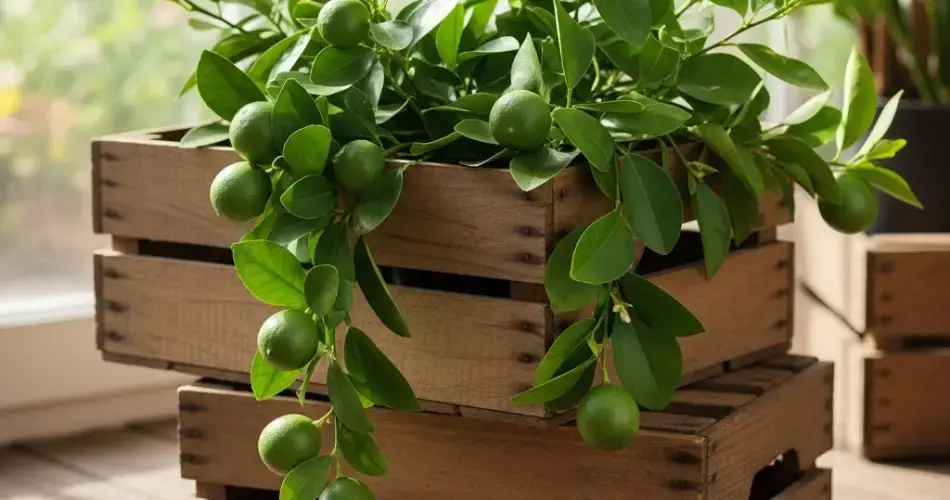
Limes are one of the most refreshing citrus fruits, adding zest to beverages, marinades, desserts, and savory dishes. Traditionally, lime trees require ample garden space, but more and more gardeners are proving that limes can also be grown successfully in compact settings. One of the most efficient ways to achieve this is by planting lime trees in wooden boxes. This method not only allows urban dwellers and those with small yards to enjoy homegrown citrus but also provides flexibility, mobility, and design appeal. With careful planning and attention, compact lime gardening with wooden boxes can bring a steady harvest of fresh limes right to your doorstep.
Why Choose Wooden Boxes for Lime Trees?
Wooden boxes make excellent containers for lime cultivation for several reasons. First, they are sturdy enough to support the weight of both soil and a growing tree. Second, they provide good insulation, protecting the roots from rapid temperature fluctuations. Wooden boxes also allow gardeners to design attractive and functional container gardens that blend naturally into patios, balconies, or small backyards.
Perhaps the greatest advantage of wooden boxes is mobility. Unlike trees planted directly in the ground, lime trees in boxes can be shifted to sunnier spots, moved indoors during cold spells, or rearranged to fit new layouts in your outdoor space. This flexibility makes lime box gardening particularly appealing to those living in apartments or climates with seasonal changes.
Selecting the Right Box
The size of the container is crucial. Lime trees need space to develop a healthy root system, so the wooden box should be at least 20–24 inches deep and equally wide. Larger boxes encourage stronger growth and higher yields, but they also become heavier, so balance mobility with practicality.
Good drainage is another essential factor. Drill several holes in the bottom of the box to allow excess water to escape. To improve drainage, place a layer of gravel or broken pottery at the bottom before adding soil. Lining the interior with landscape fabric helps prevent soil loss while keeping roots contained.
Preparing the Soil
Limes thrive in well-draining, nutrient-rich soil. A good mix for box planting includes equal parts garden soil, compost, and coarse sand or perlite. The compost enriches the soil with organic matter, while the sand or perlite prevents compaction and allows roots to breathe.
The ideal pH for lime trees is slightly acidic, around 6.0 to 6.5. If your soil is too alkaline, consider mixing in peat moss or organic matter to adjust it. Fertility is key to citrus success, so incorporate a balanced citrus fertilizer or slow-release organic nutrients before planting.
Planting Lime Trees in Boxes
When choosing a lime variety, opt for compact or dwarf cultivars, such as Key lime, Persian lime, or dwarf Tahitian lime, which adapt well to container gardening.
Place the tree in the center of the box, ensuring the root ball sits level with the soil surface. Fill in with your prepared soil mix, firming it gently around the roots. Water thoroughly to help settle the soil and eliminate air pockets.
If planting from seed, patience is required, as lime trees take years to bear fruit. For quicker harvests, purchase a grafted young tree from a nursery, which can begin producing limes in just a few seasons.
Sunlight and Watering Needs
Limes love sunlight and need at least 6–8 hours of direct light daily. Position your wooden box in the sunniest part of your space—balconies, patios, or rooftops often work well. If indoors, place the box near a bright window or supplement with grow lights.
Watering must be consistent. Lime trees dislike both drought and waterlogging. Check the soil regularly, and water when the top 2 inches feel dry. In hot weather, daily watering may be necessary, but always ensure that excess water drains freely to avoid root rot.
Feeding and Ongoing Care
Citrus trees are heavy feeders. Use a balanced citrus fertilizer every 4–6 weeks during the growing season, or feed with organic alternatives like compost tea or worm castings. Fertilizers rich in nitrogen encourage healthy foliage, while phosphorus and potassium promote flowering and fruiting.
Pruning is important for maintaining a compact shape in wooden boxes. Trim back leggy branches, remove dead wood, and thin overcrowded areas to improve airflow. Occasional root pruning may also be required every few years to prevent the tree from becoming root-bound in the box.
Pest and Disease Management
Like all citrus, limes are susceptible to pests such as aphids, scale insects, and spider mites. Inspect the tree regularly, and if needed, use insecticidal soap or neem oil to control infestations. Good air circulation around the plant helps reduce fungal problems, while proper watering practices prevent root diseases.
Harvesting Homegrown Limes
Lime trees usually begin bearing fruit within 2–3 years if grown from grafted stock. The fruits are ready to pick once they feel slightly soft when gently squeezed and turn glossy green or yellow, depending on the variety. Harvesting regularly encourages the tree to produce more fruit, ensuring a steady supply for your kitchen.
Conclusion
Compact lime gardening with wooden boxes offers the perfect solution for anyone who dreams of harvesting fresh citrus in small spaces. By choosing the right box, preparing fertile soil, and providing consistent sunlight, water, and nutrients, you can nurture a thriving lime tree that delivers juicy fruits year after year. Beyond the practical benefits, growing limes in boxes adds beauty and fragrance to your home environment, making it both a functional and decorative addition to your garden space.
