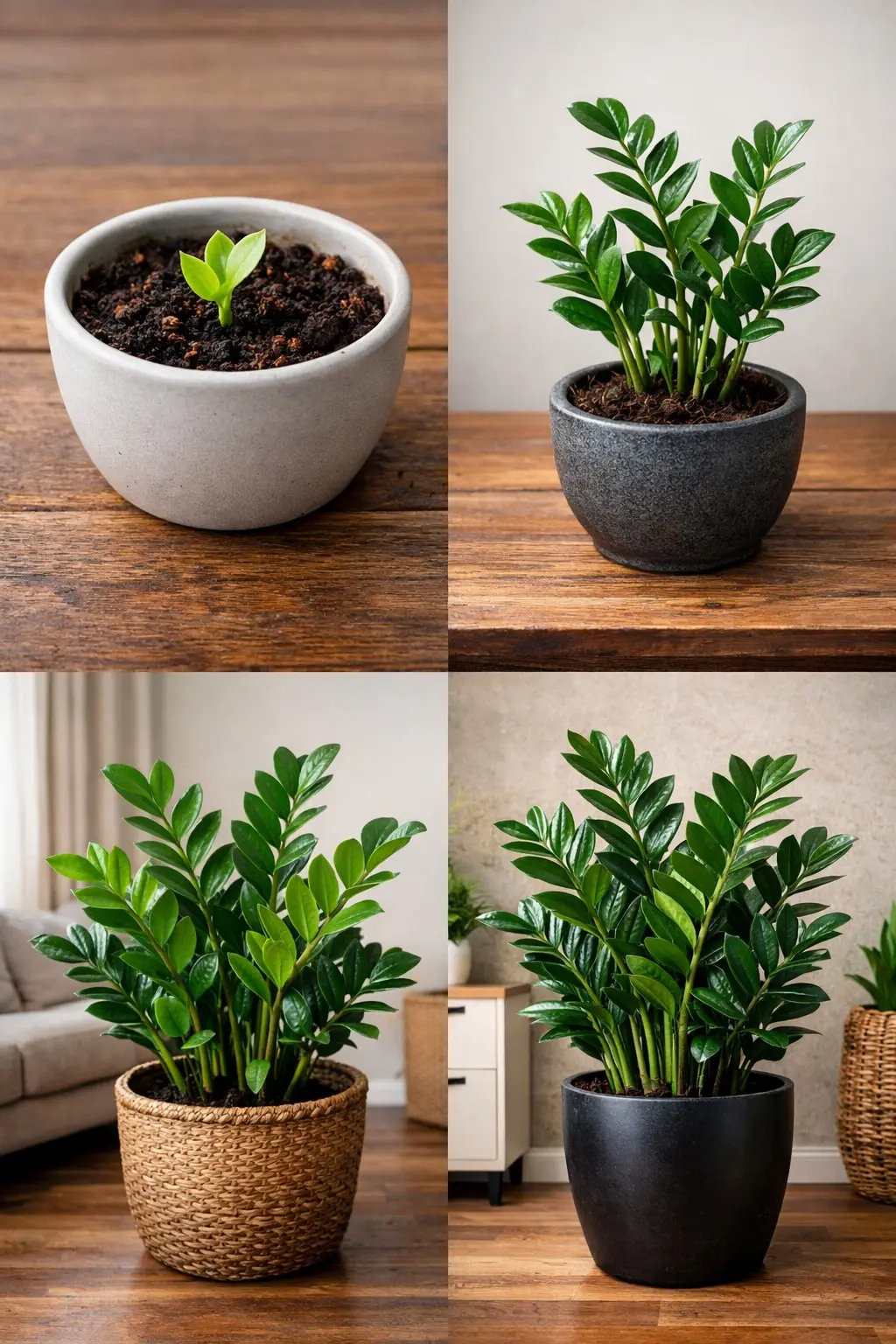
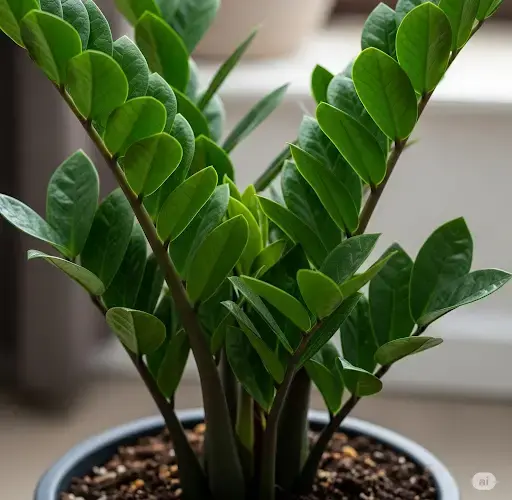
Every day, tons of organic waste are tossed into the trash without a second thought. But what if that waste could be turned into a powerful natural fertilizer—one that costs nothing, improves soil health, and transforms the growth of your houseplants? If you have a Zamioculcas zamiifolia (also known as the ZZ plant), or any other decorative potted plant, this simple homemade solution can work wonders. It’s time to stop discarding what could be the secret to a lush, green indoor jungle.
The Secret Ingredient: Banana Peel
Yes, banana peels—the kitchen scraps many people throw away—are one of the best organic boosters for your indoor plants. Rich in potassium, phosphorus, calcium, and magnesium, banana peels provide essential nutrients that support healthy root systems, encourage leaf growth, and even stimulate flowering in many species.
Why Banana Peels Work So Well
Banana peels decompose quickly and release nutrients into the soil, especially when processed properly. Here’s what they offer:
- Potassium strengthens stems and boosts disease resistance.
- Phosphorus supports strong roots and encourages flower production.
- Calcium improves cell wall structure and helps regulate soil acidity.
- Magnesium is vital for chlorophyll production and lush green leaves.
Together, these nutrients provide balanced, slow-release nourishment that is perfect for long-term plant health—especially in hardy varieties like Zamioculcas, as well as in Spathiphyllum, Dracaena, Monstera, and even flowering indoor plants like Anthurium or Begonia.
How to Turn Banana Peel into Plant Gold
There are several ways to prepare banana peel for your plants. Here are three effective methods you can try, depending on what works best for your routine:
Method 1: Banana Peel Water (Fermented Fertilizer)
What You’ll Need:
- 1 ripe banana peel
- 1 liter of warm water
- A clean jar with a lid
Instructions:
- Chop the banana peel into small pieces.
- Place the pieces into the jar and cover with water.
- Seal the jar and leave it at room temperature for 2–3 days to ferment.
- Strain the mixture and use the liquid to water your plants at the base.
How Often to Use: Once every 2–3 weeks during the growing season (spring through early fall).
Method 2: Dried Banana Peel Powder
What You’ll Need:
- Banana peels (as many as you’d like)
- Oven or dehydrator
- Blender or grinder
Instructions:
- Dry the banana peels until they are crisp—either in a low-heat oven or dehydrator.
- Once dried, grind them into a fine powder.
- Store the powder in a sealed jar.
- Sprinkle 1–2 teaspoons onto the soil surface of your houseplants.
How Often to Use: Once a month as a gentle, slow-release fertilizer.
Method 3: Direct Soil Additive
What You’ll Need:
- 1 banana peel
- Sharp scissors or knife
Instructions:
- Chop the peel into very small pieces.
- Mix the pieces directly into the potting soil or place them just below the surface.
This method works best when repotting or refreshing the top layer of soil, as it allows the peels to break down gradually over time.
Best Plants to Use This On
While Zamioculcas thrives with this natural treatment, many other houseplants also benefit, including:
- Spathiphyllum (Peace Lily) – for vibrant green foliage and regular blooming
- Dracaena – for strong stems and healthy leaf growth
- Monstera – to support large, glossy leaves
- Ficus elastica (Rubber Plant) – to enhance leaf sheen and density
- Anthurium and Begonia – to promote flowering
- Pothos and Philodendron – for lush trailing vines
Avoid using banana peels on succulents or cacti, which require drier, more mineral-based soil.
Additional Tips
- Always ensure that banana peel fertilizer is applied to well-draining soil to avoid attracting pests.
- Don’t overdo it—while banana peels are natural, too much can lead to fungal growth or mold if left wet on the surface.
- Store peel water or powder in a cool, dry place and use within a few weeks for maximum effectiveness.
Why Zamioculcas Responds So Well
The ZZ plant is prized for its ability to thrive in low light and with minimal care. However, like all plants, it benefits from proper nutrition. The potassium and magnesium found in banana peels help this hardy plant maintain its signature glossy leaves, while phosphorus supports its underground rhizomes—ensuring strong new growth and resistance to common indoor stressors like low humidity and irregular watering.
By using banana peel fertilizer, you not only avoid chemical fertilizers but also enrich your plant’s ecosystem in a gentle, sustainable way.
Conclusion
The next time you eat a banana, don’t toss the peel—your plants will thank you. What many consider waste is actually a goldmine of nutrition that can turn tired, pale houseplants into thriving, green showpieces. Zamioculcas, in particular, loves this natural treatment, but almost any tropical houseplant will benefit.
With a few minutes of preparation and no extra cost, you can make use of something that would otherwise go in the trash—and turn it into pure gold for your indoor garden.
