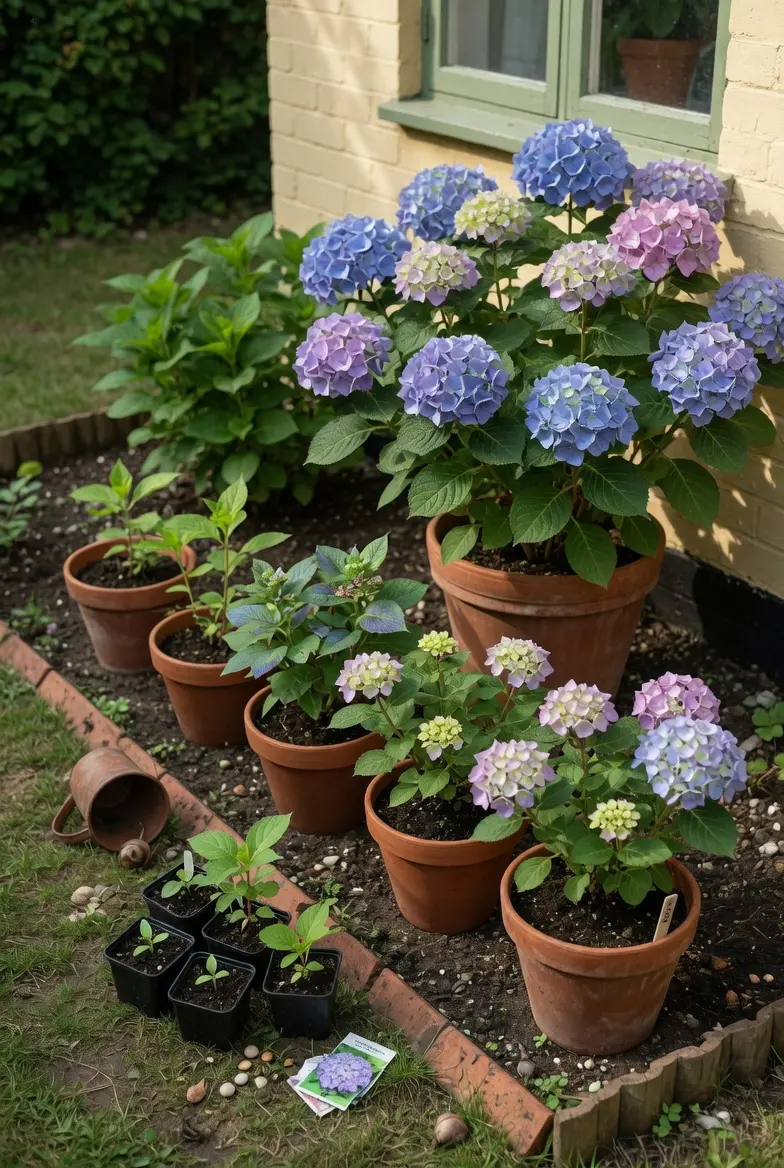
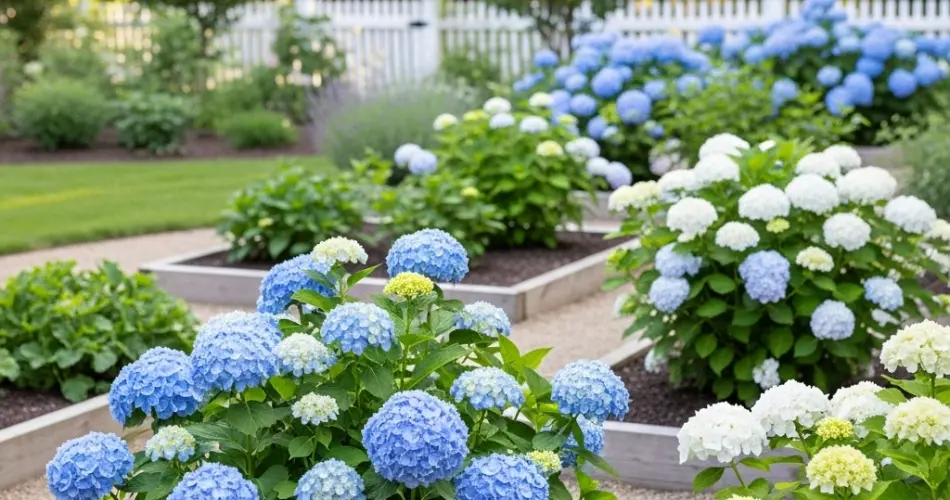
Hydrangeas are among the most beloved garden shrubs, admired for their large, lush flower clusters and ability to brighten any outdoor space. Whether you prefer the classic mophead blooms or delicate lacecaps, hydrangeas add charm and color to gardens with minimal fuss. If you want to grow hydrangeas successfully and enjoy their stunning flowers year after year, this guide will walk you through simple, practical tips for planting, care, and maintenance.
Why Choose Hydrangeas?
Hydrangeas are versatile shrubs that can adapt to many garden styles, from formal landscapes to cottage gardens. They come in a variety of colors—pink, blue, white, and purple—with some varieties even changing color depending on soil pH. These beautiful blooms can fill shady or partially sunny spots where other flowering plants struggle, making hydrangeas a great choice for many gardeners.
Selecting the Right Hydrangea Variety
Before planting, it’s important to select a variety that suits your climate, garden space, and aesthetic preferences. Here are some popular types:
- Bigleaf Hydrangea (Hydrangea macrophylla): Known for large mophead and lacecap blooms, thrives in partial shade, and can change color with soil acidity.
- Panicle Hydrangea (Hydrangea paniculata): Produces large, cone-shaped flowers, tolerates full sun better, and is more cold-hardy.
- Smooth Hydrangea (Hydrangea arborescens): A hardy, low-maintenance shrub with white blooms, ideal for colder climates.
- Oakleaf Hydrangea (Hydrangea quercifolia): Recognized for unique oak-shaped leaves and showy flower clusters, with attractive fall foliage.
Choose the type that best fits your region and the spot where you plan to plant.
Choosing the Right Location
Hydrangeas generally prefer morning sun and afternoon shade or filtered sunlight throughout the day. Too much direct afternoon sun can scorch the leaves and flowers, while too much shade can reduce flowering.
Soil should be well-draining but moisture-retentive, rich in organic matter. If your soil is heavy clay or sandy, amend it with compost or organic mulch to improve texture and fertility.
Planting Hydrangeas
- Timing: The best time to plant hydrangeas is in spring or fall when temperatures are milder.
- Digging the Hole: Dig a hole twice as wide and as deep as the root ball to allow roots to spread easily.
- Soil Preparation: Mix garden soil with compost or peat moss to enrich the planting hole.
- Planting Depth: Set the shrub so that the top of the root ball is level with the ground surface.
- Watering In: After planting, water thoroughly to help settle the soil around the roots.
Adding a 2–3 inch layer of mulch around the base helps retain moisture and keeps weeds at bay.
Watering and Feeding
Hydrangeas need consistent moisture, especially during dry spells. Water deeply once or twice a week, aiming for the root zone rather than the leaves to avoid fungal issues.
Fertilize hydrangeas once in early spring and again mid-season using a balanced, slow-release fertilizer formulated for shrubs or flowering plants. Avoid over-fertilizing as this can promote leaf growth over blooms.
Pruning for Healthy Growth and Flowers
Pruning depends on the hydrangea variety:
- Bigleaf and Oakleaf Hydrangeas: These bloom on old wood (previous year’s growth). Prune lightly after flowering to remove spent blooms and dead branches.
- Panicle and Smooth Hydrangeas: These bloom on new wood (current year’s growth) and can be pruned hard in late winter or early spring to encourage strong new stems and bigger flowers.
Removing dead or weak stems annually encourages healthy growth and improves air circulation.
Color Control Tips
For Bigleaf Hydrangeas, flower color can be influenced by soil pH:
- Acidic soil (pH below 6.0) tends to produce blue or lavender-blue flowers.
- Neutral to alkaline soil (pH 6.0 and above) tends to produce pink or red flowers.
To achieve blue flowers, add aluminum sulfate to the soil according to package directions. For pink flowers, add garden lime to raise soil pH.
Protecting Your Hydrangeas
Hydrangeas are generally hardy but can benefit from some protection:
- In colder climates, cover the base with mulch before winter to protect roots.
- In hot regions, provide afternoon shade or a shade cloth during heatwaves.
- Watch for pests like aphids and spider mites; treat infestations early with insecticidal soap or neem oil.
- Prevent fungal diseases by ensuring good airflow and avoiding overhead watering.
Enjoying Your Hydrangeas Year After Year
With the right care, hydrangeas will reward you with stunning flowers season after season. Their large, dramatic blooms brighten garden beds, borders, and containers, adding charm and elegance to your outdoor space.
By choosing the right variety, planting in a suitable location, and following simple watering and pruning routines, even beginner gardeners can grow beautiful hydrangeas successfully.
Final Thoughts
Hydrangeas offer a wonderful mix of beauty, versatility, and ease of care, making them a perfect addition to any garden. Whether you want to create a colorful focal point, a shady border, or a fragrant cut-flower supply, these easy-to-grow shrubs are sure to impress.
Start with good soil, water consistently, and prune wisely, and you’ll enjoy the spectacular blooms and lush foliage of hydrangeas for years to come.
