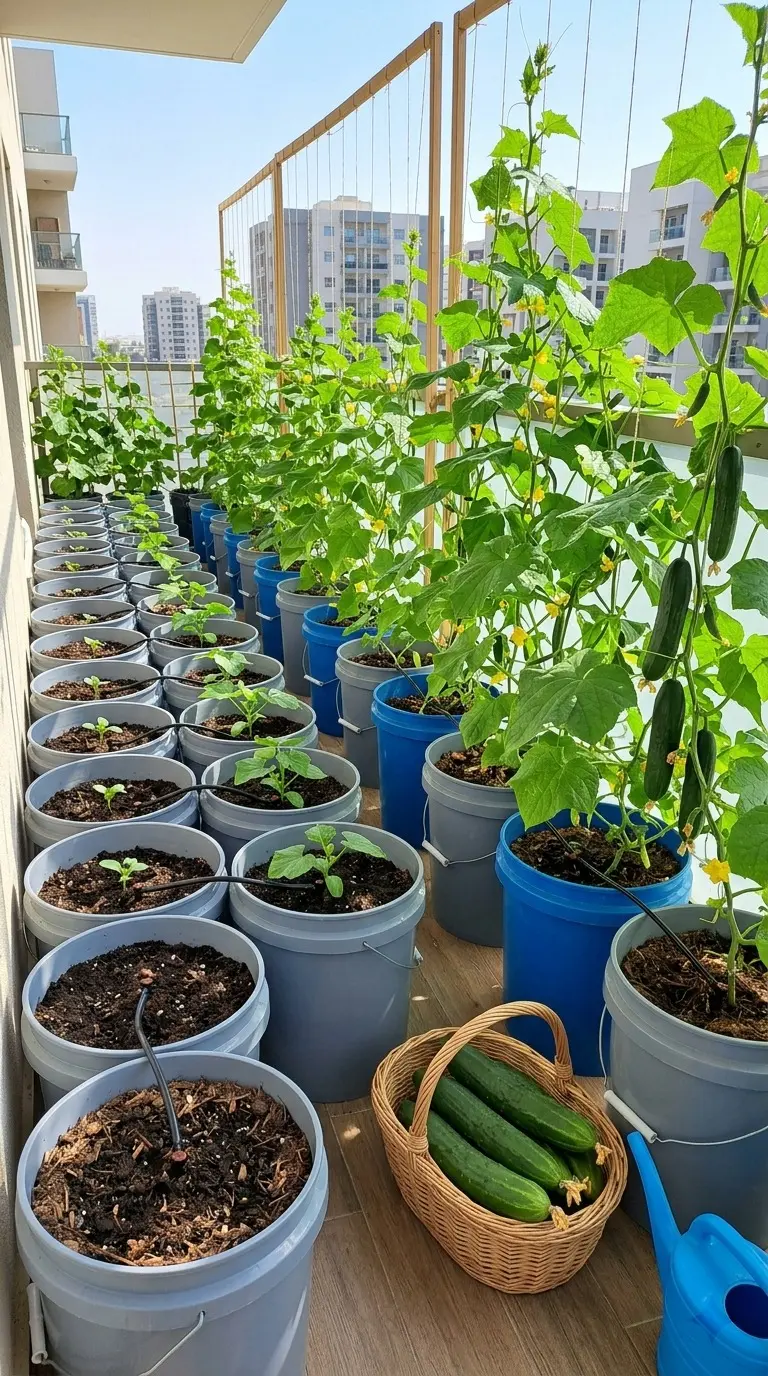
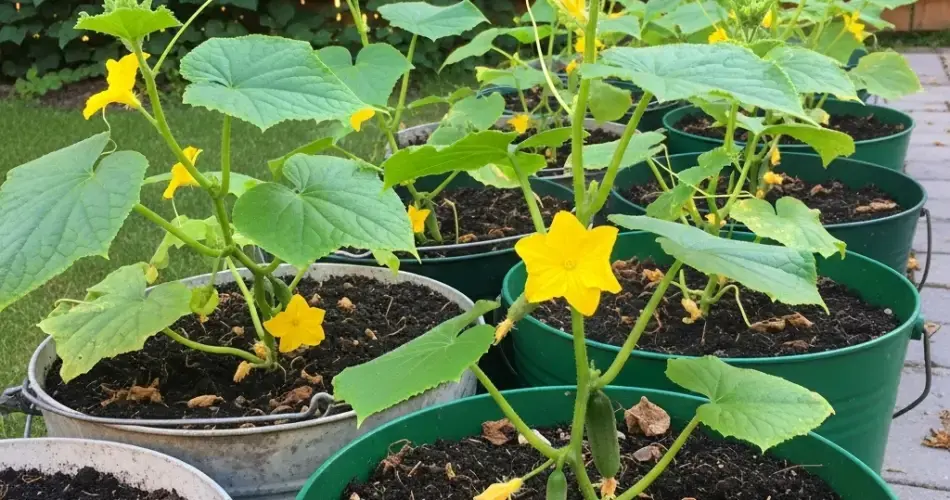
Cucumbers are refreshing, versatile vegetables that are perfect for home gardening, even in small spaces. Urban gardeners with limited outdoor areas, balconies, or patios can enjoy fresh cucumbers by growing them in buckets. Container gardening allows for precise control over soil quality, sunlight, and water, creating ideal conditions for healthy cucumber growth. With proper preparation, care, and support, bucket-grown cucumbers can yield a continuous harvest of crisp, flavorful fruits throughout the season.
Why Grow Cucumbers in Buckets?
Growing cucumbers in buckets provides several advantages for urban gardeners. Containers allow you to manage soil fertility and drainage more effectively, reducing the risk of common garden pests and soil-borne diseases. Bucket gardening is also space-efficient, enabling vertical growth with trellises or stakes and maximizing production in a small footprint. Additionally, containers are portable, making it easy to move plants to optimize sunlight or protect them from extreme weather conditions.
Choosing the Right Buckets
Selecting an appropriate bucket is crucial for healthy cucumber plants. Cucumbers have extensive root systems and require ample space to grow. Choose a bucket that is at least 12–16 inches deep and 14–18 inches wide to accommodate the roots and provide stability. Larger varieties may require deeper and wider containers for optimal growth. Use plastic, food-grade, or resin buckets for lightweight portability, or choose clay or ceramic pots for a more stable setup. Ensure the bucket has sufficient drainage holes to prevent waterlogging, which can damage roots and reduce yield.
Preparing the Soil Mix
Healthy, well-draining soil is essential for container-grown cucumbers. Cucumbers prefer nutrient-rich soil that retains moisture while allowing excess water to drain. A recommended bucket soil mix includes:
- 50% garden soil or loamy topsoil: Provides structure and essential minerals.
- 30% compost or well-rotted organic matter: Enhances fertility, moisture retention, and microbial activity.
- 20% perlite, coarse sand, or vermiculite: Improves drainage and prevents soil compaction.
Mix the components thoroughly and lightly moisten the soil before planting. Avoid dense or clay-heavy soils, which can hinder root development and reduce fruit quality. Proper soil preparation ensures healthy plants and abundant cucumbers.
Planting Cucumbers
Cucumbers can be grown from seeds or seedlings. For seeds, plant them about 1 inch deep and 2–3 inches apart. Once seedlings emerge, thin them to 12–18 inches apart, depending on the variety, to provide adequate airflow and root space. Plant near the base of a trellis or support structure, as cucumbers are climbing plants and require vertical support for optimal growth. Proper planting depth and spacing are crucial for healthy vines and abundant fruit production.
Sunlight and Growing Conditions
Cucumbers thrive in full sun, requiring at least six hours of direct sunlight daily. Buckets allow for mobility, so you can position plants in the sunniest spot available and protect them from strong winds. Cucumbers also prefer warm temperatures for flowering and fruiting. In cooler climates, containers can be moved to capture the best light or placed near walls to create microclimates that encourage growth.
Watering and Mulching
Consistent moisture is critical for container-grown cucumbers. Buckets dry out faster than garden soil, so monitor soil moisture regularly. Water deeply to keep the soil evenly moist, avoiding waterlogging, which can cause root rot. Mulching the surface with straw, shredded leaves, or other organic material helps retain moisture, regulate soil temperature, and reduce weeds. Proper watering and mulching support healthy roots, prevent stress, and enhance fruit development.
Fertilization and Nutrient Management
Cucumbers are heavy feeders and require balanced nutrients for optimal growth. Incorporate slow-release organic fertilizer or compost into the soil at planting. During the growing season, supplement with liquid fertilizer or compost tea every two to three weeks to maintain nutrient levels. Focus on phosphorus and potassium for strong roots and fruit production, while avoiding excessive nitrogen, which can encourage excessive foliage at the expense of fruit. Adequate nutrition ensures continuous flowering and healthy cucumbers.
Supporting Cucumber Vines
Cucumbers are climbing plants and benefit from vertical support, which saves space and improves airflow. Use trellises, stakes, or cages to guide vines upward. Proper support also keeps fruits off the soil, reducing the risk of rot and pest damage. As vines grow, gently train them along the support structure to maximize sunlight exposure and encourage robust fruiting.
Pest and Disease Management
Container-grown cucumbers are generally less susceptible to pests and diseases than in-ground plants, but vigilance is important. Common pests include aphids, cucumber beetles, and spider mites, while fungal issues such as powdery mildew may appear in humid conditions. Inspect plants regularly, remove affected leaves, and use organic pest control methods as needed. Good spacing, well-draining soil, and adequate sunlight reduce most problems.
Harvesting Cucumbers
Cucumbers are typically ready for harvest 50–70 days after planting, depending on the variety. Pick fruits when they reach the expected size and color, and harvest regularly to encourage continuous production. Frequent harvesting also prevents overripe cucumbers from slowing down new fruit development.
Conclusion
Growing cucumbers in buckets is an efficient and rewarding way to enjoy fresh, homegrown vegetables in small urban spaces. By selecting appropriate containers, preparing nutrient-rich, well-draining soil, providing consistent sunlight and water, and managing nutrients, support, and pests carefully, gardeners can cultivate healthy, productive cucumber plants from planting to harvest. Container gardening offers flexibility, control, and high yields, making it possible to enjoy crisp, flavorful cucumbers even in limited-space settings.
