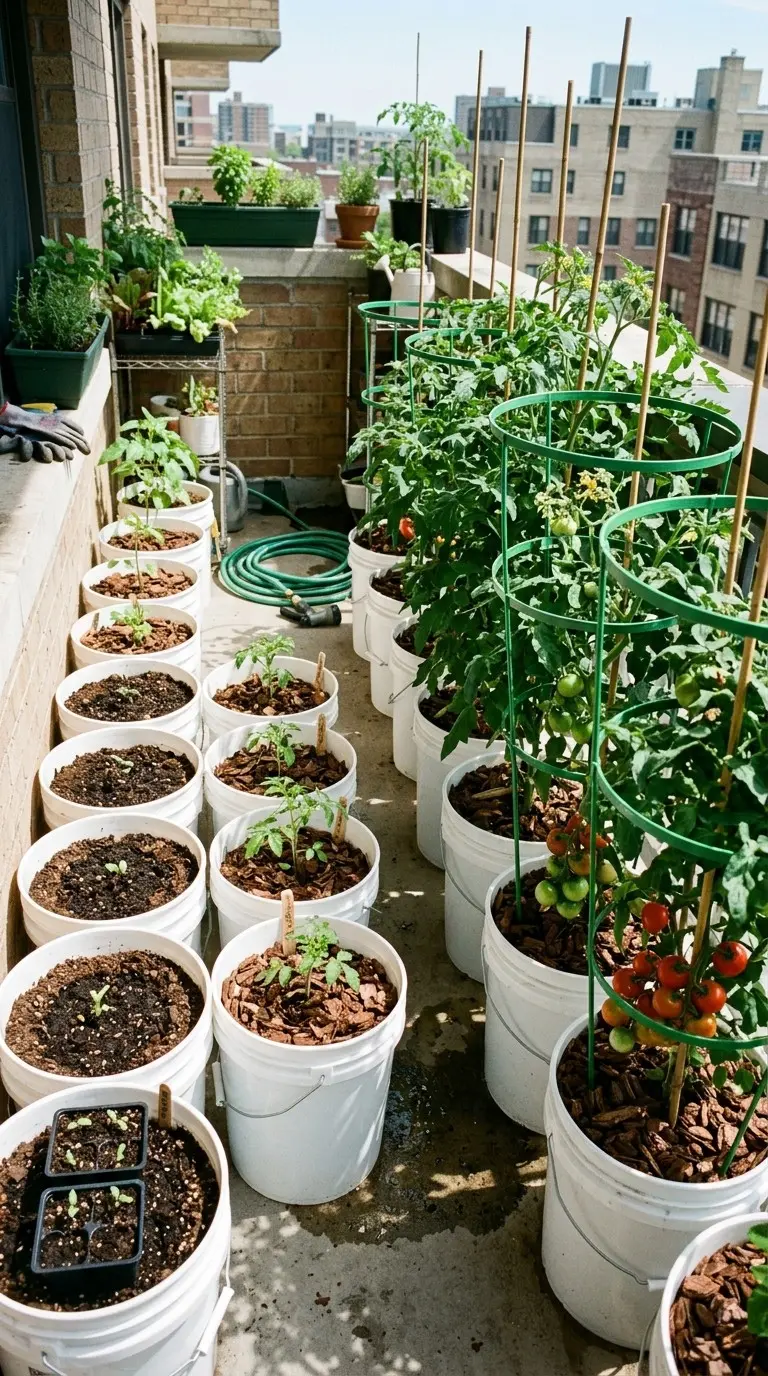
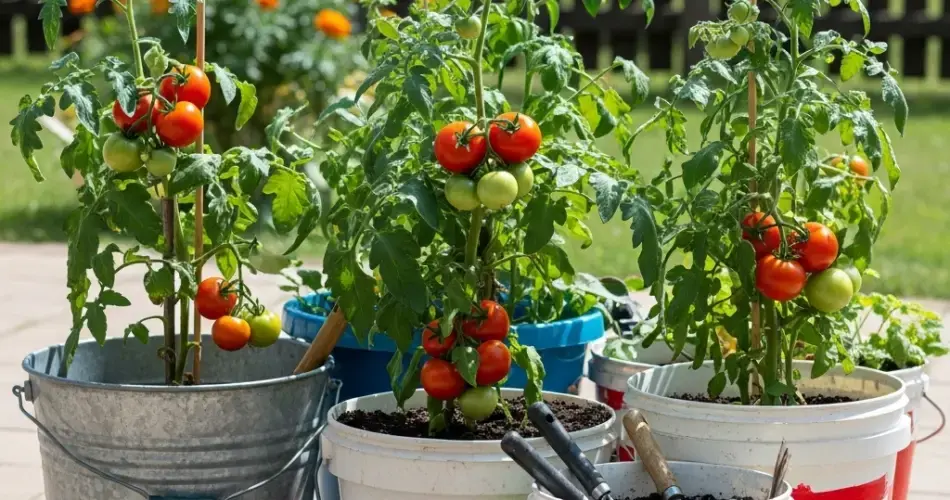
Tomatoes are one of the most popular vegetables for home gardeners, offering vibrant flavor, nutrition, and versatility in the kitchen. For gardeners with limited space, growing compact tomato plants in buckets is a practical and rewarding solution. Container gardening allows for control over soil quality, drainage, and sunlight exposure, ensuring healthy plants and abundant fruit. This guide provides step-by-step instructions for successfully growing compact tomato varieties in buckets.
Why Container Gardening Works for Tomatoes
Compact or dwarf tomato varieties are well-suited for container gardening because their small size allows them to thrive in limited space while producing a significant yield. Buckets provide an ideal growing environment, offering proper soil depth, drainage, and nutrient control. Urban gardeners, balcony dwellers, or anyone without a traditional garden plot can enjoy fresh, homegrown tomatoes with minimal space. Containers also reduce pest exposure and make harvesting easier.
Choosing the Right Tomato Variety
For bucket gardening, choose compact or determinate tomato varieties that remain small, bushy, and manageable. Popular choices include “Tiny Tim,” “Patio Princess,” “Bush Early Girl,” and “Red Robin.” These varieties are bred to grow well in containers and produce fruit continuously over the season. Selecting the right variety ensures strong growth, high productivity, and flavorful fruit, even in limited space.
Selecting and Preparing Buckets
Choose buckets that are at least 12 inches deep and wide enough to accommodate one tomato plant comfortably. Larger containers can support multiple plants if spaced appropriately. Ensure that each bucket has sufficient drainage holes at the bottom to prevent waterlogging, which can lead to root rot. For better drainage, place a thin layer of gravel or small stones at the bottom of the bucket. Clean the containers thoroughly to prevent disease from previous crops.
Soil Preparation
Tomatoes require nutrient-rich, well-draining soil with a slightly acidic to neutral pH (6.0–7.0). Use a high-quality potting mix blended with compost or well-rotted organic matter to improve fertility and water retention. Adding perlite or coarse sand enhances drainage and prevents soil compaction, which is essential for healthy root development. Avoid using heavy garden soil, which can restrict root growth and reduce fruit production.
Planting Compact Tomatoes
Plant compact tomato seedlings directly into the prepared bucket soil, burying them up to the first set of true leaves. This encourages strong root development along the buried stem. Water thoroughly after planting to help the soil settle around the roots. Place one plant per bucket to ensure adequate space for growth. For a continuous harvest, consider planting seedlings in successive batches throughout the growing season.
Sunlight Requirements
Tomatoes thrive in full sun and require at least six to eight hours of direct sunlight daily. Place your buckets in a bright, sunny location such as a balcony, patio, or rooftop. Adequate sunlight promotes strong foliage, healthy flowers, and robust fruit development. In extremely hot climates, providing partial afternoon shade can prevent leaf scorching while still allowing adequate light for growth.
Watering and Care
Consistent moisture is crucial for container-grown tomatoes. Water the plants deeply whenever the top inch of soil feels dry, ensuring that the roots receive adequate hydration. Avoid overwatering, which can lead to root rot or fungal diseases. Mulching the soil surface with straw or shredded leaves helps retain moisture, regulate temperature, and reduce weed growth. Support the plant with stakes or small cages to maintain upright growth and prevent branches from breaking under the weight of fruit.
Fertilization
Compact tomatoes are heavy feeders and benefit from regular fertilization. Use a balanced, slow-release fertilizer or organic compost tea every two to three weeks during the growing season. Proper nutrition promotes healthy foliage, strong root systems, and high-quality fruit. Avoid excessive nitrogen fertilization, as it can encourage leafy growth at the expense of fruit production.
Harvesting Tomatoes
Compact tomatoes typically begin producing fruit within 60–75 days, depending on the variety. Harvest the fruit when it is fully colored, firm, and aromatic. Regular harvesting encourages continued fruit production and prevents overripe fruit from attracting pests. Picking tomatoes in the morning provides the freshest flavor and maintains their texture.
Advantages of Bucket Tomato Gardening
Growing compact tomatoes in buckets maximizes limited space, allows for precise soil and water management, and reduces pest and disease problems. Containers are portable, enabling gardeners to reposition plants for optimal sunlight or protect them from extreme weather. Container-grown tomatoes are easy to maintain, harvest, and enjoy, providing fresh, flavorful fruit right from your home garden.
Conclusion
Growing compact tomato plants in buckets is an effective and rewarding way to enjoy homegrown vegetables in small spaces. By selecting the right variety, preparing nutrient-rich soil, providing adequate sunlight, and maintaining consistent watering and fertilization, gardeners can cultivate healthy plants and a bountiful harvest. Bucket gardening makes fresh, flavorful tomatoes accessible to urban gardeners and small-space enthusiasts, bringing the satisfaction of homegrown produce to even the smallest garden corners.
