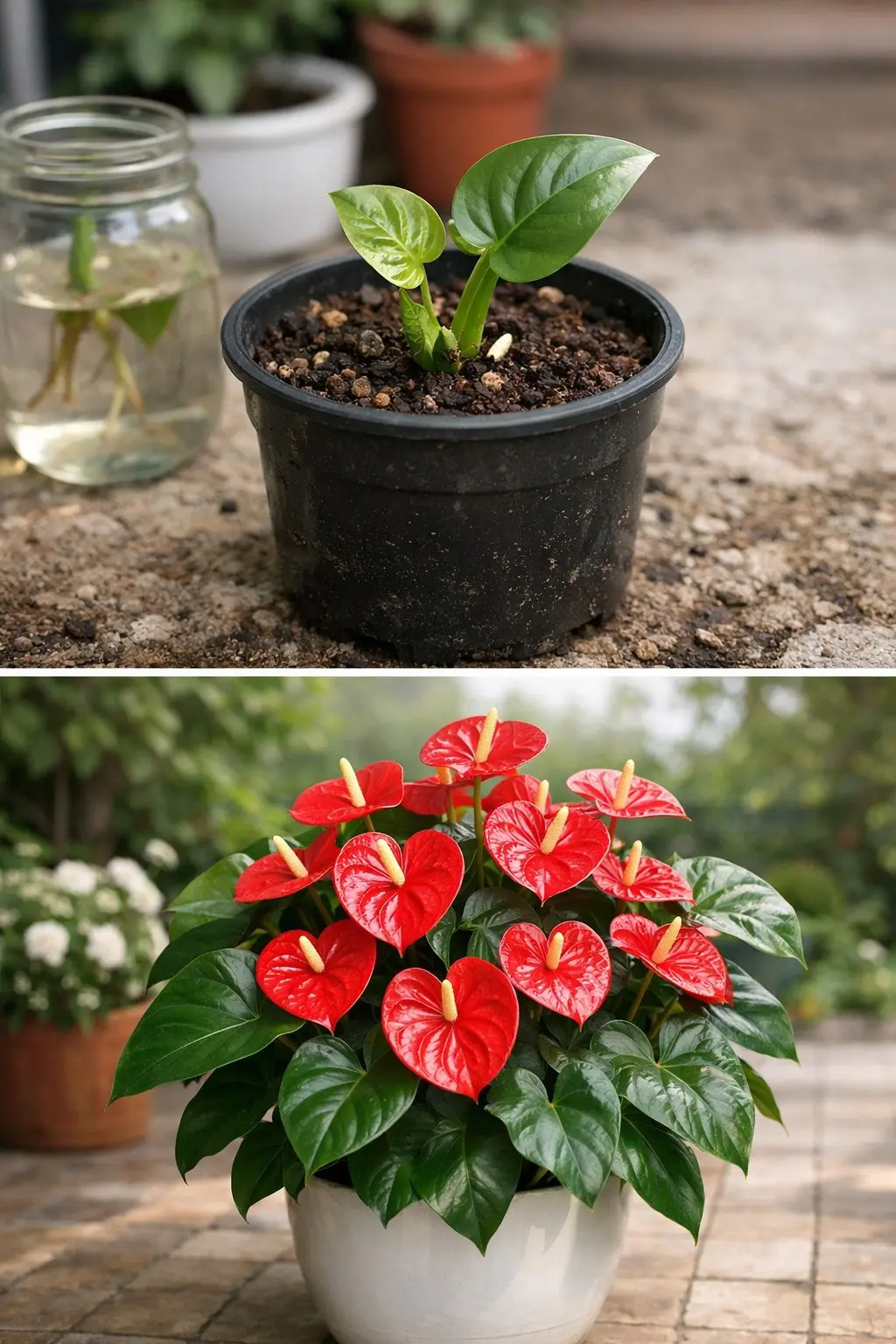
Anthuriums, with their glossy leaves and vivid, heart-shaped blooms, are some of the most elegant indoor plants you can grow. However, getting these tropical beauties to bloom consistently can sometimes be a challenge. If your anthurium has been a little shy about flowering lately, there’s a simple and unexpected trick that might bring it back to life: a slice of bread.
It may sound odd, but regular white bread—something most of us have in our kitchen—can be used as a natural fertilizer to stimulate blooming. Here’s how it works and how you can use this method to transform your anthurium into a blooming showstopper.
Why Bread?
Bread contains starches, natural sugars, and small amounts of nutrients like phosphorus and potassium, which are beneficial for plant growth. When broken down in soil, bread acts as organic matter that feeds the microbial life around the roots. These microbes help improve nutrient availability and create a more fertile environment for the plant.
While bread isn’t a substitute for a balanced fertilizer, it can be an effective occasional boost for flowering plants like anthuriums. Used correctly, this trick can encourage strong root development and stimulate flowering.
How to Use Bread for Anthuriums
Here’s a simple step-by-step method to apply bread as a natural blooming booster:
What You Need:
- 1 slice of plain white bread (avoid flavored or seeded varieties)
- A small amount of water
- A container or bowl
- A spoon
- Potting soil (if repotting)
- Optional: banana peel or used coffee grounds for extra nutrients
Instructions:
- Break and Soak the Bread
Tear the slice of bread into small pieces and place them in a bowl. Add a little bit of water and mash it up with a spoon until it forms a soft paste. You want the mixture to be moist but not overly soggy. - Add Optional Nutrient Boosters
For even better results, you can mix in a small amount of mashed banana peel or a teaspoon of used coffee grounds. Banana peels provide potassium, while coffee grounds add nitrogen—both of which support healthy blooming. - Apply the Mixture
Make a small hole in the top layer of the soil around your anthurium, being careful not to damage the roots. Place a spoonful of the bread mixture into the hole and cover it with a little soil. Water lightly to help the nutrients begin to absorb. - Monitor and Repeat Occasionally
Use this bread booster once every 4–6 weeks. Overdoing it can attract mold or pests, so moderation is key. Observe how your anthurium responds and adjust as needed.
Other Tips to Encourage Blooming
Using bread is a helpful trick, but consistent care is what truly makes an anthurium thrive. Here are some additional tips to maximize flowering:
- Light: Anthuriums love bright, indirect light. Direct sunlight can scorch their leaves, while too little light can prevent blooms.
- Humidity: These tropical plants prefer humidity levels of 60% or higher. Mist the leaves or place a humidifier nearby if your air is dry.
- Watering: Keep the soil lightly moist but not soggy. Let the top inch of soil dry out before watering again.
- Feeding: Use a balanced, water-soluble fertilizer every 6–8 weeks during the growing season.
- Repotting: If your plant has outgrown its pot or the soil has become compacted, consider repotting it in fresh, well-draining soil.
What to Expect
You may start to see new growth or blooms within a few weeks after using this natural bread-based treatment. The effect won’t be immediate, but as the nutrients break down and enrich the soil, your anthurium should respond with improved foliage and eventually, those striking red or pink spathes.
Final Thoughts
Natural remedies like this one are great for gardeners who enjoy experimenting with what they already have in the kitchen. A single slice of bread can serve as a subtle but effective growth booster for your anthurium, helping it flourish and bloom beautifully.
Just remember: balance is everything. While bread can support flowering, it works best alongside good plant care practices like proper watering, lighting, and feeding. With a little attention and this easy trick, you’ll soon have a thriving, blooming anthurium to admire all year round.
