
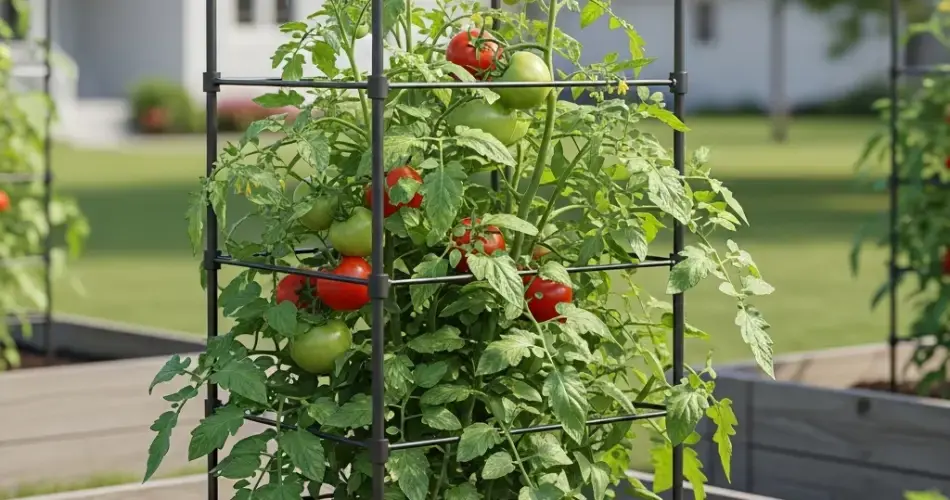
Tomatoes are one of the most rewarding crops for home gardeners, whether on a sunny balcony, patio, or backyard plot. Yet, despite their popularity, many gardeners struggle with plants sprawling across the ground, producing fewer fruits, and becoming more vulnerable to pests and diseases. The secret to overcoming these challenges lies in providing proper support. Training tomatoes up metal grids is one of the most efficient and productive methods to achieve abundant harvests while keeping plants healthy and manageable.
Why Train Tomatoes Vertically?
Tomato plants are naturally vining and can grow unruly if left without guidance. When plants sprawl across the soil, fruits are more prone to rot, pests, and fungal problems. Training them vertically on a grid system solves these problems while offering several benefits:
- Higher yields – Vertical growth encourages better air circulation and light exposure, which translates to stronger, more productive plants.
- Space efficiency – Perfect for small gardens or balconies, metal grids allow gardeners to grow more plants in less space.
- Cleaner fruit – Tomatoes held above the soil are less likely to suffer from rot or insect damage.
- Ease of care – Pruning, watering, and harvesting become simpler when plants are trained upward.
- Aesthetic value – Vertical tomato plants climbing grids can create an attractive green wall that doubles as functional food production.
Choosing the Right Metal Grid
Not all support systems are created equal. A metal grid offers durability and strength that surpasses wooden stakes or flimsy cages. When selecting a grid:
- Material – Galvanized steel or coated iron resists rust and stands up to outdoor conditions.
- Height – Choose a grid at least 5–6 feet tall, as many tomato varieties grow vigorously.
- Stability – Secure the grid firmly in the ground or against a wall to prevent tipping as plants become heavy with fruit.
- Grid spacing – Openings of 4–6 inches are ideal, allowing you to weave stems through while providing ample support.
Repurposed metal fencing or welded wire panels also make excellent budget-friendly options for tomato training.
Preparing Tomato Plants for Training
To successfully grow tomatoes on a metal grid, start with healthy seedlings. Whether growing determinate (bushy) or indeterminate (vining) varieties, most benefit from vertical support. Indeterminate types, such as cherry or beefsteak tomatoes, particularly thrive when trained upward since they continue producing throughout the season.
Plant tomatoes in nutrient-rich, well-draining soil with plenty of compost or organic fertilizer. Position the metal grid behind or above the planting row at the time of planting. This ensures that roots are not disturbed later when inserting supports.
Training Techniques
Training tomatoes up a grid is simple but requires consistency:
- Weaving stems – As plants grow, gently guide the main stem and side shoots through the grid openings. This prevents stems from flopping outward.
- Tying loosely – Use soft garden ties, cloth strips, or twine to secure branches to the grid. Avoid tying too tightly, as stems expand over time.
- Pruning suckers – Remove small shoots that form at the junction of the main stem and branches. This directs energy toward fruit production and maintains a tidy structure.
- Supporting fruit clusters – Heavier clusters can be tied directly to the grid to prevent breakage.
Regularly check the plants, especially during rapid summer growth, to adjust ties and guide new growth upward.
Watering and Feeding
Tomatoes trained vertically need consistent care to produce high yields. Because they grow more vigorously, they require:
- Even watering – Keep soil evenly moist but not waterlogged. Mulching helps reduce evaporation and prevents soil splashing on leaves.
- Nutrient support – Apply a balanced fertilizer or compost tea every few weeks to sustain heavy fruit production.
- Sunlight – Place grids in a location with at least 6–8 hours of direct sun daily for optimal growth.
Harvesting Made Simple
One of the biggest advantages of metal grid training is the ease of harvesting. With fruits held off the ground and spread along the vertical frame, tomatoes are easy to spot and pick. This minimizes damage to the plant and reduces the risk of stepping on fragile stems or fruits hidden in dense foliage.
Harvest tomatoes when they are fully colored and slightly soft to the touch. Frequent picking encourages the plant to continue producing more fruits.
Integrating Metal Grids into Your Garden
Metal grids are not only functional but also versatile. They can be set up in rows, attached to balcony railings, or even used as free-standing dividers between garden spaces. Some gardeners use them to create “living walls,” training multiple tomato plants across a wide grid for both shade and productivity.
Pairing tomatoes with companion plants such as basil or marigolds beneath the grid can enhance growth, deter pests, and add visual appeal to your vertical garden.
Final Thoughts
Training tomatoes up metal grids is a practical, space-saving method that delivers healthier plants and abundant harvests. By lifting plants off the ground, you reduce disease risk, improve air circulation, and make care and harvesting easier. Whether you’re gardening on a balcony, patio, or in a backyard, this technique helps you get the most from each plant.
With a sturdy metal grid, a little pruning, and regular guidance, your tomatoes will climb skyward, rewarding you with baskets of juicy, sun-ripened fruits all season long.
