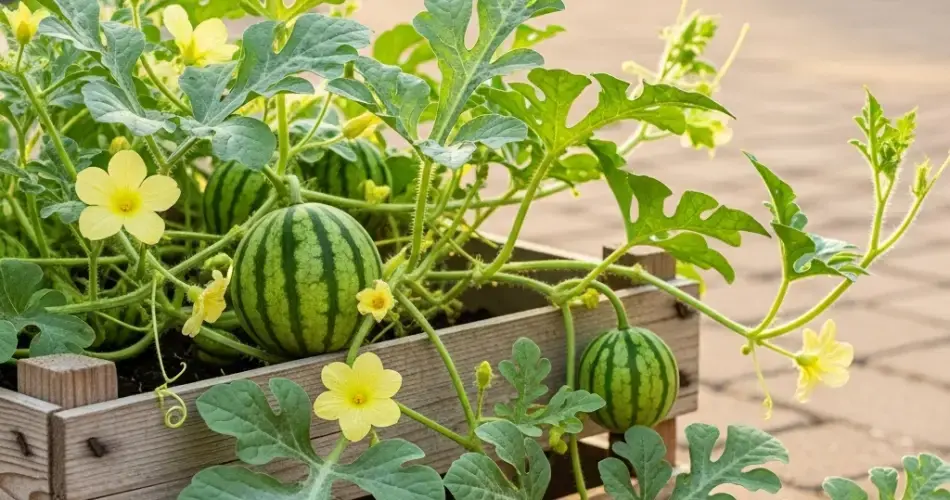
Watermelons are the ultimate summer fruit—juicy, refreshing, and packed with natural sweetness. Traditionally, they require sprawling garden beds or open fields, which discourages many small-space gardeners from attempting to grow them. However, with careful planning and a little creativity, you can grow watermelons successfully in wooden crates on patios, balconies, or compact backyards. Crate gardening gives you control over soil, saves space, and makes watermelon cultivation accessible to almost anyone.
Here’s a detailed step-by-step guide to help you raise healthy watermelon vines and harvest delicious fruits, all from a simple crate garden.
Step 1: Select the Right Variety
Not all watermelons are suitable for crate gardening. Large, heavy types can overwhelm limited space, so choose compact or dwarf varieties. Some excellent options include:
- Sugar Baby: A classic small watermelon, averaging 8–10 pounds.
- Bush Jubilee: A semi-compact variety that grows well in containers.
- Golden Midget: Early-maturing and small-sized, ideal for confined areas.
- Mini Love: A seedless option bred for compact growth.
These varieties produce manageable fruits without requiring vast amounts of ground space.
Step 2: Prepare the Crates
Watermelons need deep, roomy containers to develop strong roots. A sturdy wooden crate can double as a planter with a few adjustments.
- Size: Choose crates at least 18–24 inches deep and wide.
- Lining: Line the inside with landscape fabric or burlap to hold soil while allowing drainage.
- Drainage holes: Ensure several holes are drilled at the bottom to prevent waterlogging.
- Soil mix: Fill with nutrient-rich, well-draining soil. A mix of compost, loamy soil, and perlite works well.
Since watermelons are heavy feeders, starting with fertile soil gives them the best chance at thriving.
Step 3: Plant the Seeds or Seedlings
- Timing: Plant seeds after the danger of frost has passed and when temperatures consistently stay above 70°F (21°C).
- Planting depth: Sow seeds 1 inch deep in the soil. If using seedlings, transplant them gently to avoid disturbing roots.
- Spacing: Place 2–3 seeds per crate and thin to the strongest seedling once they sprout. For large crates, you may grow two vines.
Step 4: Provide Proper Support
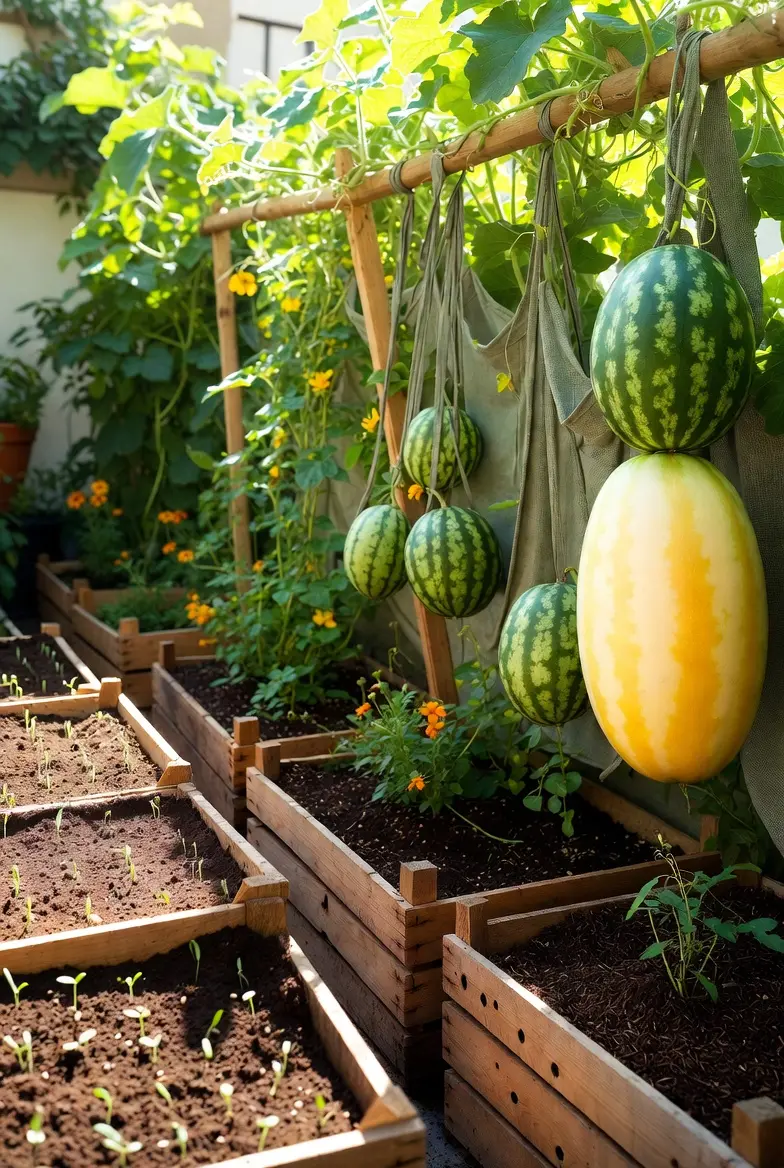
Although watermelons naturally sprawl across the ground, crate gardening benefits from vertical support to save space and protect fruits.
- Trellises: Attach a strong trellis or wooden frame to guide vines upward.
- Slings: As fruits develop, support them with fabric or mesh slings tied to the trellis to prevent vines from breaking.
This setup maximizes space while keeping fruits elevated and clean.
Step 5: Water and Feed Regularly
Watermelons are thirsty plants, especially while setting fruit.
- Watering schedule: Provide deep watering 2–3 times a week, keeping the soil consistently moist but not waterlogged. Reduce watering slightly as fruits near ripening to concentrate sweetness.
- Fertilization: Feed with a balanced fertilizer during early growth, then switch to a phosphorus- and potassium-rich formula once flowers appear. Avoid excessive nitrogen after flowering, as it promotes leaves instead of fruit.
Step 6: Support Pollination
Watermelons require pollination to produce fruit. In crate gardens, where fewer pollinators may visit, you might need to assist.
- Hand-pollination: Use a small brush to transfer pollen from male to female flowers. Female flowers can be identified by the small fruit swelling at their base.
- Pollinator-friendly plants: Grow companion flowers like marigolds or nasturtiums nearby to attract bees.
Step 7: Monitor Plant Health
Healthy vines lead to sweeter fruits. Keep an eye out for common issues:
- Pests: Watch for aphids, cucumber beetles, or spider mites. Neem oil or insecticidal soap can help manage infestations.
- Diseases: Powdery mildew and root rot are potential problems. Ensure proper airflow and avoid overwatering to prevent fungal growth.
- Pruning: Trim excess vines to direct energy toward fruit development. Leave only a few strong fruits per vine for larger harvests.
Step 8: Harvest at the Right Time
Knowing when to harvest is key to enjoying sweet, juicy melons. Look for these signs:
- The fruit’s underside turns from white to creamy yellow.
- The tendril nearest the fruit stem dries and turns brown.
- The melon gives a deep, hollow sound when tapped.
Carefully cut the stem with sharp garden shears, leaving a short length attached to the fruit.
Step 9: Enjoy and Reuse
Once harvested, watermelons can be stored in a cool, shaded place for about a week, or refrigerated for longer freshness. After the season ends, refresh the soil in your crate with compost and prepare it for another planting—whether more melons or a different crop.
Conclusion
Growing watermelons in crates may sound ambitious, but with proper planning and attention, it’s not only possible but highly rewarding. By selecting compact varieties, preparing sturdy crates, providing vertical support, and ensuring consistent care, you can enjoy homegrown watermelons from even the smallest urban garden.
This step-by-step approach proves that delicious summer fruits aren’t reserved for sprawling fields—they can thrive right on your balcony, deck, or patio. With patience and care, a wooden crate can transform into your own mini melon patch, delivering refreshing rewards all season long.
