
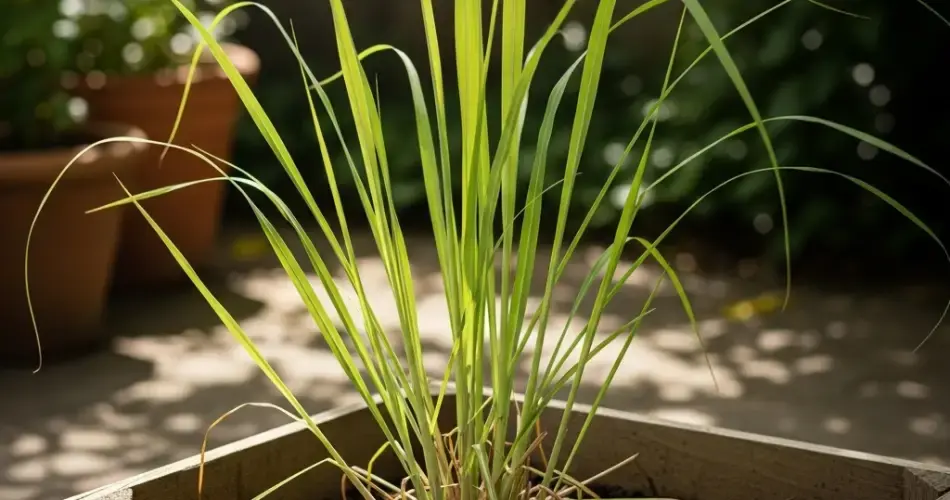
Lemongrass is a versatile herb that combines culinary usefulness with aesthetic appeal. Known for its citrusy aroma and fresh flavor, it is a staple in Asian cooking and herbal teas. Beyond the kitchen, it also doubles as a natural mosquito repellent, making it a multipurpose plant for the home garden. While many gardeners grow it directly in the ground, rustic crate beds offer a stylish and practical way to cultivate fresh lemongrass in your backyard. These wooden containers not only recycle old materials but also provide the perfect conditions for this hardy herb to thrive.
Why Choose Crate Beds for Lemongrass?
Crate beds bring a rustic, eco-friendly charm to your garden while giving you control over soil quality and drainage. Lemongrass is a clumping plant with dense roots, so it needs space to spread out. Large crates offer just the right depth and width for root development. Since crates are portable, you can shift them around the backyard to find the sunniest spot, which is especially beneficial for this heat-loving plant. Additionally, growing in crates helps avoid issues with poor native soil or ground pests.
Selecting and Preparing Crates
The best crates for lemongrass are sturdy, untreated wooden ones, at least 18–20 inches deep. This depth gives the roots room to expand while supporting the tall, grassy leaves above. If you’re repurposing old crates, line the inside with landscape fabric or burlap to hold the soil in place while still allowing drainage. Drill multiple holes at the bottom if they aren’t already present, since good drainage is essential for lemongrass. To extend the life of the wood, consider raising the crate slightly off the ground with bricks or wooden blocks.
Soil Requirements
Lemongrass thrives in nutrient-rich, well-draining soil. For crate beds, a homemade soil mix works best. Combine:
- 50% high-quality potting soil for structure and aeration
- 30% compost to add organic nutrients
- 20% sand or perlite to prevent waterlogging
This mix provides the balance of nutrients and drainage needed for strong growth. Before planting, you can also mix in a handful of slow-release organic fertilizer to give the plant a head start.
Planting Lemongrass
You can start lemongrass from seeds, stalks, or young plants purchased from a nursery. The quickest method is planting rooted stalks or divisions. If you buy fresh stalks with the base intact, place them in a jar of water until roots and shoots appear. Once rooted, transplant them into the crate bed, spacing them about 6 inches apart. Plant them deep enough to cover the roots but keep the leafy shoots above the soil. Lemongrass naturally grows in clumps, so planting multiple stalks in one crate creates a lush and productive container.
Sunlight and Watering
Lemongrass thrives in full sun, needing at least 6–8 hours of direct light daily. Place your rustic crate beds in the sunniest corner of your backyard, or against a south-facing wall where heat radiates onto the plant.
When it comes to watering, lemongrass prefers consistently moist soil but not soggy conditions. Crates tend to dry out faster than garden beds, especially in hot weather, so check the soil regularly. Water whenever the top inch feels dry. Adding mulch, such as straw or dried leaves, on top of the soil helps conserve moisture and keeps the roots cool.
Feeding and Care
Feed your lemongrass every 4–6 weeks during the growing season with compost tea, organic fertilizer, or a balanced liquid feed. This encourages healthy foliage and ensures a steady supply of usable stalks. Trim away dry or brown leaves to keep the plant tidy and encourage new growth.
One advantage of crate beds is their portability. If you live in a cooler climate, you can move the crates to a sheltered area or even indoors during winter. In frost-prone regions, lemongrass may not survive outdoors, so portability makes overwintering much easier.
Harvesting Lemongrass
You can start harvesting stalks once the plant is well established, usually after 3–4 months. Select mature stalks from the outside of the clump, cutting or pulling them close to the base. The tender lower portion of the stalk is most commonly used in cooking, while the tougher leaves are ideal for making teas or infusions. Regular harvesting encourages fresh new growth, keeping your crate bed productive throughout the season.
Benefits of Rustic Crate Beds
- Eco-friendly reuse – Give old crates a second life.
- Portability – Easily move plants to sunnier spots or protect them from frost.
- Soil control – Create ideal soil conditions regardless of native ground quality.
- Aesthetic appeal – Rustic wooden crates add charm to your garden.
- Space efficiency – Perfect for small backyards or as part of an herb corner.
Final Thoughts
Rustic crate beds provide an attractive, sustainable, and effective way to grow lemongrass at home. They combine style with practicality, giving your backyard both function and flair. With the right crate setup, nutrient-rich soil, regular care, and plenty of sunlight, you can enjoy a continuous harvest of fresh lemongrass.
Whether you use it in soups, curries, teas, or simply for its refreshing fragrance, crate-grown lemongrass is a rewarding addition to any herb garden. By embracing this method, you not only bring fresh flavors into your kitchen but also add rustic charm and sustainability to your gardening practices.
