Lemongrass, with its refreshing citrus aroma and distinct flavor, is a versatile plant widely used in teas, soups, and stir-fried dishes. Beyond its culinary uses, it also serves as a natural mosquito repellent and ornamental plant, adding both function and beauty to any backyard. While it thrives in the ground, lemongrass can be successfully grown in crates, making it an excellent choice for gardeners who want a portable, space-saving, and creative planting option.
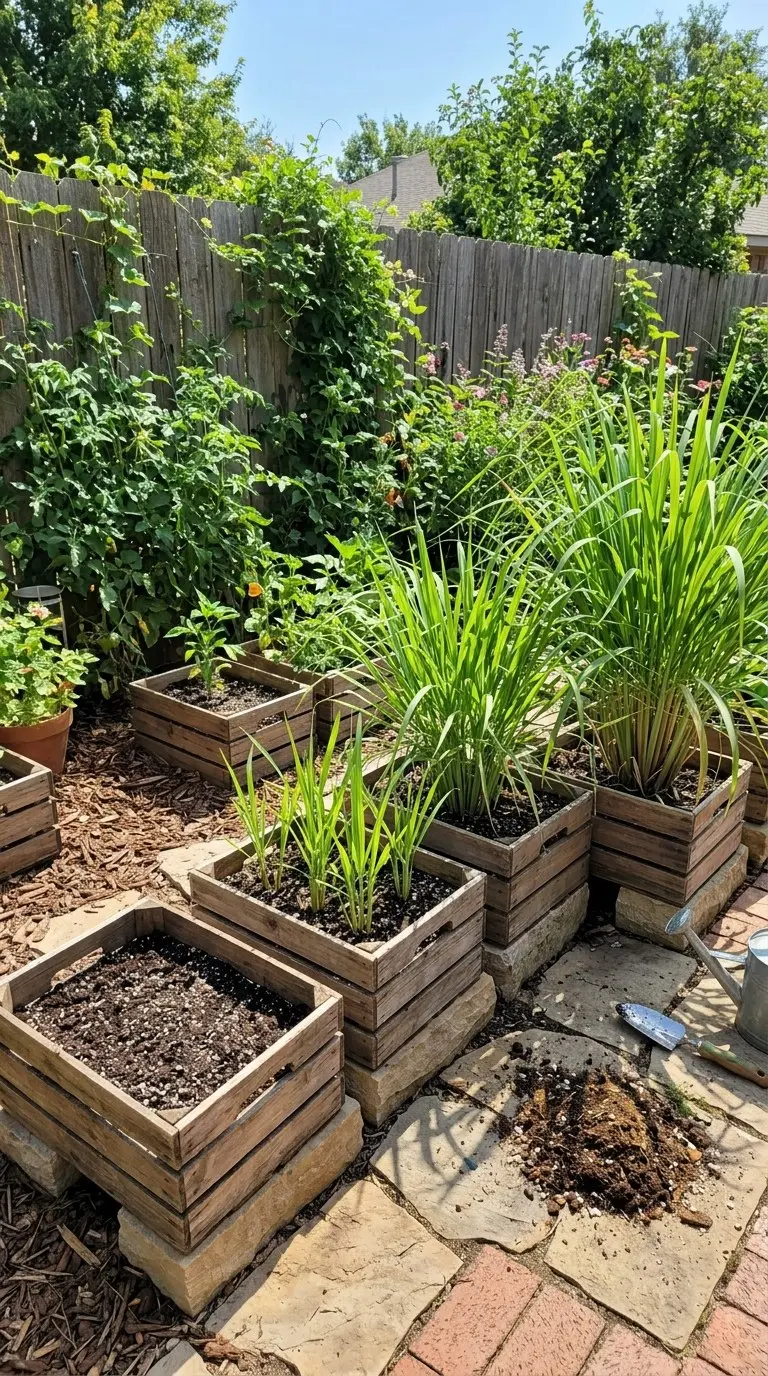
Crate gardening combines practicality with style. By reusing wooden crates, you create sustainable planters that provide ample root space for plants like lemongrass, which develops in clumps and requires room to spread. Here’s a detailed guide on how to grow healthy, thriving lemongrass in backyard crate gardens.
Choosing the Right Crate
Lemongrass develops a dense root ball and tall, grass-like foliage, so your planter needs to be sturdy and deep. Select a wooden crate that is at least 18–20 inches deep and wide to accommodate healthy growth. To prevent the crate from rotting over time, use untreated but durable wood and line the inside with landscape fabric or burlap. Ensure the bottom has multiple drainage holes, as lemongrass dislikes waterlogged soil. Elevating the crate on bricks or wooden blocks will also help with drainage and airflow.
Soil Preparation
The key to healthy lemongrass is well-draining yet nutrient-rich soil. A good mix for crates includes:
- 50% high-quality potting soil for structure
- 30% compost to supply organic nutrients
- 20% coarse sand or perlite for aeration and drainage
This balance ensures roots don’t sit in soggy soil, while also providing enough nutrients for consistent growth. Mixing in a handful of organic fertilizer or slow-release pellets at planting time will give your lemongrass an early boost.
Planting Lemongrass
You can grow lemongrass either from seeds, stalk cuttings, or nursery-bought young plants. The fastest method is planting stalks or divisions. If you purchase fresh lemongrass stalks with a bit of base intact, you can root them in water for a few weeks until new shoots appear, then transplant them into your crate.
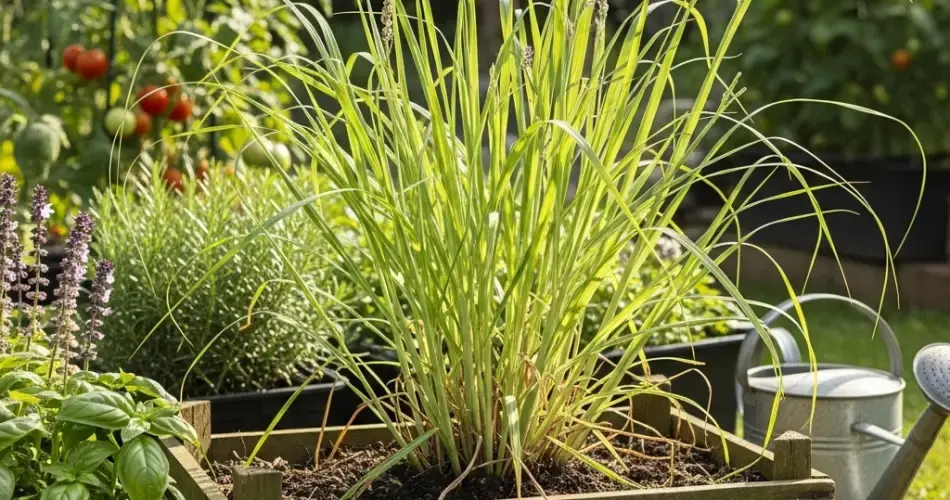
When planting, space each stalk about 6 inches apart in the crate. Plant them at a depth where the root base is covered but the shoots remain above the soil. Lemongrass thrives in clusters, so planting several stalks together will create a lush and productive clump.
Sunlight and Positioning
Lemongrass loves warmth and sunlight. Place your crate in a sunny backyard spot where it will receive at least 6–8 hours of direct sunlight each day. If you live in a cooler climate, consider placing the crate against a south-facing wall where it will benefit from reflected heat. Because crates are portable, you can shift them during the seasons to optimize light exposure.
Watering and Feeding
Lemongrass prefers consistent moisture, but not soggy soil. Check the top inch of soil regularly, and water when it feels dry. In hot summer months, crates may dry out more quickly than garden beds, so you may need to water more frequently.
Feed the plant every 4–6 weeks during the growing season with organic fertilizer, compost tea, or a balanced liquid feed. This will keep the leaves vibrant and encourage strong clump formation. Mulching the soil surface with straw or dried leaves will also help retain moisture and keep roots cool.
Maintenance and Care
Lemongrass requires minimal maintenance once established. Prune back older, brown leaves regularly to make room for new shoots. During colder months in temperate climates, crates can be moved to sheltered areas or indoors to protect the plant from frost. If overwintering indoors, reduce watering and place the crate in a bright, sunny location.
Keep an eye out for pests such as spider mites or aphids, though lemongrass is relatively resistant. If pests appear, a mild soap spray or simply rinsing the leaves with water usually resolves the issue.
Harvesting Lemongrass
Harvesting can begin once the clumps are well established, usually a few months after planting. Select mature stalks from the outside of the clump, leaving younger ones in the center to continue growing. Cut or pull the stalks close to the base, and trim off the woody tops, keeping the tender lower portion for cooking.
The leaves can also be harvested for making tea, though they are tougher than the stalks. Drying or freezing harvested stalks allows you to preserve their flavor for future use.
Advantages of Crate Gardening for Lemongrass
- Portability – Crates can be moved around the backyard to capture sunlight or avoid harsh weather.
- Space Efficiency – Ideal for small backyards or as part of a mixed herb garden.
- Soil Control – You can provide the perfect growing medium without worrying about poor native soil.
- Sustainability – Repurposing wooden crates reduces waste while adding rustic charm.
Final Thoughts
Growing lemongrass in backyard crate gardens is a practical and rewarding approach for both beginner and experienced gardeners. With the right crate setup, soil mix, and care routine, your lemongrass will thrive, providing you with a steady supply of aromatic stalks and leaves for the kitchen while enhancing your backyard with lush greenery.
This method not only makes growing lemongrass accessible in limited spaces but also adds a decorative and eco-friendly touch to your garden. Whether you’re cooking, brewing tea, or simply enjoying its natural fragrance, crate-grown lemongrass is a versatile addition to any backyard garden.
