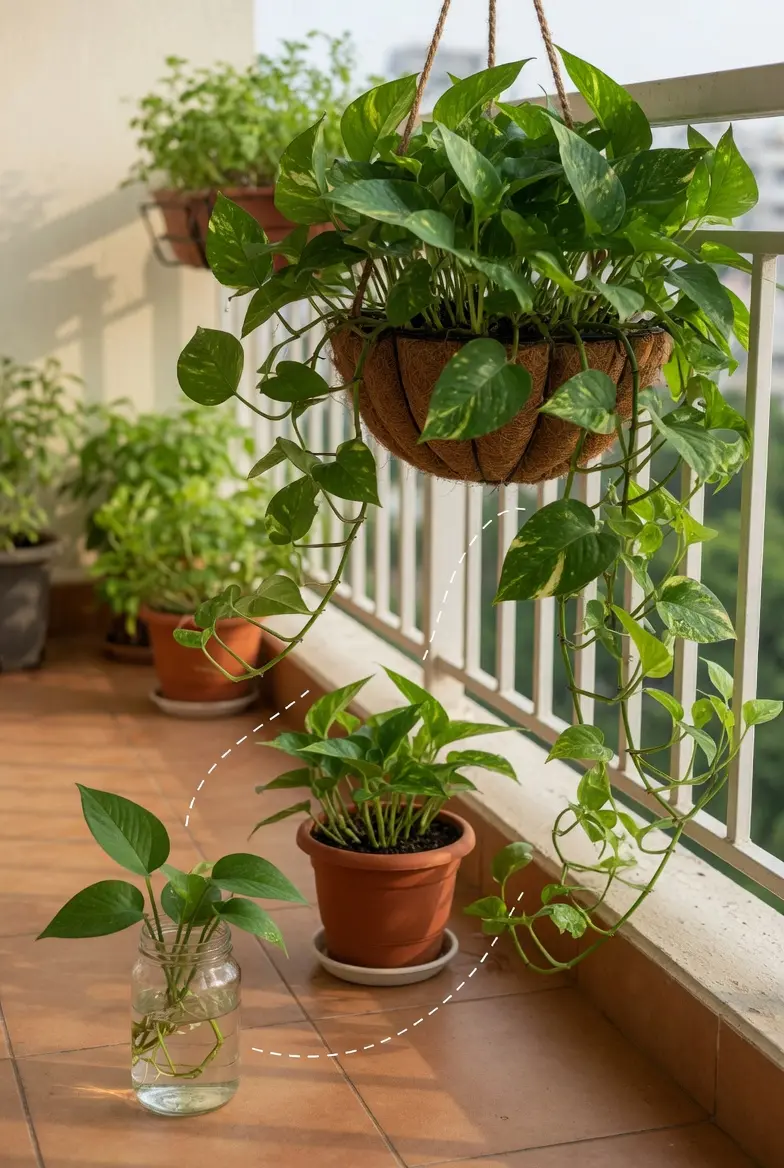
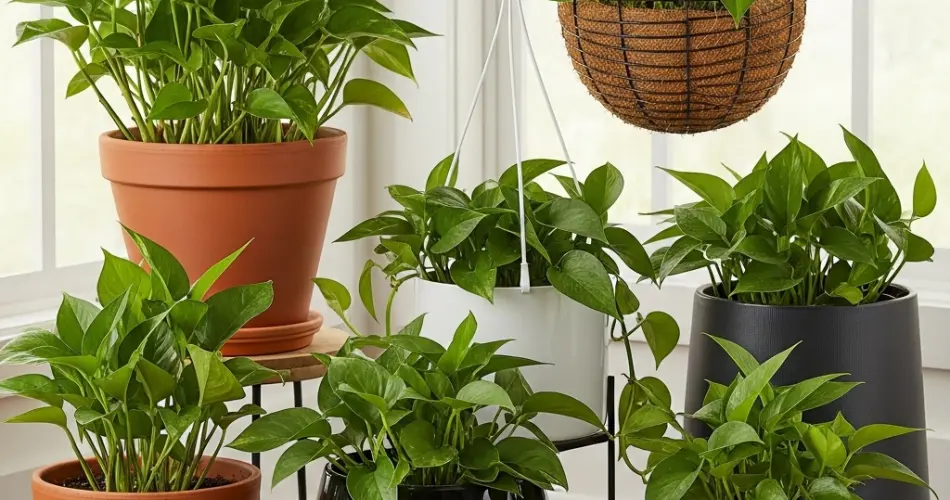
Pothos (Epipremnum aureum), often called devil’s ivy, is one of the most beloved and forgiving houseplants you can grow. With its cascading vines and glossy, heart-shaped leaves, pothos adds an instant touch of lush greenery to any home. It’s famous not only for its beauty but also for its resilience—thriving in a wide range of light conditions and requiring little maintenance.
Whether you’re new to houseplants or a seasoned indoor gardener, growing pothos in containers on a sunny windowsill is one of the best ways to showcase its full potential. With proper care, you’ll enjoy vigorous growth, vibrant foliage, and a living décor accent that purifies your indoor air while brightening your space.
This complete guide covers everything you need to know—from choosing the right pot and soil to watering, feeding, pruning, and troubleshooting common issues—to help your pothos flourish.
Why a Sunny Windowsill Is Perfect for Pothos
A sunny windowsill provides exactly what pothos craves: bright, indirect light. While pothos can tolerate low-light corners, it truly thrives when given sufficient filtered sunlight. Under the right lighting, its leaves become more vibrant, and variegated varieties—such as golden or marble queen pothos—display richer color contrasts.
Placing pothos on a windowsill also keeps it easily accessible for watering, pruning, and admiring. Plus, it transforms an ordinary window into a stunning green focal point.
Choosing the Ideal Container
The container you select plays a major role in your plant’s health.
- Size: Pick a pot that’s only slightly larger than the plant’s root ball. An oversized pot retains excess moisture, which can lead to root rot, while a small one restricts growth.
- Material: Terracotta and ceramic pots are excellent choices because they allow air circulation around the roots, helping to prevent overwatering. Plastic pots are lighter and retain moisture longer, making them a good option if you live in a warm or dry climate.
- Drainage: Above all, make sure your pot has drainage holes. Without proper drainage, even the healthiest pothos can suffer from soggy roots and decay.
Preparing the Perfect Soil Mix
Pothos thrives in well-draining, nutrient-rich soil. A high-quality indoor potting mix works perfectly, especially when combined with perlite, coco coir, or coarse sand to improve aeration. The goal is to create a mix that holds moisture but never becomes compact or heavy.
Commercial tropical plant or aroid mixes are also suitable since they mimic the airy, organic environments pothos naturally loves.
How to Pot or Repot Your Pothos
When planting or repotting your pothos, follow these simple steps:
- Fill your pot about halfway with slightly moist potting mix.
- Gently remove the plant from its old container, loosening any tightly bound roots.
- Position the plant in the new pot and fill around it with soil, pressing gently to eliminate air pockets.
- Water thoroughly until excess water drains from the bottom.
- Place the pot on your sunny windowsill, where it can bask in bright, indirect light.
Repot every one to two years or when roots start growing out of the drainage holes.
Light and Temperature Requirements
Pothos prefers bright, indirect sunlight. Too much direct light, especially during the afternoon, can scorch its leaves and cause brown patches. A north- or east-facing window is ideal, or you can use a sheer curtain to diffuse strong sun rays.
Optimal temperatures range between 65°F and 85°F (18°C to 29°C). Avoid placing your pothos near cold drafts, heaters, or air conditioners, as sudden temperature changes can stress the plant.
Watering the Right Way
One of the most common mistakes with pothos is overwatering. The plant prefers its soil to dry out slightly between waterings.
- Test the top inch or two of soil with your finger; if it feels dry, it’s time to water.
- Water thoroughly until it drains out of the bottom, then empty the saucer to avoid standing water.
- Reduce watering in winter when growth slows down.
Yellowing leaves or mushy stems are signs of excessive moisture, while drooping or crispy leaves indicate the plant needs more water.
Feeding and Fertilizing
Pothos doesn’t require much fertilizer, but occasional feeding helps maintain vigorous growth.
- Use a balanced, water-soluble fertilizer diluted to half strength.
- Feed every 4–6 weeks during spring and summer, when the plant is actively growing.
- Stop fertilizing in fall and winter, allowing your pothos to rest naturally.
If your plant’s growth slows or the leaves lose their shine, it might need a nutrient boost—but always avoid over-fertilizing, as it can burn the roots.
Pruning for Shape and Health
Regular pruning keeps pothos attractive, compact, and full. Trim long or leggy vines to encourage branching and bushier growth. Always make cuts just above a leaf node, where new shoots will emerge.
Remove yellow or damaged leaves promptly to direct the plant’s energy toward healthy growth.
Pruning also provides an opportunity to propagate new plants—simply place cuttings in water until roots appear, then transfer them into soil for a new thriving pothos.
Common Problems and Their Solutions
Even though pothos is hardy, it can occasionally show signs of stress. Here’s how to troubleshoot:
- Yellow leaves: Usually from overwatering or poor drainage. Allow the soil to dry out and check for root rot.
- Brown leaf tips: Often due to low humidity, underwatering, or too much direct sunlight. Increase humidity or move to filtered light.
- Leggy vines: Indicate insufficient light—move closer to a brighter spot.
- Pests: Watch for mealybugs, aphids, or spider mites. Wipe leaves with a damp cloth or apply mild insecticidal soap if needed.
Keeping leaves clean and dust-free not only prevents pests but also improves photosynthesis.
Propagating Pothos: Multiply Your Greenery
Pothos is one of the easiest houseplants to propagate. Cut a 4–6 inch stem below a leaf node, remove the bottom leaves, and place the cutting in water or moist soil. Within two to four weeks, roots will form. Once the roots reach about an inch long, transplant your new plant into a pot.
Propagation lets you expand your indoor garden effortlessly—or share the joy of growing pothos with friends.
The Benefits of Growing Pothos Indoors
Pothos offers more than just aesthetic appeal:
- Air purification: It helps filter common indoor toxins.
- Low maintenance: Perfect for busy individuals or beginners.
- Decor versatility: Can trail, climb, or hang beautifully in any setting.
- Mood boost: Its vibrant greenery adds calm and freshness to your home environment.
Conclusion
Growing pothos on your sunny windowsill is a simple yet deeply satisfying way to bring nature indoors. With the right pot, soil, and care routine, this resilient vine will reward you with lush, cascading growth and radiant leaves all year long.
Whether displayed as a hanging plant, a tabletop accent, or a trailing centerpiece, pothos adapts to your space and lifestyle effortlessly. By following these straightforward tips, you can transform your windowsill into a thriving green sanctuary—proof that even the easiest houseplants can deliver extraordinary beauty when given a little attention and light.
