:max_bytes(150000):strip_icc():format(webp)/how-to-grow-and-care-for-california-poppies-4686987-01-fb9c1a1298d54860815c047241788198.jpg)
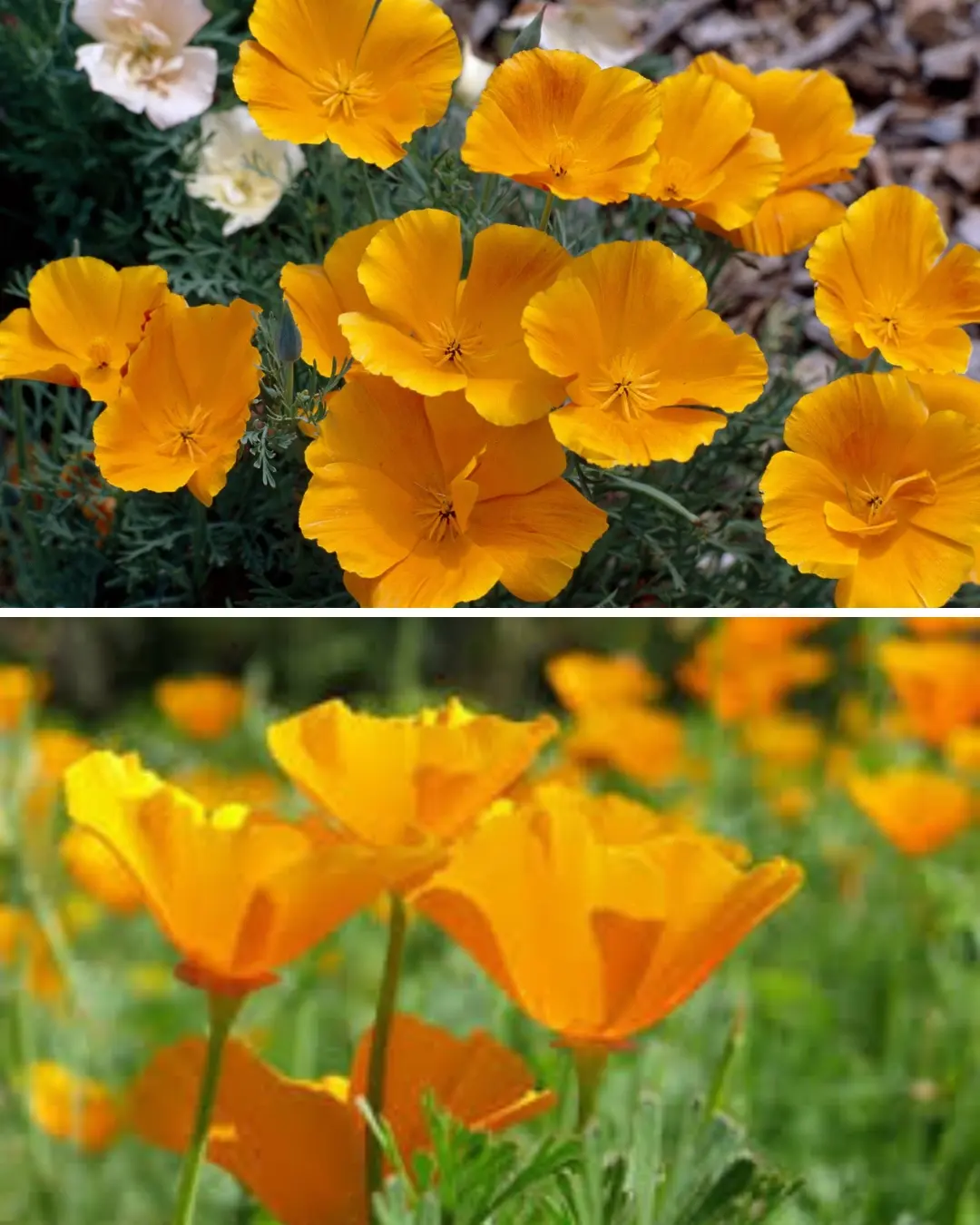
California poppies, or golden poppies, are vibrant flowers recognized for their radiant orange blooms. These plants, which can be short-lived perennials in warmer regions, are often cultivated as annuals due to their adaptability. Thriving in full sunlight and diverse soil types, they not only enhance gardens with color but also attract pollinators. However, it’s important to note that California poppies are toxic to people and some animals, so it’s crucial to carefully select where you plant them.
| Common Name | California poppy, golden poppy |
| Botanical Name | Eschscholzia californica |
| Family | Papaveraceae |
| Plant Type | Annual, herbaceous |
| Mature Size | 1-2 ft. tall, 1-2 ft. wide |
| Sun Exposure | Full |
| Soil Type | Sandy, well-drained |
| Soil pH | Acidic, neutral |
| Bloom Time | Spring, summer |
| Flower Color | Orange, yellow |
| Hardiness Zones | 6–10 (USDA) |
| Native Area | North America |
| Toxicity | Toxic to people, animals |
California Poppy Care
Here are the main care requirements for growing California poppies:
- Choose a sunny location that gets at least six hours of direct sunlight.
- Plant in sandy, well-drained soil.
- Water sporadically; only needs occasional water.
- No fertilization is needed when growing as an annual.
- Deadhead for more blooms or leave heads on for reseeding for the next growing season.
:max_bytes(150000):strip_icc():format(webp)/how-to-grow-and-care-for-california-poppies-4686987-02-6468674a60e64d55b0616c6feb5ac984.jpg)
:max_bytes(150000):strip_icc():format(webp)/how-to-grow-and-care-for-california-poppies-4686987-5-b4f4a98422564a4fa4822d9d73b33a3b.jpg)
:max_bytes(150000):strip_icc():format(webp)/how-to-grow-and-care-for-california-poppies-4686987-03-210f00fcaf404e3fa3c873ea463bb050.jpg)
Light
California poppies thrive with six or more hours of sunlight daily. Shady conditions can cause them to look ragged and succumb to diseases.
Soil
Many flowers need rich, loamy soil, but California poppies can thrive in poor soils. Sandy and rocky soils both provide suitable conditions for California poppies. Heavy clay soil doesn’t work because these plants need sharp soil drainage. Try planting in a raised garden bed or container if you have clay soil.
Water
California poppies require very little water and are good candidates for drought-tolerant xeriscapes. Sporadic spring rainfall is usually adequate to irrigate the plants. In areas with hot summers, the plants will often go dormant and need no additional irrigation during this time.
Temperature and Humidity
The warming of the soil in the spring, combined with moisture from the spring rain, will trigger the germination of California poppy seeds. California poppies will continue to grow as long as temperatures remain mild, between 50 and 75 degrees Fahrenheit. Excessive heat can cause dormancy.
However, when cool temperatures return, the plants often will regrow and even rebloom. Moreover, California poppies prefer low to moderate humidity levels. In high humidity, good soil drainage and airflow around the plants are essential for them to stay healthy.
Fertilizer
No fertilizer is necessary to successfully grow California poppies, even in areas with nutrient-poor soil. Adding chemical fertilizers can cause excess foliage growth at the expense of blooms.
Types of California Poppies
There are several popular cultivars of California poppies:
- E. californica ‘Mission Bells’ offers a mix of sherbet hues, including pink, salmon, and cream, with some semi-double blooms (blooms with extra petals).
- E. californica ‘Golden West’ offers a twist on the familiar orange flower featuring a darker center.
- E. californica ‘XL Jelly Beans’ offers large blooms in a mix of colors, including salmon, marigold, and light pink.
:max_bytes(150000):strip_icc():format(webp)/GettyImages-978353792-a834309a0ce64ede813e086a3188e927.jpg)
:max_bytes(150000):strip_icc():format(webp)/GettyImages-185300293-1909f607e02b45a7b784bf9bda2771ed.jpg)
Propagating California Poppies
Propagating California poppies is best done by sowing seeds in the spring. California poppies do not like to have their roots disturbed. Also, once cut, the flowers and stems of the plant quickly fade.
How to Grow California Poppies From Seed
California poppies are fast growing. It takes about 55 to 90 days for California poppies to mature. Depending on the temperature and conditions, germination can take 10 to 30 days.
- Sow poppy seeds where you intend to grow them outdoors after the threat of frost has passed in your area.
- Press the seeds lightly into the soil, watering gently to avoid dislodging the tiny seeds.
- You can distinguish germinating poppy seeds from weeds by observing the bluish-green tint of poppy foliage.
- Thin seedlings to about 8 inches apart.
Potting and Repotting California Poppies
California poppies do not transplant well. They do not like their roots disturbed. If growing in a container, get a medium or large container with ample drainage holes for good drainage. If kept in containers, water more frequently than in-ground plants, at least every other day.
Plants grown in containers are typically short-lived and often treated as annuals. Many gardeners prefer to pull them after they bloom and plant new seeds the following growing season.
Overwintering
California poppies can withstand temperatures down to 20 degrees Fahrenheit. In cooler zones, they will enter dormancy in the winter. You can cut down the plants to the base or leave them as is. Mulch the ground above the roots for extra winter protection. For plants in warmer zones, mulch may keep the plants from going dormant.
Otherwise, the cold weather is welcome for the cold stratification of seeds that were dropped by flower heads earlier in the growing season for the next crop of plants in the spring.
Common Plant Diseases
California poppies are generally healthy plants, but they are prone to diseases when grown in an environment that experiences excessive rain. Mold, mildew, and stem rot can occur in plants growing in wet areas.
Although you can treat plants with fungicides, the best option is correcting the environment. Ensure that your poppies are in full sun and well-draining soil to prevent them from being waterlogged.
How to Get California Poppies to Bloom
California poppies are prolific bloomers, requiring full sun to bloom well. They will usually bloom after 60 to 90 days from seeds sown in the spring.
Bloom Months
California poppies can bloom anywhere from mid-March to early May, depending on the climate.
How Long Do California Poppies Bloom?
California poppies usually bloom from spring to early summer until peak heat sends them into dormancy. In cooler summer regions, they may bloom most of the summer.
What Do California Poppy Flowers Look and Smell Like?
The cheerful flowers seem to spring up overnight, blanketing large areas with their bright, silky petals and blue-green, fern-like foliage. The cups of California poppies are usually a yellow-orange gold color, often with a darker orange center. Its flowers can also come in red, pink, and white. California poppy flowers do not have much of a fragrance.
How to Encourage More Blooms
To encourage more blooms, deadhead the flowers once they fade. You can also cut down the stems to the ground if the plant enters summer dormancy. It may spur the plant to encourage more growth as soon as the weather cools in the late summer or early fall.
Deadheading Flowers
Deadheading (removing the spent blooms) can promote additional flowering. Also, deadheading will prevent the flowers from self-seeding, if desired.
Common Problems With California Poppies
California poppies are easy to maintain. The key is providing them with growing conditions that mimic their native habitat. Their native habitat is the Pacific Coast from Baja California to western Oregon.
Floppy Stems
Overly-wet soil can cause mildew and fungi to develop. Keep the plants in full sun and well-draining soil.
Wilting, Yellowing, or Browning
Insufficient water will cause leaf wilt, yellowing, browning, or leaf drop. Water deeply every few days. Do not give frequent light water.
Once temperatures peak, reaching the 90s for long periods, the plants will naturally die back due to the heat. This condition is normal; they usually return once the temperature cools. During dormancy, they will not require any additional care until they return.
