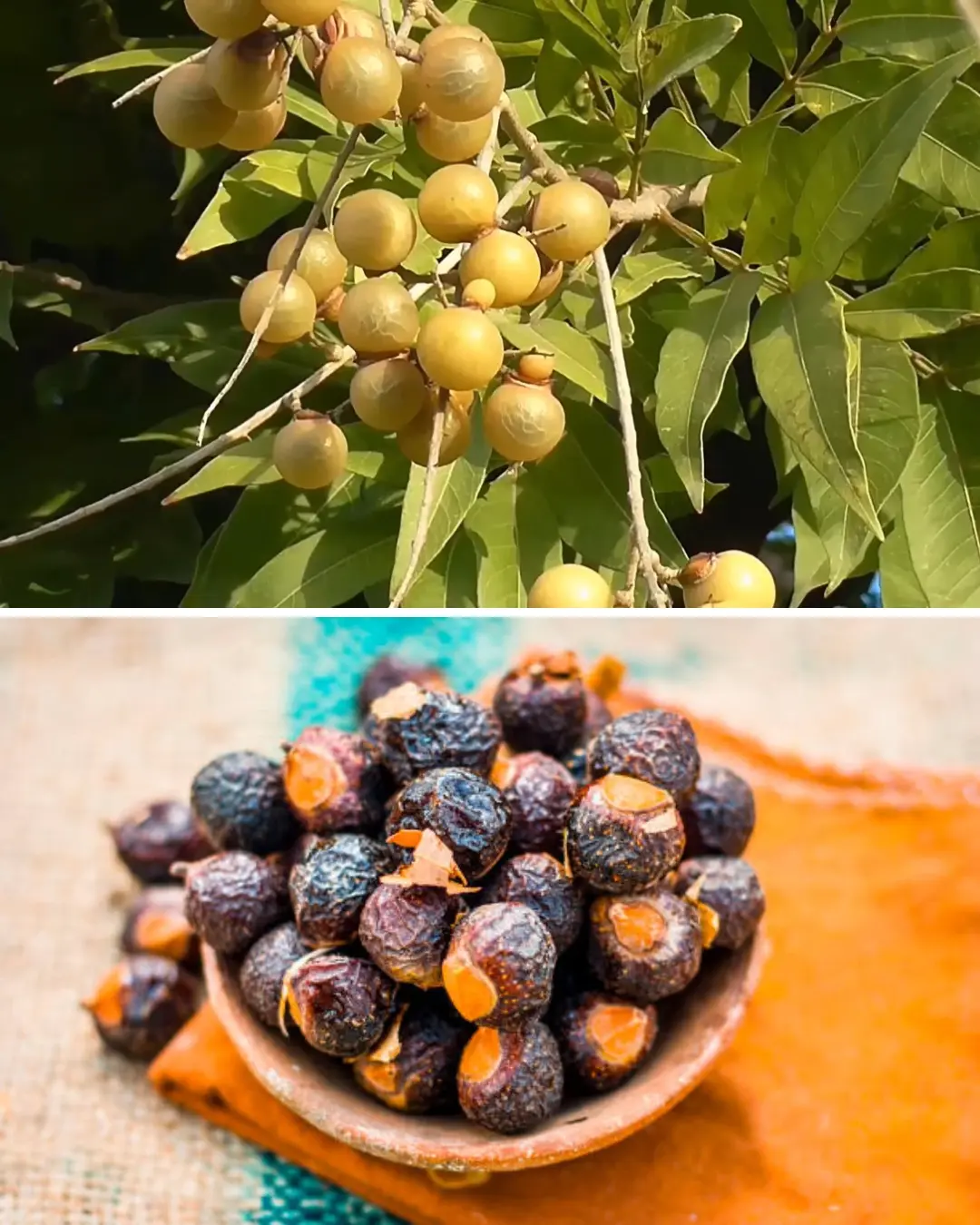
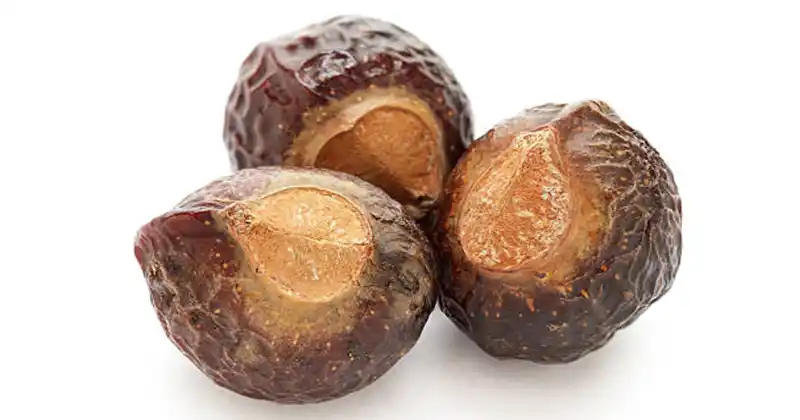
Soapberries, often called soap nuts, are the dried fruits of trees belonging to the genus Sapindus. These berries have been traditionally used in many cultures as a natural cleaning agent thanks to their high saponin content—a natural plant compound that lifts dirt and acts like soap when mixed with water.
Making your own liquid soap from soapberries is inexpensive, eco-friendly, and avoids the harsh synthetic chemicals found in commercial detergents.
Why Soapberries Work
Soapberries contain saponins, which are natural surfactants. They lower the surface tension of water, allowing it to penetrate fabrics and surfaces to lift away oils and grime. They are biodegradable, non-toxic, and carbon-neutral.
🛠 What You’ll Need
- Soapberries (dried): 12–15 shells (crush them slightly for better extraction).
- Water: 6 cups (1.4 liters) of filtered or clean tap water.
- Large pot
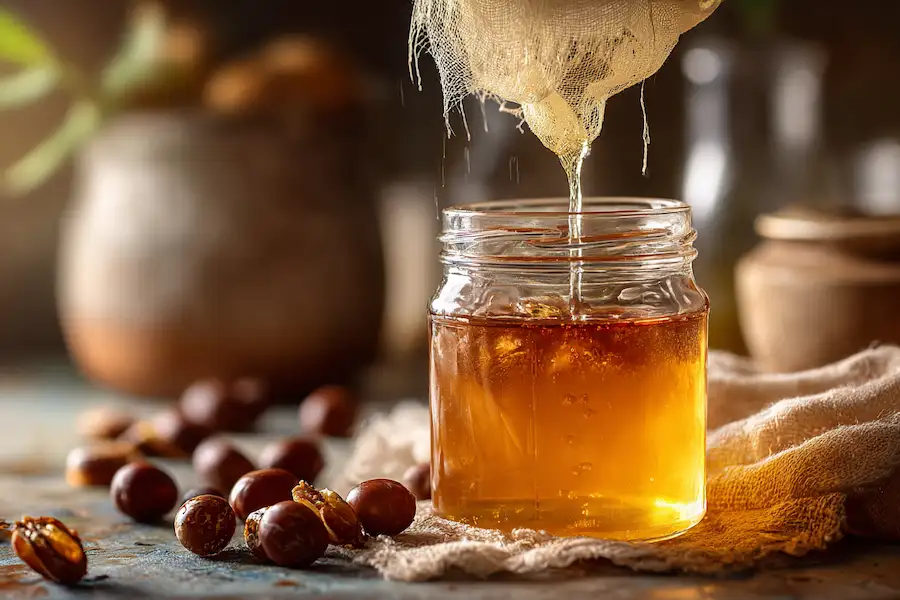
- Strainer: Fine sieve, cheesecloth, or a nut milk bag.
- Storage: Glass bottles or jars.
- Optional: Citric acid (for preservation) or Essential oils (for fragrance).
🧼 Making Basic Liquid Soapberry Soap
- Prep the Berries: Break the 12–15 dried soapberries into smaller pieces to expose more surface area. Add them to your pot with the water.
- Bring to a Boil: Place the pot on the stove and bring to a gentle boil. Once boiling, reduce heat to a simmer.
- Simmer and Steep: Let the berries simmer for 45–60 minutes. The water will turn cloudy and slightly amber—this is the saponin extracting. For a stronger concentrate, let it steep overnight after simmering.
- Strain: Strain the liquid into clean bottles. The spent berries can be composted or used as garden mulch.
- Add Boosters: If you want a longer shelf life, stir in 1/2 teaspoon of citric acid while the liquid is still warm. Once cool, add 10-15 drops of essential oils if desired.
- Store: Keep your soapberry liquid in the refrigerator. Because it is a natural fruit decoction, it can spoil if left in a warm laundry room for too long.
🚦 Performance in Real Life
Soapberry liquid has a unique “personality.” Understanding where it shines will save you frustration.
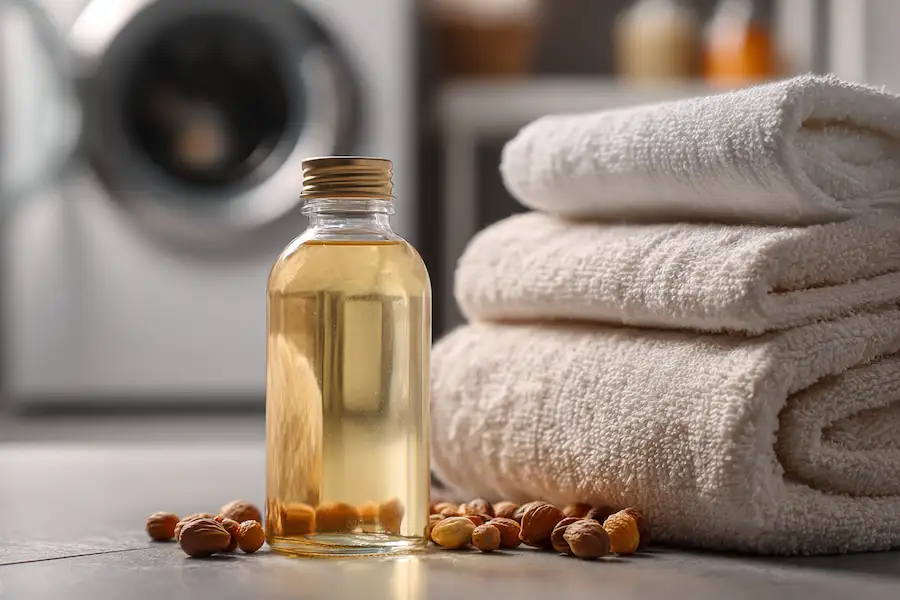
🧺 Laundry: The Gold Standard
The Perk: Naturally hypoallergenic and antifungal. It’s a dream for babies and those with eczema. It naturally relaxes fibers, so you can skip the fabric softener.
The Catch: It lacks bleaching agents. For bright whites, you must add a scoop of oxygen bleach (sodium percarbonate) to the load.
🧼 Hands & Body: Gentle but Sharp
The Perk: It has a skin-friendly pH (5.5–6) and won’t strip your natural oils.
The Catch: It stings significantly if it gets in your eyes—much more than “no-tears” commercial soap. Use extra caution when washing hair or children.
🍽️ Dishwasher: Use with Awareness
The Perk: No synthetic chemical residue on your plates.
The Catch: It lacks “sheeting agents.” Without a rinse aid (like plain white vinegar), you may see water spots on glassware, especially in hard water areas.
🧽 General Surfaces: All-Purpose Champion
The Perk: Non-toxic and safe for food-prep areas and pets.
The Catch: It is a cleaner, not a disinfectant. To kill bacteria on kitchen counters, add tea tree or eucalyptus oil to your spray bottle.
📊 Quick Compatibility Guide
| Task | Grade | Pro Tip |
| Delicate Fabrics | A+ | Best for silk and wool. |
| Pet Shampoo | A | Naturally deters fleas; keep away from pet’s eyes. |
| Glass/Mirrors | B+ | Dilute well for a streak-free shine. |
| Greasy Pans | C | Needs high heat and extra scrubbing for heavy grease. |
⚠️ Safety Note: While non-toxic on skin, soapberry liquid is not for ingestion. Keep out of reach of children and pets to prevent stomach upset. If the liquid smells sour or shows mold, discard and make a fresh batch.
