
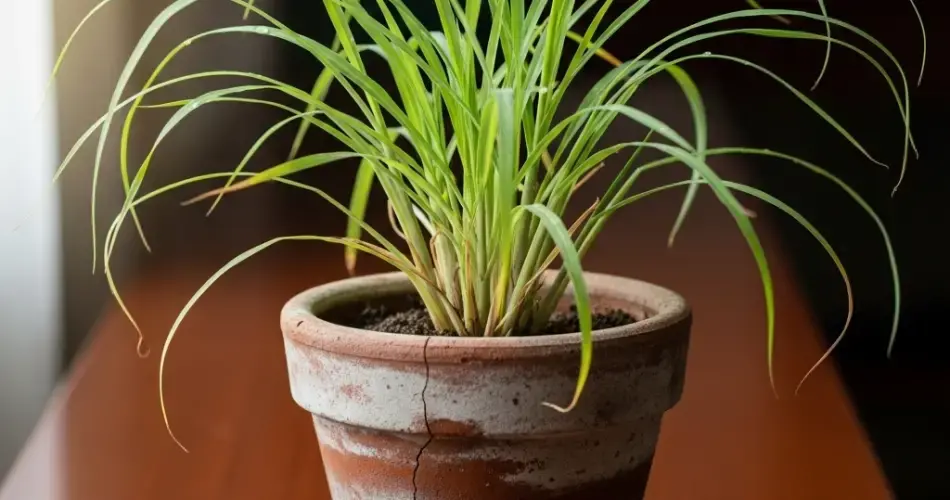
Lemongrass is a fragrant tropical herb that brings a burst of fresh, citrusy flavor to dishes. Commonly used in Asian cooking, teas, soups, and marinades, it is both flavorful and medicinal. While it is often grown outdoors in gardens, you don’t need a backyard to enjoy it. Lemongrass can thrive indoors, right in your kitchen, making it easy to snip fresh stalks or leaves while cooking. Growing it near your stove is not only practical but also enhances your kitchen with its refreshing scent and lush greenery.
This guide will walk you through how to successfully grow lemongrass indoors so you always have instant access to its flavor.
Why Grow Lemongrass in the Kitchen?
Keeping lemongrass indoors offers several benefits beyond culinary convenience:
- Instant Use While Cooking: No need to run outside—just cut a stalk or a few leaves while preparing meals.
- Fresh Aroma: The lemony fragrance naturally freshens the kitchen space.
- Compact Growth: Lemongrass adapts well to pots, making it suitable for small kitchens and apartments.
- Nutritional and Medicinal Value: Rich in antioxidants and known for soothing teas, lemongrass has multiple health benefits.
By placing the plant near your stove or on a sunny windowsill, you’ll have both decoration and flavor within reach.
Choosing the Right Container
Lemongrass develops long roots and needs enough space to grow well indoors. Choose a pot that is at least 10–12 inches deep and wide, with proper drainage holes. Clay or ceramic pots are ideal since they help regulate soil moisture.
Use a well-draining potting mix that includes compost for nutrients and perlite or sand to improve aeration. Avoid heavy soils that retain water, as excess moisture can lead to root rot.
Starting Lemongrass from Stalks
The easiest way to grow lemongrass indoors is by using fresh stalks rather than seeds. You can purchase stalks from the market or grocery store—just make sure they still have the bulb intact at the base.
Here’s how to get started:
- Select firm, healthy stalks with a pale base and some root tissue.
- Place the stalks in a glass of water, ensuring the bottom is submerged.
- Change the water every few days to keep it fresh.
- Within 1–2 weeks, roots and new shoots will begin to appear.
- Once roots are about 1–2 inches long, transfer the stalks into your prepared container.
This method ensures quicker growth and stronger plants compared to starting from seed.
Light and Placement
For strong growth, lemongrass requires at least 6–8 hours of bright light each day. Place the pot near a south-facing window where it can get maximum sunlight. If your kitchen lacks natural light, you can use a small LED grow light to supplement.
Since you’ll be keeping the pot close to your stove, be mindful of heat exposure. Avoid placing it directly where hot air or steam might damage the leaves, but keep it close enough for convenience when cooking.
Watering and Feeding
Lemongrass enjoys consistently moist soil but dislikes soggy conditions. Water whenever the top inch of soil feels dry, and ensure the excess drains away. During hot or dry indoor conditions, light misting helps maintain humidity around the plant.
To encourage lush green growth, feed the plant with a liquid fertilizer every 3–4 weeks. A balanced fertilizer works well, or you can use an organic compost tea for a natural boost.
Harvesting Lemongrass
One of the joys of keeping lemongrass indoors is how simple harvesting becomes. Once the stalks reach 12–18 inches tall, you can begin cutting them. To harvest:
- Gently pull or cut a stalk close to the base.
- Use the lower bulb and firm stalks for soups, curries, and teas.
- The upper leafy parts can be trimmed and used for infusions or dried for later.
For continuous supply, harvest the outer stalks first while letting inner stalks mature. This encourages steady regrowth without weakening the plant.
Benefits Beyond Cooking
Besides flavor, lemongrass serves multiple purposes in the kitchen:
- Natural Air Freshener: Its lemony scent neutralizes cooking odors.
- Herbal Tea: Freshly harvested leaves can be steeped for a calming tea.
- Mosquito Repellent: The aroma helps deter pests naturally.
- Decorative Touch: A pot of lemongrass adds greenery and charm to your kitchen.
Final Thoughts
Growing lemongrass near your stove is a practical and rewarding way to keep this versatile herb at your fingertips. With just a small pot, a sunny spot, and consistent care, you’ll have a constant supply of fresh stalks to elevate your meals. Beyond flavor, it enhances your kitchen environment with fragrance and beauty. For beginners and experienced gardeners alike, this is a simple yet fulfilling way to bring a touch of nature indoors while enjoying instant culinary benefits.
