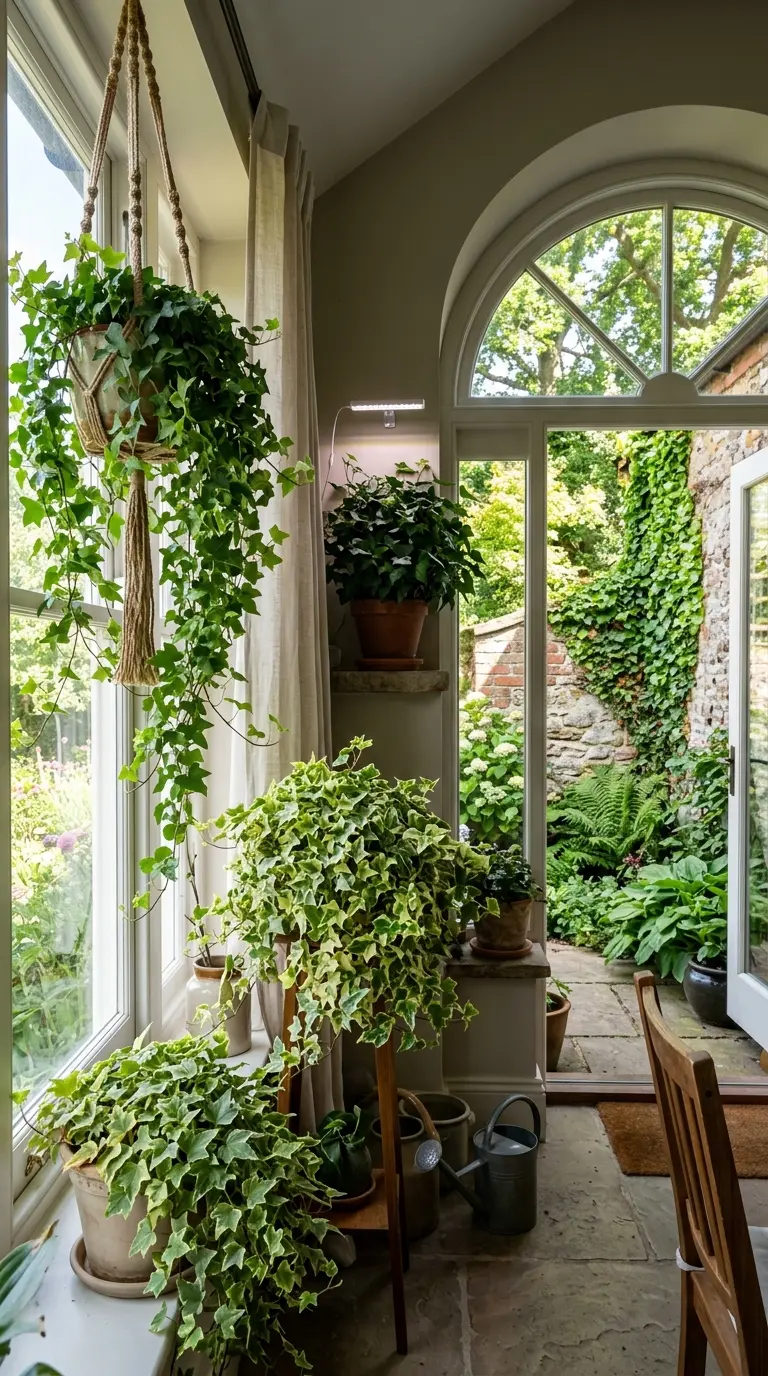
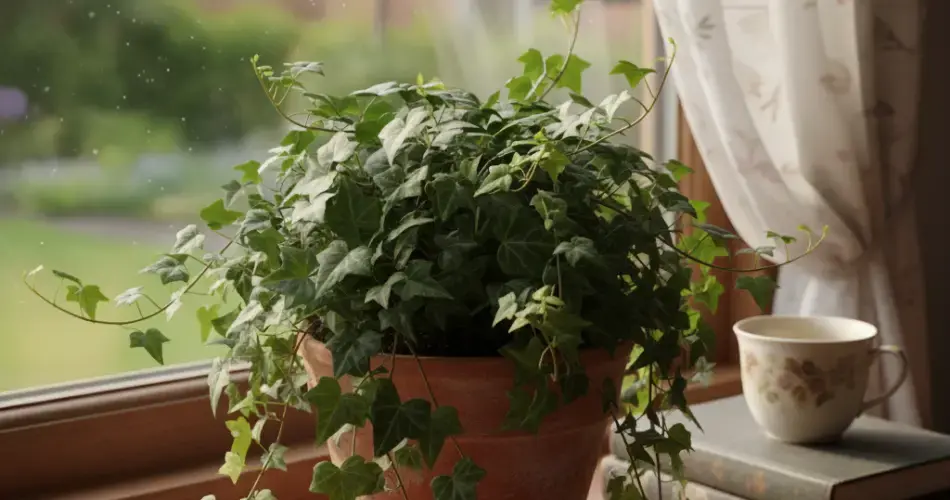
English ivy (Hedera helix) is one of the most versatile and elegant plants you can grow. Its trailing vines and evergreen leaves make it a popular choice for hanging baskets, ground cover, or as a climbing plant indoors and outdoors. While it is hardy and adaptable, the light it receives plays a major role in how well it thrives. One of the most common questions plant owners ask is whether English ivy does better in shade or bright light. The answer depends on your growing goals—whether you want dense foliage, vibrant variegation, or vigorous growth.
Natural Habitat and Adaptability
In the wild, English ivy grows as a ground cover in European and Asian forests, often climbing tree trunks and walls in partially shaded environments. This background makes it highly adaptable: it can tolerate shady corners, filtered sunlight, or even brighter exposures. However, different lighting conditions will influence its appearance and growth rate.
Growing English Ivy in Shade
English ivy is well known for its ability to tolerate shade, which is one reason it is so widely planted. In low-light areas, it continues to grow steadily, though at a slower pace than in brighter conditions.
In shade, expect:
- Darker green foliage, as the plant produces more chlorophyll to capture limited light.
- Slower but steady growth, making it easier to manage in indoor containers.
- Reduced variegation in patterned varieties, since lower light diminishes white or yellow streaks.
Shade-loving qualities make English ivy an excellent choice for indoor spaces such as offices or rooms with minimal natural light. However, while it will survive, it may not look as vibrant as it would with more light exposure.
Growing English Ivy in Bright Light
English ivy also adapts well to bright, indirect light. When given plenty of filtered light, it tends to grow more vigorously and display healthier, more decorative leaves.
In bright light, expect:
- Faster growth, with longer vines and fuller coverage.
- Stronger variegation in cultivars with cream, yellow, or pale green patterns.
- Denser foliage, creating a lush, vibrant appearance.
It’s important to note that direct sunlight, especially hot afternoon sun, can damage ivy leaves, causing them to scorch or dry out. For this reason, placing ivy near a bright window with a sheer curtain or in outdoor spaces with dappled light works best.
Indoor Light Recommendations
When grown indoors, English ivy thrives in conditions that mimic its natural woodland habitat—bright but not overly sunny. Ideal locations include:
- East-facing windows, which provide gentle morning light.
- North-facing windows, which offer consistent but not intense brightness.
- South- or west-facing windows, provided the light is filtered.
If you only have shady corners indoors, English ivy will adapt, but consider rotating the plant toward brighter spots occasionally to encourage more balanced growth.
Outdoor Light Requirements
Outdoors, English ivy is just as versatile. It can grow as ground cover in shaded gardens or climb walls and fences where it gets more light. The best outdoor conditions are partial shade to bright, filtered light.
- In heavily shaded gardens, ivy will thrive but may spread slowly.
- In brighter spots, it will grow more aggressively, so regular pruning is necessary to prevent it from overtaking other plants or structures.
Because it is such a vigorous grower outdoors, ivy often requires consistent trimming to keep it under control.
Artificial Light for English Ivy
If natural light is limited, English ivy responds well to artificial lighting. Fluorescent or LED grow lights can provide the brightness it needs to stay healthy indoors. Position lights about 12–18 inches above the plant and keep them on for 10–12 hours daily. This setup is especially useful in winter or in windowless rooms.
Seasonal Adjustments
English ivy may need different care depending on the season:
- Winter: Days are shorter, so move ivy closer to bright windows or use supplemental lighting.
- Summer: Protect it from harsh midday sun if grown outdoors, especially in hot climates.
Monitoring the plant and adjusting placement with seasonal light changes helps maintain consistent growth.
Signs of Too Much or Too Little Light
Your English ivy will let you know if lighting conditions are less than ideal:
- Too little light: Sparse growth, elongated stems, and fading variegation.
- Too much light: Yellowing, scorched, or crispy leaves.
- Ideal light: Dense foliage, strong variegation, and steady vine growth.
By paying attention to these signals, you can easily reposition your plant before long-term damage occurs.
Final Thoughts
So, does English ivy prefer shade or bright light? The truth is, it thrives in both—just in different ways. In shade, it adapts well, producing steady growth and darker leaves but with less dramatic variegation. In bright, indirect light, it becomes more vigorous, lush, and colorful, though it may need more frequent pruning.
For the healthiest and most attractive ivy, aim for bright but filtered light indoors or partial shade outdoors. This balance allows the plant to show off its best qualities while avoiding leaf scorch or weak growth.
With the right lighting conditions, English ivy can add timeless greenery and elegance to any space, whether trailing gracefully from a hanging basket, covering a garden wall, or brightening up an indoor corner.
