:max_bytes(150000):strip_icc():format(webp)/how-to-grow-quinoa-plants-at-home-5075467-hero-a5f0b90836a54bf9b663fbdc2a5e5441.jpg)
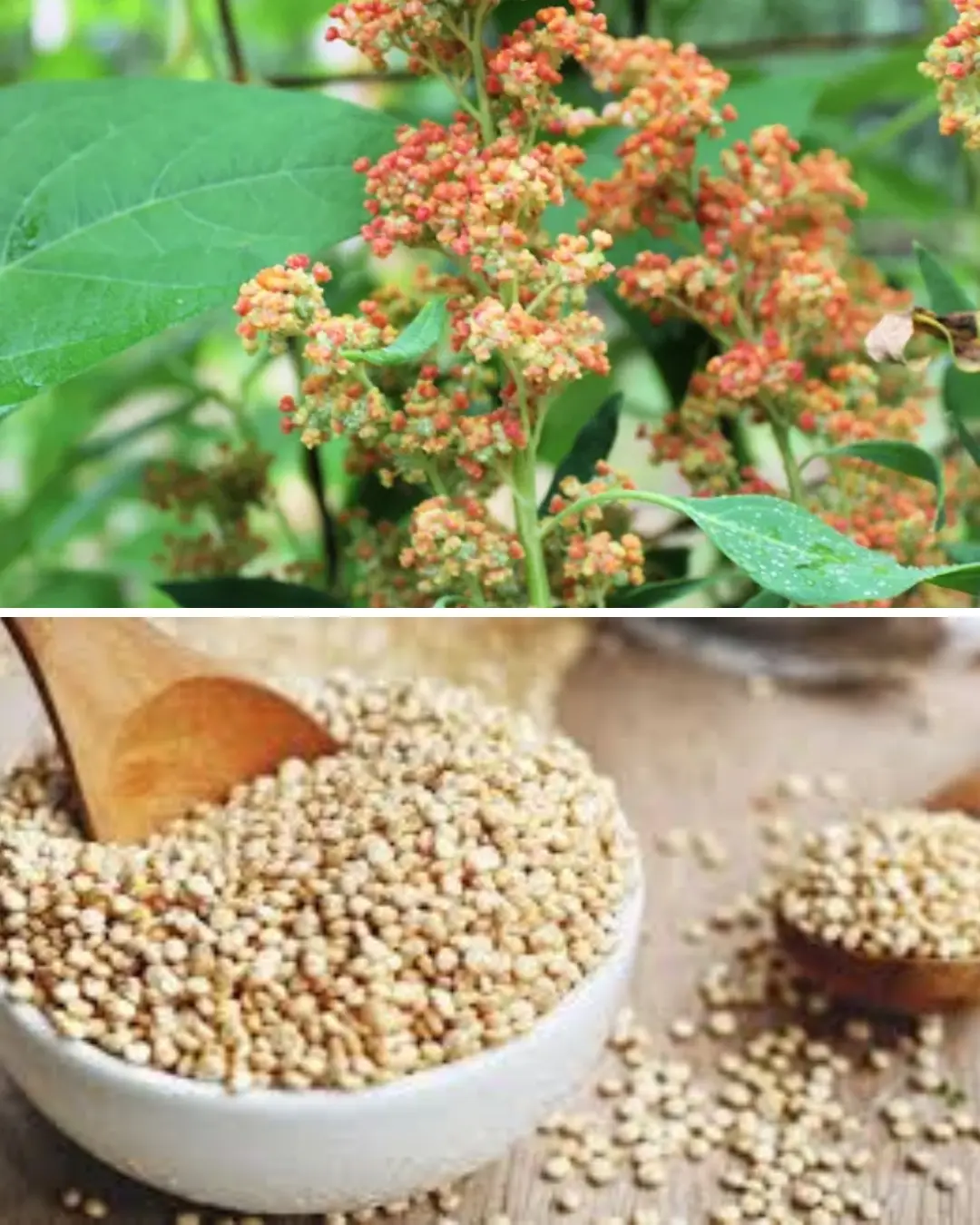
Quinoa is a versatile plant grown mainly for its edible seeds, which have been a staple in human diets for millennia. Commonly cooked like rice or ground into gluten-free flour, quinoa’s seeds are both nutritious and adaptable. To thrive, quinoa plants require ample sunlight, well-draining, nutrient-rich soil, and warm temperatures, making them an excellent choice for a home-grown superfood.
| Common Name | Quinoa |
| Botanical Name | Chenopodium quinoa |
| Plant Type | Herbaceous, annual, vegetable |
| Size | 3-7 ft. tall, 1-2 ft. wide |
| Sun Exposure | Full, partial |
| Soil Type | Loamy, well-drained |
| Soil pH | Acidic, neutral |
| Bloom Time | Summer |
| Hardiness Zones | 4-10 (USDA) |
| Native Area | South America |
How to Plant Quinoa
When to Plant
Quinoa is sensitive to frost. The seeds can either be direct sown after danger of the last frost has passed, or you can start the seeds indoors a few weeks before your last frost date. Quinoa is also sensitive to high heat (temperatures of 90 degrees Fahrenheit or higher), so it’s crucial to give the plants as much time in the ground as possible before risking peak summer temperatures.
Selecting a Planting Site
When selecting a planting site, choose an area that gets plenty of sunlight. However, keep in mind that quinoa plants can be harmed by high heat. An ideal spot may be one that doesn’t receive harsh, midday sunlight.
Spacing, Depth, and Support
When spacing your quinoa plants, keep one to two feet between each row. Within a row, space each seed about 2 inches apart, and plant them about 1/4 inch deep. Once the seedlings have a few inches of height, thin them so that there is a foot of space between each plant.
Quinoa plants should be staked, especially in areas that get severe thunderstorms and strong winds. These plants can become top-heavy as they mature. Any sort of stake or structure should do, as long as it’s sturdy.
Quinoa Care
Light
Quinoa plants grow well in a bright sunny location that receives several hours of direct light a day. However, partial shade from the most intense heat of the day is recommended.
Soil
Quinoa plants grow best in well-drained, loamy soil that is high in organic matter. Before planting, the soil should be amended with compost or fertilizer. Once the seedlings are several inches tall, mulch around the seedlings to prevent weeds and retain moisture.
Water
Quinoa seedlings require consistently moist (but not waterlogged) soil until they are established. Mature quinoa plants are considered relatively drought-tolerant, although they appreciate regular watering. Let the soil dry out slightly and then water thoroughly.
Temperature and Humidity
Quinoa plants are considered to be a cool-climate crop, and they do best when grown in cold, dry climates. High temperatures hinder the growth and seed development of quinoa plants, ultimately affecting the number of seeds that can be harvested.
Ideal temperatures for quinoa plants range between 95 degrees Fahrenheit during the day and 25 degrees Fahrenheit at night. When growing quinoa plants from seed, ensure that the last frost has passed before sowing seeds in the garden as the delicate seedlings cannot tolerate frost.
Fertilizer
Quinoa plants require rich soil that is high in organic matter. Before planting, amend the soil with fresh compost or a balanced organic fertilizer. Beyond this soil preparation, quinoa plants do not require fertilization during the growing period.
Pollination
Quinoa plants are generally self-pollinating and should not require any manual assistance when it comes to pollination.
:max_bytes(150000):strip_icc():format(webp)/how-to-grow-quinoa-plants-at-home-5075467-06-42e2c2ffcca64f5eb624323eead53c38.jpg)
:max_bytes(150000):strip_icc():format(webp)/how-to-grow-quinoa-plants-at-home-5075467-07-0aefd64fd6e9455c85dedfb3be3d61e4.jpg)
:max_bytes(150000):strip_icc():format(webp)/how-to-grow-quinoa-plants-at-home-5075467-10-a50822bff59e434481335ee3cc8edfd4.jpg)
:max_bytes(150000):strip_icc():format(webp)/how-to-grow-quinoa-plants-at-home-5075467-11-f99e4b13ebd2459e9576907aa7c5f325.jpg)
:max_bytes(150000):strip_icc():format(webp)/GettyImages-564075471-d1c7e6f37cbb4da09bd667d5ccadc521.jpg)
Types of Quinoa
There are many cultivated types of quinoa, most of which are classified as either white, red, or black. Here are a few cultivars whose seeds you can find online to grow at home:
- C. quinoa ‘Brightest Brilliant’ provides an array of colorful blooms and is deer-resistant.
- C. quinoa ‘Red Head’ produces cloud-like formations of pinkish-red quinoa flowers and seeds.
- C. quinoa ‘Oro de Valle’ has seeds that are golden brown and are better at resisting mold.
- C. quinoa ‘Biobio’ delivers pink flower clusters that result in white seeds.
Quinoa vs. Amaranth
Quinoa seeds and amaranth seeds are very similar, as their host plants are all in the same plant family, Amaranthaceae. Both C. quinoa and Amaranthus species look about the same to the untrained eye and can produce flowers and seeds of multiple colors. Both are gluten-free, and both are sometimes referred to as “ancient grains.” Regarding their differences, amaranth has a stronger flavor, and it’s also higher in iron and protein than quinoa.
Harvesting
Quinoa plants are ready for harvest 90-120 days after planting. Once the leaves have fallen off and only the dried seed heads remain, the seeds are ready to be harvested. Fortunately, quinoa is simple to harvest—the seeds can be stripped upwards towards the stalk which easily dislodges them.
Once harvested, sift the fresh quinoa seeds using a grain sifter. Before storing, the quinoa seeds need to be thoroughly dried out. Spread the seeds out thinly on a tray and place it in the hot sun or near a heat source to dry. Dried quinoa can be stored in an airtight container in a cool, dry location for up to six months.
Pruning
There is no real need to prune quinoa plants. If the plant is becoming too top-heavy to stand up without falling, you may want to prune some of the leaves. Toppling over should not be an issue if the plant is properly staked.
How to Grow Quinoa from Seed
Quinoa seeds can be sown directly into the garden after the last frost has passed. In climates with warm winters, seeds can even be sown in late summer or early fall for a winter harvest. Soil temperature should be around 60 degrees Fahrenheit for seeds to sprout.
Before planting, prepare the garden bed by gently turning the soil and adding a layer of fresh compost. Space rows of seeds 12 inches apart, and 2 inches apart along each row. Plant 2-3 seeds together to ensure that at least one survives in each spot. After the seeds are sowed, cover with a thin layer of soil and spray the top of the soil lightly to moisten.
Quinoa seeds take approximately 4-5 days to germinate. Once seedlings sprout, thin out the rows to ensure there is only one plant every 10-12 inches. Keep seeds and seedlings consistently moist until well-established. Quinoa plants are usually ready for harvest 90-120 days after planting.
Common Pests
Fortunately, quinoa seeds are covered in a bitter substance called saponin which protects them from bird and pest damage. However, the leaves of quinoa plants are susceptible to infestations of aphids, flea beetles, leaf miners, and other common pests. Most viruses found in quinoa plants are transmitted by aphids or leafhoppers from other crops in the area, however, the seed production is usually unaffected. Generally, quinoa plants are hardy plants that are susceptible to few serious pests or diseases.
