
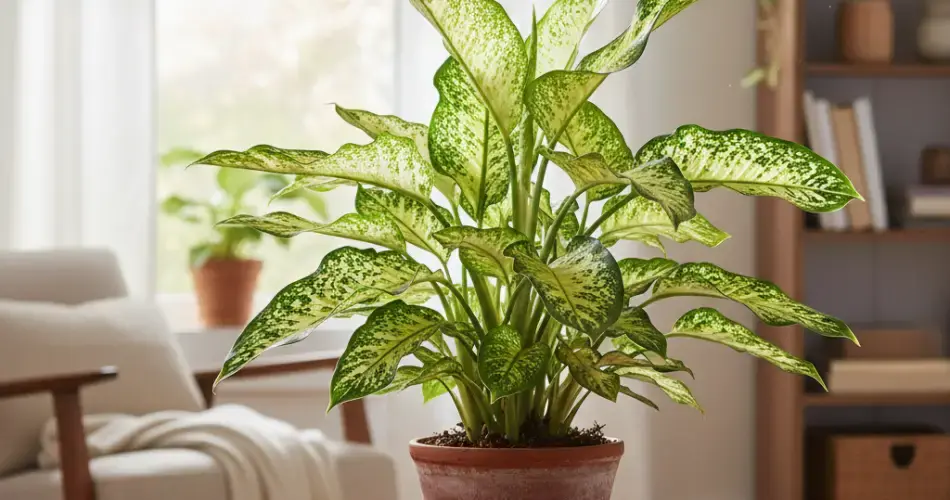
Dieffenbachia, commonly known as dumb cane, is a popular indoor plant prized for its large, variegated leaves and dramatic presence. Its tropical foliage brings a lush, exotic touch to homes, offices, and indoor gardens. Despite its beauty and relative ease of care, one question often arises among plant owners: How much sunlight does a Dieffenbachia plant really need? Understanding its light requirements is essential for promoting healthy growth, vibrant leaves, and long-term survival indoors.
Understanding Dieffenbachia Light Preferences
Native to the tropical rainforests of Central and South America, Dieffenbachia plants naturally grow under the canopy of larger trees. This environment exposes them to bright, filtered light, rather than harsh direct sunlight, shaping their preference for indirect illumination. While they are adaptable and can tolerate lower light levels, providing appropriate light is crucial for maintaining their variegated patterns, preventing legginess, and supporting overall plant vigor.
Ideal Sunlight Conditions
- Bright, Indirect Light: Dieffenbachias thrive in bright, filtered sunlight, such as that provided by an east- or north-facing window. This indirect light encourages strong growth, enhances leaf color, and supports the development of new foliage.
- Low Light Tolerance: Dieffenbachias can survive in lower light conditions, such as rooms with north-facing windows or interior spaces with limited natural sunlight. In low light, growth may slow, leaves may be smaller, and variegation may fade slightly, but the plant can remain healthy for extended periods.
- Avoid Direct Sunlight: Prolonged exposure to direct sun, especially from south- or west-facing windows, can scorch leaves, causing brown or yellow patches. Variegated varieties are particularly sensitive, and strong sunlight may fade or damage the leaf patterns.
Signs Your Dieffenbachia Is Receiving Too Much or Too Little Light
Monitoring your plant can help ensure it receives optimal sunlight:
- Too Little Light: Growth slows, leaves may turn darker or smaller, and stems may elongate in search of light, resulting in a leggy appearance. Variegated patterns may lose intensity, and overall foliage may appear dull.
- Too Much Light: Leaves may develop brown tips, scorch marks, or faded patterns. Excessive light stresses the plant and can reduce overall vitality.
- Optimal Light: Healthy Dieffenbachias display vibrant, well-defined variegation, firm stems, and lush, evenly spaced leaves. New growth appears regularly, and the plant maintains a balanced, upright form.
Tips for Providing Optimal Sunlight
- Select the Right Location: Place your Dieffenbachia near a bright window with indirect sunlight. East-facing windows are ideal, while south- and west-facing windows may require sheer curtains to filter intense rays.
- Rotate Regularly: Turn the plant every few weeks to ensure even light exposure on all sides, promoting symmetrical growth and preventing leaning or uneven foliage.
- Supplement with Artificial Light: In low-light rooms or during darker months, fluorescent or LED grow lights can provide 12 hours of indirect light per day, supporting healthy growth. Position lights above the plant, ensuring even coverage.
- Gradual Light Adjustments: When moving your plant to a brighter location, introduce it gradually to prevent leaf scorch or stress.
Additional Care Considerations
While sunlight is essential, other factors affect Dieffenbachia health:
- Watering: Light affects soil drying. Plants in brighter areas may need more frequent watering, while low-light plants require less. Allow the top inch of soil to dry between waterings to prevent root rot.
- Temperature: Dieffenbachias prefer warm indoor temperatures between 65°F and 75°F (18°C–24°C). Protect the plant from cold drafts, air conditioning vents, or sudden temperature changes.
- Humidity: Higher humidity levels benefit Dieffenbachias, helping prevent leaf tip browning and promoting lush foliage. Occasional misting, a humidity tray, or a humidifier can enhance plant health.
- Soil: Use a well-draining potting mix rich in organic matter to support healthy roots and prevent waterlogging.
Benefits of Proper Light
Providing the right amount of sunlight offers several advantages:
- Vibrant Leaves: Adequate light maintains variegated patterns and keeps foliage lush and healthy.
- Balanced Growth: Proper lighting encourages upright, compact growth and prevents legginess.
- Consistent New Growth: Sufficient light supports regular development of new leaves and stems.
- Resilient Health: Plants grown in optimal light are more resistant to stress, pests, and disease, requiring less intervention.
Conclusion
Dieffenbachia plants are adaptable tropical houseplants capable of surviving in a variety of indoor light conditions. While they tolerate lower light, bright, indirect sunlight is ideal for vibrant foliage, compact growth, and overall plant vitality. Direct sunlight should be avoided to prevent leaf scorch, and artificial light can supplement low-light areas when needed. By selecting the right location, rotating your plant, and monitoring leaf and stem health, you can enjoy a thriving Dieffenbachia that adds elegance, lush greenery, and a tropical touch to your indoor space for years to come.
