
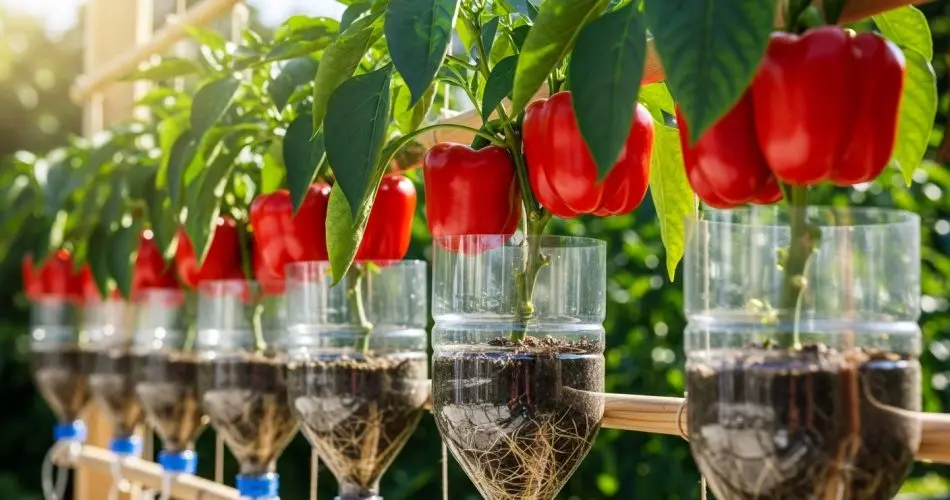
Bell peppers are colorful, nutritious, and incredibly versatile in the kitchen, but growing them at home can sometimes feel tricky—especially when it comes to producing many healthy fruits. The good news is that with a simple, natural trick using eggshells, you can boost your bell pepper harvest, strengthen plants, and enjoy homegrown peppers that are sweeter and more vibrant than anything from the store. Even beginners can follow this method to get impressive results.
Why Grow Bell Peppers at Home?
Growing bell peppers at home has many benefits. They are rich in vitamins A and C, antioxidants, and dietary fiber, making them an excellent addition to salads, stir-fries, and snacks. Homegrown peppers are also free from chemical residues, fresher, and more flavorful than supermarket options. With a little care, your home garden can provide a steady supply of bell peppers throughout the growing season.
Choosing the Right Variety
Bell peppers come in many colors, shapes, and sizes. For beginners, consider varieties such as “California Wonder,” “Yolo Wonder,” or smaller compact types like “Mini Bell” if you have limited space. Smaller varieties are ideal for pots or container gardening, while larger types flourish in garden beds. Choose seeds or seedlings from a trusted source to ensure high germination rates and strong growth.
Preparing the Planting Area
Bell peppers thrive in warm, sunny conditions. They need at least 6–8 hours of direct sunlight daily. Choose a garden bed, balcony, or container location that receives ample sun. The soil should be well-draining, fertile, and slightly acidic to neutral (pH 6.0–7.0). Before planting, loosen the soil and mix in compost or organic fertilizer to enrich it.
If you’re growing peppers in pots, choose containers at least 12 inches deep to accommodate root development. Make sure each container has drainage holes to prevent waterlogging.
Using Eggshells to Boost Growth
Eggshells are a natural and cost-effective way to improve bell pepper growth. They are rich in calcium, an essential nutrient that strengthens cell walls, prevents blossom-end rot, and encourages the formation of healthy fruits. Here’s how to use eggshells in your bell pepper garden:
- Prepare the Eggshells: Rinse the eggshells to remove any residue and allow them to dry. Crush them into small pieces or grind them into a fine powder for faster absorption.
- Add to Soil: Mix crushed eggshells into the soil before planting seedlings. This will slowly release calcium and other minerals into the soil.
- Side Dressing: As the plants grow, sprinkle a small amount of crushed eggshells around the base of each plant to provide a continuous calcium boost.
Planting Bell Peppers
If starting from seeds, sow them indoors 8–10 weeks before the last frost. Plant seeds in small pots with seed-starting mix, and keep them warm and moist until they germinate in 7–14 days. Once seedlings develop 2–3 true leaves and the outdoor temperature is consistently above 60°F (16°C), transplant them into larger pots or garden beds.
When transplanting, space plants 18–24 inches apart to allow proper air circulation and growth. Bell peppers prefer slightly raised beds or containers to ensure proper drainage.
Watering and Fertilization
Bell peppers need consistent moisture to thrive, but overwatering can lead to root problems. Water deeply once or twice a week, depending on weather conditions, keeping the soil moist but not soggy. Mulching around the base with straw or organic material helps retain moisture and suppress weeds.
Fertilization is crucial for high yields. Use a balanced fertilizer during early growth, then switch to a phosphorus- and potassium-rich fertilizer once flowers appear to encourage fruit development. Avoid excessive nitrogen at the fruiting stage, as this promotes leafy growth at the expense of fruit production.
Supporting Growth
Bell peppers are sturdy plants, but tall or heavily fruiting plants may need support. Use stakes or cages to prevent branches from breaking under the weight of fruits. Regular pruning of lower leaves and damaged branches improves airflow and reduces the risk of disease.
Pollination is also important. While bell peppers can self-pollinate, gently shaking flowers or using a small brush to transfer pollen between flowers can improve fruit set, especially in indoor or container gardens.
Harvesting Your Bell Peppers
Bell peppers are ready to harvest when they reach full size and display their mature color—green, red, yellow, or orange depending on the variety. Harvest by cutting the fruit from the plant using scissors or pruners, leaving a short stem attached. Frequent harvesting encourages the plant to produce more fruits, so don’t wait too long for peppers to ripen fully.
Benefits of Eggshell Gardening
- Stronger Plants: Calcium from eggshells helps build sturdy stems and leaves.
- Prevents Blossom-End Rot: A common problem in peppers caused by calcium deficiency.
- Cost-Effective Fertilizer: Reuses kitchen waste while reducing the need for chemical fertilizers.
- Healthier Fruits: Encourages the growth of sweeter, larger peppers with better texture.
Final Tips for Success
- Rotate planting locations each season to prevent soil-borne diseases.
- Keep soil warm; bell peppers do not tolerate frost.
- Mulch regularly to conserve moisture and prevent weeds.
- Harvest frequently to maximize fruit production.
- Combine eggshells with other organic fertilizers for optimal results.
Growing bell peppers at home can be incredibly rewarding, especially when using simple natural tricks like eggshell fertilization. Not only will you enjoy a bountiful harvest, but you’ll also save money, reduce kitchen waste, and taste the difference of fresh, homegrown vegetables. With sunlight, water, and a few crushed eggshells, your bell pepper plants will thrive and produce vibrant, juicy fruits that make your meals more colorful and flavorful.
