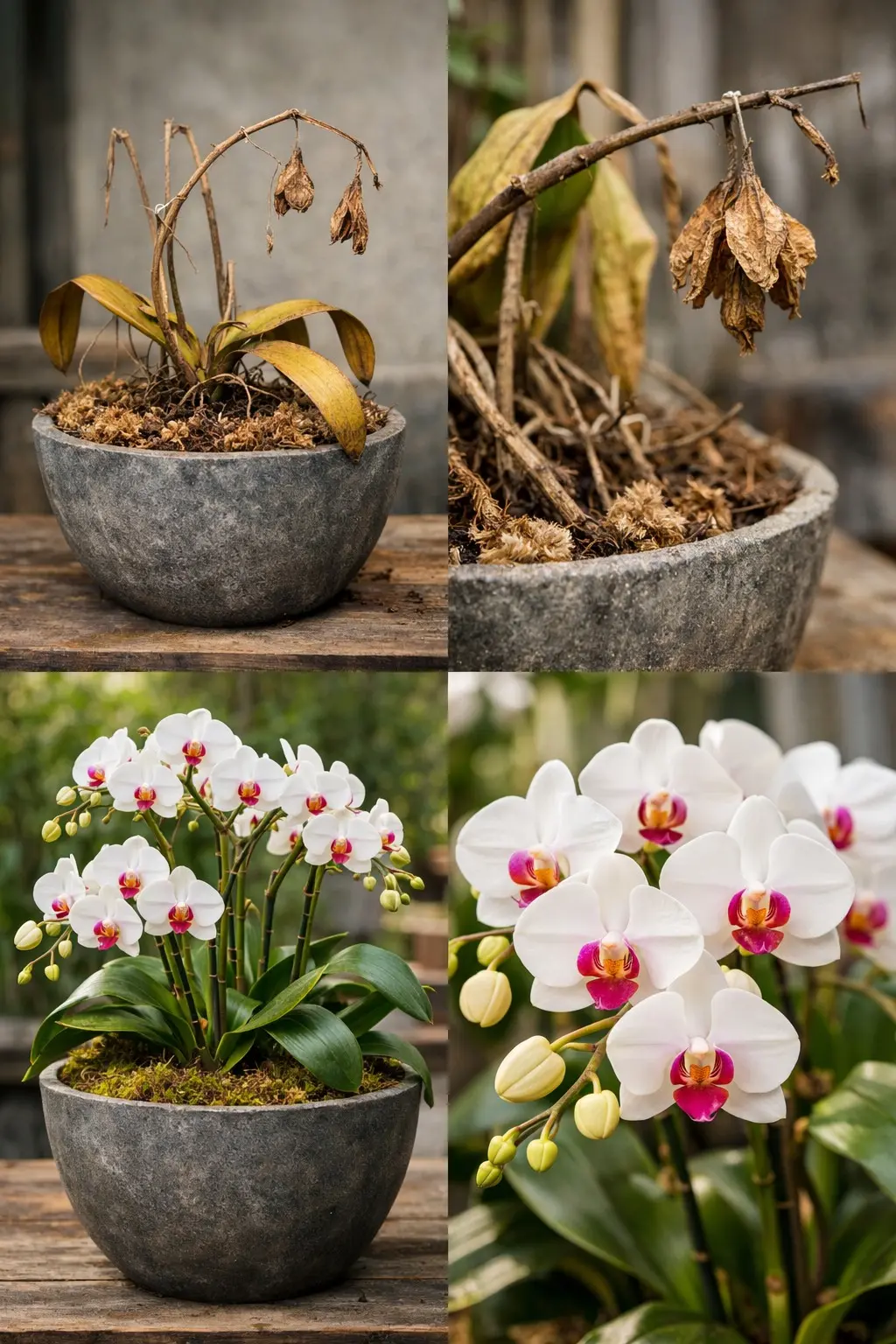
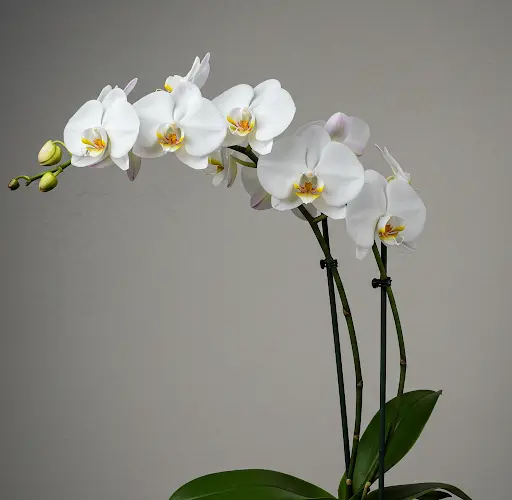
Orchids are some of the most exquisite and delicate plants, renowned for their elegant flowers and graceful foliage. However, keeping orchids healthy and encouraging them to bloom consistently requires careful attention and proper care. Many orchid enthusiasts face challenges such as orchids not flowering, having very few blooms, or suffering from root rot, diseased leaves, or insect infestations. Fortunately, with the right techniques, even struggling orchids can be revived and encouraged to flourish. In this guide, we explore a natural method using garlic to strengthen, protect, and stimulate your orchids.
Method 1: Using Garlic to Boost Orchid Health
Garlic is a powerful natural remedy for orchids due to its antimicrobial and antioxidant properties. It helps combat insects and plant diseases while providing essential minerals that stimulate root growth and overall vitality.
To prepare a garlic-based solution for your orchids:
- Slice Garlic: Take two cloves of garlic and cut them into thin, small slices.
- Combine Ingredients: Place the chopped garlic in a 720 ml jar and fill it with approximately 700 ml of water. Add one teaspoon of honey, which provides vitamins and minerals that further enhance root and leaf development.
- Infuse: Stir the mixture well and allow it to sit in a cool place for 24 hours to extract the beneficial compounds.
- Strain and Dilute: After 24 hours, strain out the garlic pieces. To make a diluted version, pour 600 ml of the strained liquid into a container and add 400 ml of fresh water, creating a total of 1 liter.
- Application: Transfer part of the mixture into a spray bottle for easy leaf treatment or use it to water the soil directly.
Method 2: Treating Diseased Leaves
Leaf diseases can spread rapidly and stunt orchid growth. If your orchid shows spots, yellowing, or other leaf abnormalities, immediate treatment is crucial.
- Isolate the Plant: Keep infected orchids away from healthy plants to prevent disease spread.
- Apply Garlic Solution: Spray the garlic-honey mixture onto the upper and lower surfaces of the leaves.
- Frequency: Repeat this treatment once a week until the leaves show improvement.
- Environment: Place the orchid in a well-ventilated area with indirect sunlight. Proper airflow and filtered light support recovery and prevent fungal infections.
This treatment not only addresses leaf disease but also repels insects, helping the orchid regain strength and vitality.
Method 3: Reviving Orchids with Rotten Roots or No Leaves
Even orchids that have lost most of their leaves or have rotten roots can be brought back to life with proper care. The garlic solution helps disinfect, strengthen, and stimulate new growth.
- Trim Dead Roots: Use sterilized scissors to remove any dead or rotting roots.
- Disinfect Remaining Roots: Dip the remaining healthy roots into the garlic-honey solution to prevent further infection.
- Dry Before Repotting: Allow the orchid to air dry for a few hours. Then repot it in fresh, well-draining orchid medium.
- Fertilize: Apply approximately five tablespoons of the garlic solution to the soil once a month to encourage root regeneration.
- Placement: Keep the orchid in a bright location with indirect sunlight, avoiding harsh direct rays.
Over several months, the orchid will develop new roots and leaves, gradually restoring its strength and vitality. Patience is essential, as full recovery can take time.
Method 4: Encouraging Non-Blooming Orchids to Flower
Healthy orchids sometimes fail to bloom due to environmental or nutritional factors. The garlic mixture can stimulate flower production by strengthening the roots and improving nutrient uptake.
- Monthly Fertilization: Add five tablespoons of garlic solution to the orchid pot once a month.
- Indirect Sunlight: Ensure the orchid receives bright but filtered light.
- Air Circulation: Maintain good airflow around the plant to prevent fungal growth.
- Simulate Dry Periods: Slightly reduce watering to mimic natural seasonal conditions, which can trigger flowering.
- Temperature Drop at Night: Orchids often require cooler night temperatures to initiate flower spikes.
With consistent application of these practices, many orchids begin producing flower buds within a few weeks.
Tracking Progress and Patience
Orchid revival is a gradual process, and full recovery may take up to six months. By regularly applying the garlic solution, you can expect to see improvements in leaf health, root development, and flower production. Orchids that initially showed signs of disease can regenerate new, healthy foliage, while those with rotten roots or missing leaves will start developing new shoots and roots. Over time, flower spikes will emerge, signaling that your plant is thriving again.
Final Tips for Thriving Orchids
- Lighting: Place orchids in bright, indirect sunlight to support growth without burning the leaves.
- Airflow: Ensure adequate ventilation to prevent fungal infections.
- Watering: Avoid overwatering, which can lead to root rot. Only water when the growing medium is dry.
- Fertilizer: Use a balanced orchid fertilizer in addition to the garlic solution every two weeks during the growing season.
- Repotting: If the potting medium has broken down or roots are overcrowded, repotting improves health and encourages growth.
Conclusion
By using garlic as a natural remedy, you can protect orchids from pests, combat leaf diseases, and stimulate root and flower development. Combined with proper environmental care, these methods can revive weak orchids, improve leaf health, and encourage abundant blooms. With patience and consistent care, your orchids will flourish, rewarding you with vibrant flowers and lush foliage for years to come.
