
Peanuts, a staple in diets worldwide and a central ingredient in everything from gourmet dishes to casual snacks, offer a unique and fascinating growth cycle that sets them apart from other agricultural crops.

Unlike typical seeds that sprout and grow upwards towards the sunlight, peanuts have a peculiar developmental journey that takes place largely beneath the soil surface.
This article delves into the lesser-known aspects of the peanut’s life cycle, revealing the intriguing processes that lead to the production of these versatile legumes.
1. The Unusual Start: Germination and Initial Growth
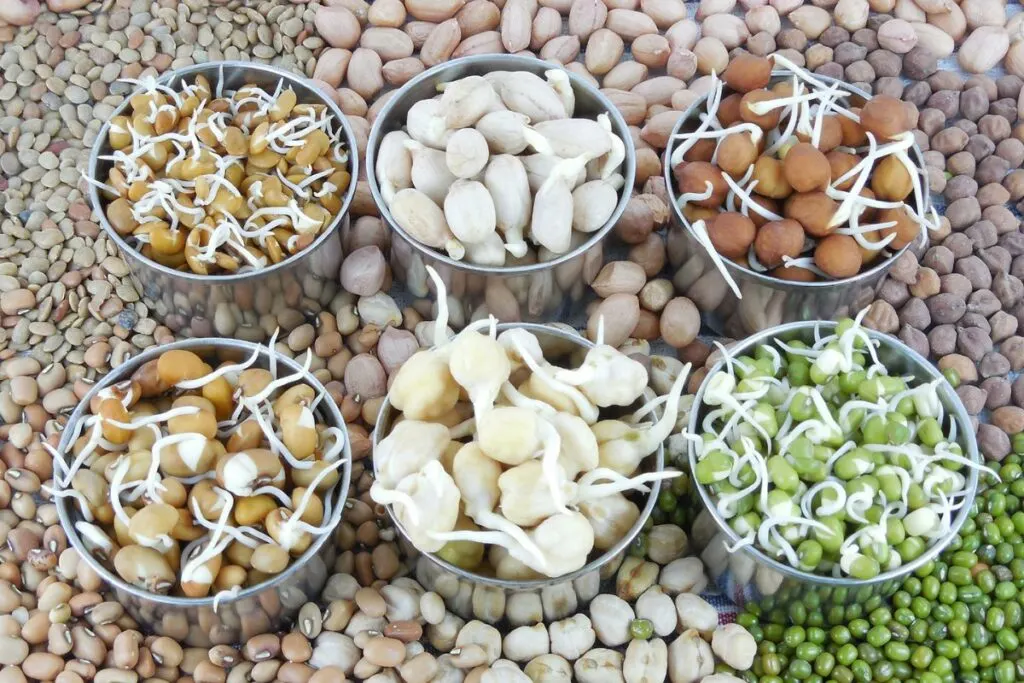
The journey of a peanut, scientifically known as Arachis hypogaea, begins with the germination of a peanut seed—ironically already a mature nut.
Planted about two inches deep in well-drained, fertile soil, the seed requires a warm climate (ideally between 20°C and 30°C) to germinate effectively.
As the seed sprouts, it sends up a shoot towards the surface while simultaneously establishing a root system that will later support its unique reproductive strategy.
Unlike many plants, peanut seeds do not need to be planted each year, as they can reseed themselves under favorable conditions, making them both resilient and efficient.
2. Subterranean Blossoms: The Flowering Phase
Approximately a month after planting, the peanut plant begins to flower. The flowers, typically yellow and pea-like, are an initial spectacle but their real intrigue lies in their subsequent behavior.
After pollination, which occurs near the base of the flower, a fascinating transformation takes place. Each flower’s base, or ovary, begins to elongate and form what is known as a “peg” or “gynophore.”
This crucial organ grows downward, gravitating away from the stem and towards the earth, driven by geotropic responses that are still a subject of botanical research. The peg’s growth towards the ground is crucial as it is here that the peanut will eventually develop.
3. Gynophore: The Peanut’s Pivotal Organ
The gynophore is the linchpin in the peanut plant’s reproductive process. After the peg has emerged from the flower, it grows back towards the earth, elongating until it burrows beneath the surface.
This growth pattern is unique to peanuts and a few other nut varieties, representing a remarkable adaptation to the environments peanuts naturally thrive in.
The gynophore’s ability to change direction and penetrate the soil is vital for the next stage of development, ensuring that the peanut kernels are safely ensconced underground where they are protected from many surface-level threats, including predation and harsh weather.
4. Ground Penetration and Pod Development
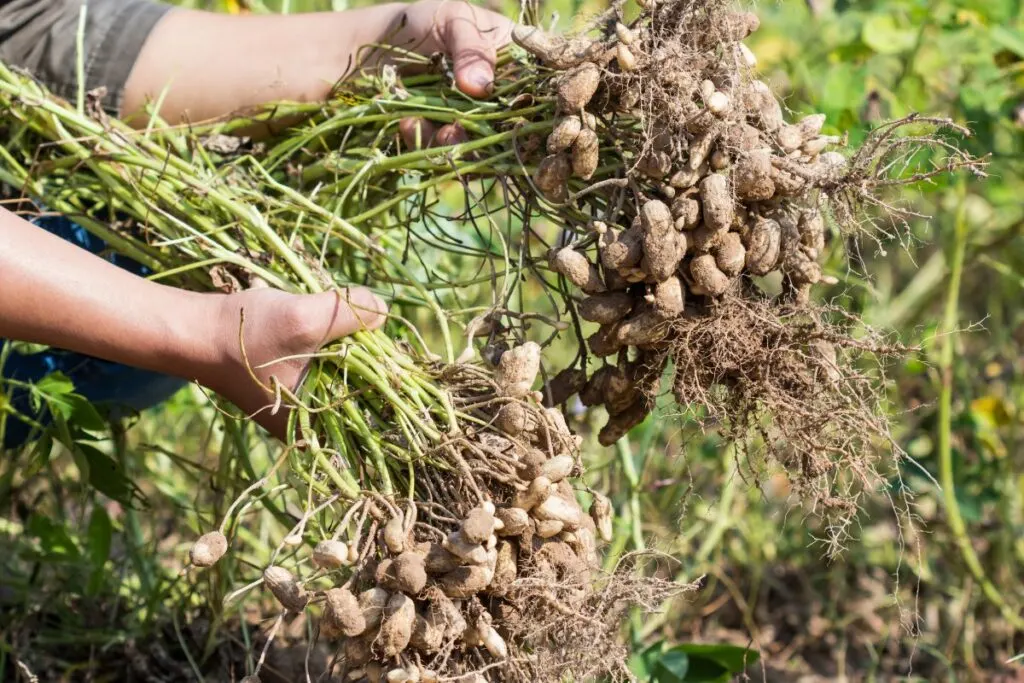
Once the gynophore burrows into the soil, the tip, which houses the fertilized ovary, begins to swell and eventually forms the peanut pod. This stage is critical as the actual peanuts are developing within these protective pods.
Soil type plays a significant role in this phase; sandy loam, which allows for easier penetration and less resistance, is considered ideal for peanut cultivation.
The process from peg penetration to pod formation is gradual and highly dependent on adequate soil moisture and nutrients.
The buried pods continue to mature underground, where they complete their growth cycle in secrecy, shielded from the eyes of farmers and predators alike.
5. Maturation: The Development of Peanut Pods
The development phase beneath the soil is a marvel of nature’s design. Once the peanut pods are formed, they undergo a period of maturation that typically spans several months.
During this time, the pods need consistent soil moisture but not waterlogged conditions, which can cause the pods to rot.
Nutrient uptake is vital at this stage, with phosphorus and potassium being particularly important for the development of strong, healthy peanuts.
As the pods mature, the kernels inside fill out, drawing nutrients from the plant’s photosynthesis process which, despite the subterranean location of the pods, is conducted by the leaves exposed to sunlight above ground.
6. Harvesting: Timing and Techniques
Harvesting peanuts is a timing-sensitive operation that depends greatly on the maturity of the pods and the weather conditions. Typically, farmers conduct a test digging to check the readiness of peanuts for harvest.
The ideal time is when the inner shells have a darkened color and the outer hulls show a netted pattern, signs of full maturity.
The harvesting itself is performed using specialized machinery that lifts the entire plant from the soil, shakes off the excess dirt, and inverts the plants to allow the peanuts to dry naturally in the field for several days if the weather permits.
7. Post-Harvest: From Ground to Grocery
After harvesting, the peanuts are not yet ready to hit the market. They undergo a critical drying phase, where the moisture content is reduced to about 10%, making them safe for storage and later consumption.
This drying can be done either in the field under the sun or using forced air in facilities designed for this purpose. Following drying, peanuts are sorted for quality, with damaged or diseased nuts removed.
The final processing steps might include roasting, blanching, or grinding into peanut butter, depending on their intended use.
8. Challenges and Innovations in Peanut Cultivation
Peanut farmers face several challenges, including pest attacks, diseases like leaf spot and root rot, and climatic dependencies such as adequate rainfall at the right time.
Innovations in peanut farming, like disease-resistant crop varieties and precision agriculture technologies, are helping to mitigate these challenges.
Advances in biotechnology have also led to the development of peanut plants that can thrive in less-than-ideal soil conditions and resist common diseases, increasing yield and reducing the need for chemical inputs.
The growth cycle of peanuts is a complex, intriguing process that combines unique botanical behaviors with sophisticated agricultural practices.
From their subterranean development to the innovative harvesting techniques, every stage of peanut cultivation reveals something unexpected and fascinating.
This deeper understanding not only enhances our appreciation of this common crop but also highlights the importance of continuous agricultural innovation to meet global food demands.
As consumers enjoy various peanut products, from the simple roasted nuts to creamy peanut butter, the remarkable journey these kernels undergo from seed to snack deserves recognition and respect.
