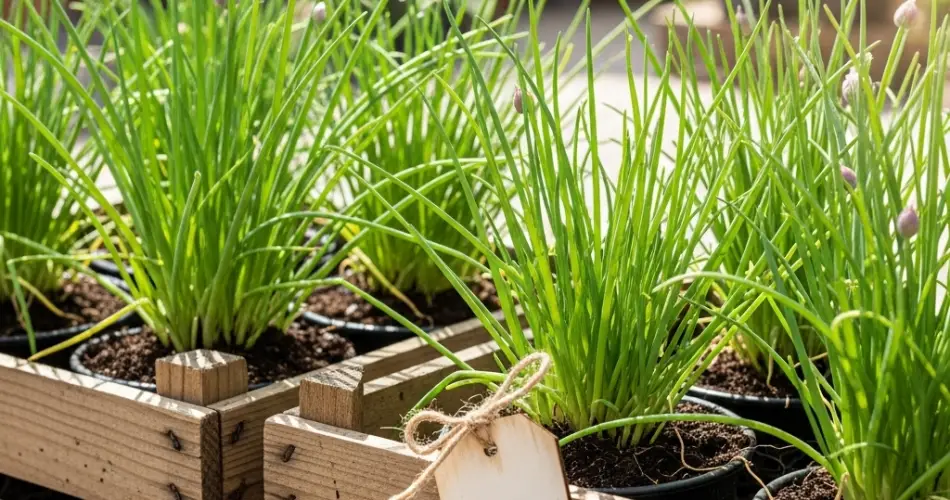
Chives are one of the easiest herbs to grow at home. Their mild onion-like flavor enhances a wide range of dishes, from salads and soups to scrambled eggs and baked potatoes. Beyond their culinary uses, chives are hardy, low-maintenance, and perfect for container gardening. One highly effective method for growing chives is using reusable wooden crates. Crates provide excellent drainage, portability, and a rustic aesthetic that can complement any balcony, patio, or small garden space. This guide will walk you through propagating, planting, and maintaining chives in crate planters.
Why Use Wooden Crates for Chives?
Wooden crates are a practical and eco-friendly alternative to traditional pots. They allow airflow around the roots, which helps prevent overwatering and root rot. The slatted design also provides natural drainage, reducing the risk of soggy soil. Crates are portable, so you can easily move them to follow the sun or shelter them from harsh weather. For urban gardeners or those with limited outdoor space, crate gardening offers a functional and attractive solution for growing chives.
Propagating Chives
Chives can be propagated from seeds, division, or transplants. Each method has its own advantages, and crate planters work well with all three.
1. Growing Chives from Seeds
Starting chives from seeds is cost-effective and allows for a long-term supply. Fill a seed tray or small pots with well-draining potting mix. Sow the seeds about ¼ inch deep and keep the soil lightly moist. Place the tray in a sunny location or under grow lights. Germination typically takes 10–14 days. Once seedlings are strong enough, thin them out and transplant them into your prepared crate planter.
2. Propagation by Division
If you have an existing clump of chives, division is a quick and reliable way to propagate. Dig up the plant carefully and separate it into smaller sections, making sure each section has roots and shoots. Replant the divisions in your crate, spacing them about 4–6 inches apart. This method produces established plants that will grow quickly.
3. Transplants
Chive seedlings purchased from a nursery or garden center can also be planted directly into crates. Transplants provide a head start on the growing season and can quickly fill out your planter.
Preparing the Crate
Before planting, it’s important to prepare your wooden crate properly:
- Choose the right crate: Select a sturdy wooden crate that can hold soil without breaking. Produce or wine crates work well.
- Lining: Line the inside with landscape fabric, burlap, or newspaper to prevent soil from washing out while still allowing drainage.
- Soil mix: Chives prefer well-draining soil. A combination of potting mix, sand, and compost works best. Avoid heavy, water-retentive soils.
- Sunlight: Place your crate where it receives at least 6 hours of sunlight daily, as chives thrive in bright conditions.
Planting and Care
Once your crate is ready, plant your chive seeds, divisions, or transplants. Space plants 4–6 inches apart to allow for proper growth and airflow. Water the soil thoroughly after planting, then maintain consistent moisture without overwatering. Chives are hardy and drought-tolerant to some extent, but they perform best when the soil remains slightly moist.
Chives are light feeders, so heavy fertilization is usually unnecessary. A small amount of compost or balanced organic fertilizer in spring is sufficient to support healthy growth. Regular trimming encourages fresh, tender shoots and prevents the plants from flowering too early.
Harvesting Chives
One of the advantages of chives is the ability to use the cut-and-grow method. Simply snip leaves about 1–2 inches above the soil surface. The plant will continue to produce new shoots, allowing for multiple harvests throughout the season. Avoid cutting more than one-third of the plant at a time to ensure continuous growth.
Harvesting in the morning after the dew has dried will yield the freshest flavor. Use chives immediately or store them in the refrigerator for short periods. Freezing is another option for long-term storage without losing flavor.
Overwintering Chives
Chives are perennial herbs in many regions and can survive mild winters. In colder climates, crates can be moved to a sheltered location, such as a garage or indoors near a sunny window, to protect them from frost. Dividing or potting up chives before winter also encourages healthy growth in the following spring.
Benefits of Crate Gardening for Chives
Growing chives in reusable wooden crates is practical, sustainable, and visually appealing. Crates make it easy to control soil conditions, move plants as needed, and harvest fresh chives regularly. They also reduce the risk of pests and soil-borne diseases compared to traditional garden beds. Even gardeners with limited space can enjoy a productive herb garden using crates.
Final Thoughts
Chives are a perfect herb for beginners and experienced gardeners alike. Using reusable wooden crates as planters makes growing them simple, efficient, and attractive. With minimal effort, you can enjoy a constant supply of fresh, flavorful chives throughout the year. Whether starting from seeds, divisions, or transplants, crate gardening is a versatile method that combines convenience, sustainability, and charm, making it an ideal choice for your home garden.
