
Creating biodegradable seed mats using shredded brown cardboard egg cartons is a simple and eco-friendly project that provides a sustainable way to start your garden. These seed mats are perfect for gardeners looking to reduce waste and improve their planting efficiency. By using materials you already have at home, you can craft seed mats that dissolve into the soil, enriching it and promoting healthy plant growth. This project is particularly useful at the beginning of the growing season, as it helps with organized planting and boosts germination rates.
This DIY project fits beautifully into a variety of garden styles, from rustic cottage gardens to sleek modern spaces. The seed mats can be used to grow a range of plants, including vegetables like lettuce and radishes, herbs such as basil and parsley, or colorful flowers like marigolds and zinnias. Place them in raised beds for easy access, in containers for a tidy look, or along garden borders for a natural feel. The biodegradable nature of the mats supports a sustainable gardening aesthetic, complementing other eco-friendly practices.
Biodegradable Cardboard Seed Mats
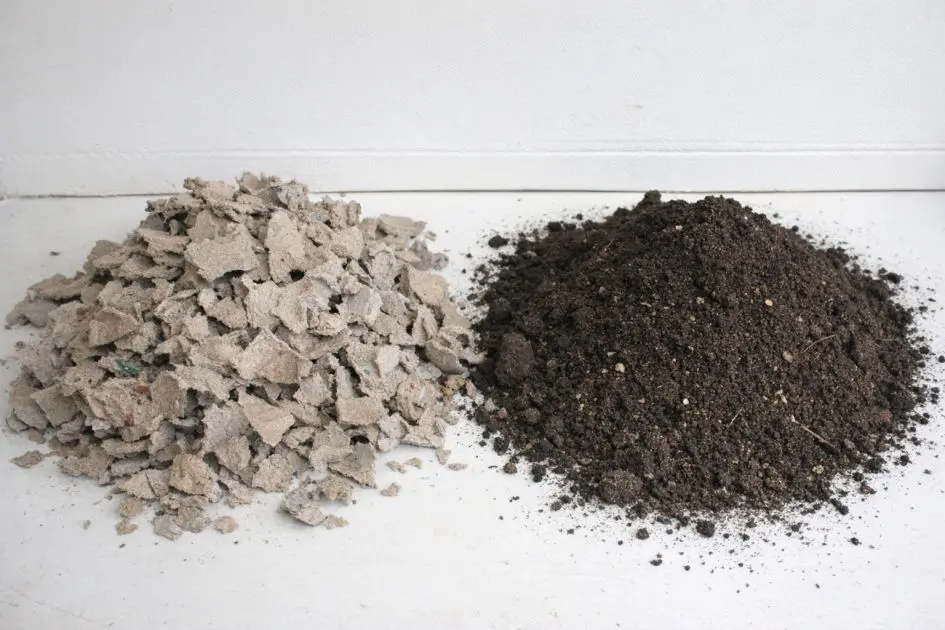
Materials
4 brown cardboard egg cartons, shredded
2 cups of boiling water
1 tablespoon of cornstarch
Seeds of your choice (e.g., lettuce, basil, marigolds)
Large metal pot
Wooden spoon for stirring
Sheet pan or flat surface for drying
Parchment paper or wax paper
Directions
1. Shred the brown cardboard egg cartons into small pieces and place them into a large metal pot.
2. Add 2 cups of boiling water to the pot and stir with a wooden spoon until the cardboard is fully saturated and soft.
3. Once the cardboard is softened, add 1 tablespoon of cornstarch to the mixture to help it bind.
4. Continue stirring until the mixture reaches a pulp-like consistency.
5. Spread a sheet of parchment paper or wax paper onto a sheet pan or flat surface.
6. Pour the cardboard pulp onto the paper and spread it out evenly to form a thin layer.
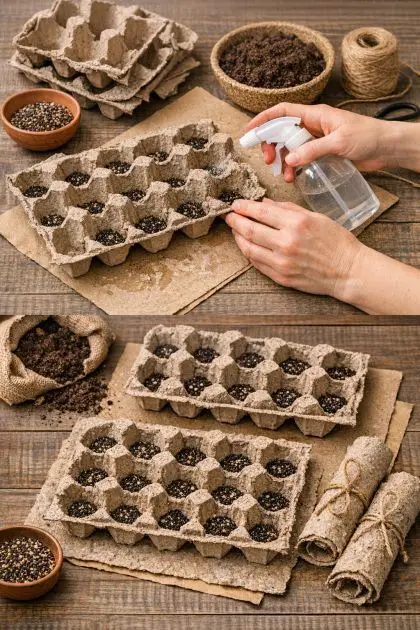
7. Sprinkle your chosen seeds evenly over the surface of the pulp.
8. Gently press the seeds into the pulp to ensure they adhere.
9. Allow the seed mat to dry completely, which may take 24-48 hours depending on humidity and temperature.
10. Once dry, cut the seed mat into smaller, manageable sections if desired, and plant them directly in the garden soil.
Variations & Tips
For different climates, consider using thicker layers of cardboard for more moisture retention in arid regions, or thinner layers in humid areas to prevent mold. Swap cornstarch for flour as a binding agent if preferred. For plant-specific adaptations, use seeds that thrive in your local climate; for instance, choose drought-tolerant seeds like succulents for dry areas, or moisture-loving varieties like mint for wetter climates. Experiment with different shapes and sizes of mats to fit various garden layouts and container sizes.
