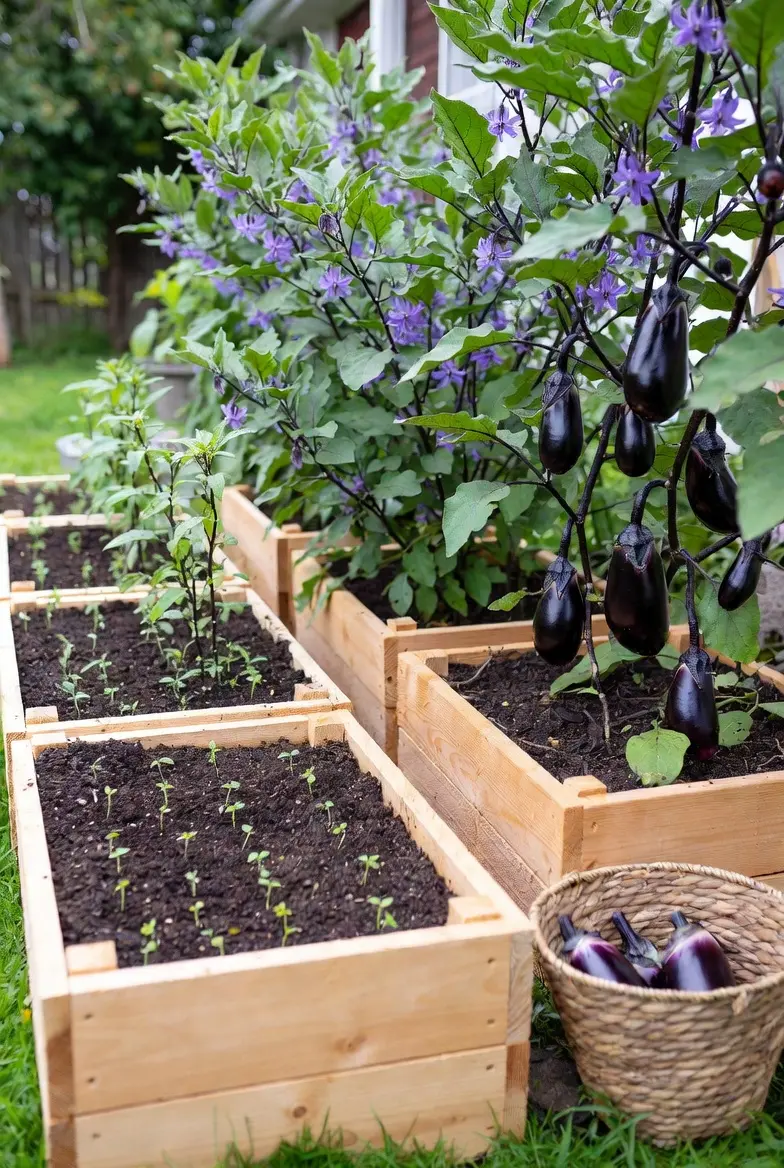
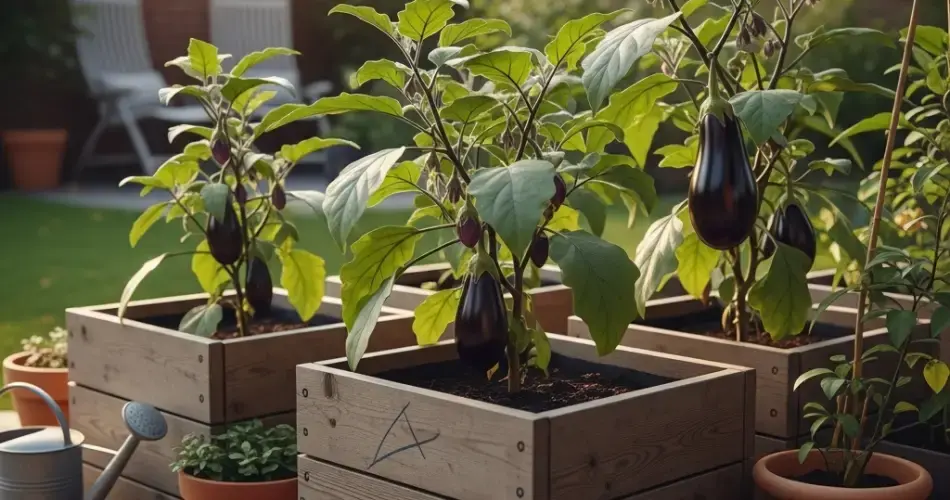
ggplants are among the most versatile vegetables you can grow at home, and with the right approach, they can thrive even in small spaces. For gardeners who lack large yards but still want a steady supply of fresh produce, wooden box planters are an excellent solution. They provide enough room for healthy root development, allow control over soil conditions, and add rustic charm to patios, balconies, or compact gardens. With proper preparation and care, these planters can deliver abundant eggplant harvests season after season.
Why Wooden Box Planters Work for Eggplants
Wooden boxes are ideal for cultivating eggplants because they balance practicality with sustainability. Unlike flimsy plastic pots, they are durable and stable enough to support heavy plants loaded with fruit. Wood also acts as a natural insulator, keeping the soil cooler in hot weather and warmer in cooler conditions. In addition, wooden planters can be customized in size, allowing you to grow just one plant or several depending on your space. They also blend beautifully into outdoor settings, doubling as functional garden containers and decorative elements.
Choosing or Building Your Wooden Planter
The size of your planter matters when it comes to eggplants. Each plant needs enough space to spread its roots and branches. A depth of 18 to 20 inches is recommended, with each plant spaced at least 18 to 24 inches apart. If you plan to grow multiple eggplants, choose or build a larger box that accommodates these requirements. Cedar and pine are good choices for wood because they resist rot, but avoid pressure-treated lumber, which may contain harmful chemicals. Drill several drainage holes at the bottom of the box to prevent water from pooling around the roots.
Preparing the Perfect Soil Mix
Eggplants thrive in nutrient-rich, well-draining soil. A good mix includes garden soil blended with compost for fertility and materials like coconut coir, peat moss, or perlite for aeration and drainage. Since eggplants are heavy feeders, adding organic fertilizers such as composted manure or slow-release granules before planting gives them a strong start. Over time, you can top-dress with compost or use liquid feeds like fish emulsion every few weeks to keep the plants vigorous and productive.
Planting Eggplants in Wooden Boxes
You can either start from seeds indoors or purchase healthy seedlings from a nursery. If you choose seeds, sow them 6 to 8 weeks before the last expected frost and transplant once they are about 6 inches tall. Place seedlings in the soil at the right spacing, making sure their roots are covered firmly. For compact harvests, you can grow two to three eggplants in a medium-sized box, provided there is enough room for airflow and growth. After planting, water thoroughly to help roots settle.
Sunlight and Watering Essentials
Eggplants are sun-loving plants and require at least 6 to 8 hours of direct sunlight daily. Position your wooden planter in the brightest spot available to encourage flowering and fruit development. Watering should be consistent, keeping the soil evenly moist without allowing it to become soggy. Because wooden boxes can dry out more quickly than in-ground gardens, check moisture levels frequently. Applying a layer of mulch, such as straw or shredded leaves, will help retain moisture and reduce the frequency of watering.
Supporting and Managing Growth
As eggplants mature, their branches may become heavy with developing fruits. Providing stakes, trellises, or tomato cages ensures the plants remain upright and reduces the risk of branches snapping. Regular pruning is also recommended. Removing excess foliage improves airflow, reduces disease risks, and directs the plant’s energy into producing more fruit. Pinching off small suckers that form in leaf joints will encourage larger, healthier harvests.
Fertilization and Pest Control
To keep your eggplants productive, feed them every three to four weeks with a balanced organic fertilizer. Avoid using too much nitrogen, as it encourages leafy growth at the expense of flowers and fruit. Pests such as flea beetles, aphids, and spider mites can sometimes pose challenges. Natural remedies like neem oil, insecticidal soap, or companion planting with basil and marigolds can help deter these pests without harming your plants.
Harvesting Your Eggplants
Eggplants are ready for harvest when their skin is shiny and firm to the touch. Dull or wrinkled skin is a sign of over-ripeness. Depending on the variety, fruits may be ready 60 to 80 days after transplanting. Always cut the stem with sharp scissors or a knife rather than pulling the fruit, as tugging can damage the plant. Frequent harvesting encourages more flowers and fruits, ensuring you enjoy multiple harvests throughout the growing season.
Advantages of Compact Wooden Box Gardening
Using wooden box planters to grow eggplants provides several benefits. They allow you to cultivate fresh vegetables even in small areas, making them perfect for urban gardeners. Soil quality can be easily controlled, and common ground pests are less of a problem. Planters can also be moved if needed, either to catch more sunlight or to shield the plants from harsh weather. Beyond functionality, their rustic look enhances the beauty of your garden or balcony, making them both practical and decorative.
Final Thoughts
Compact eggplant harvests are entirely possible with wooden box planters. By providing the right soil, consistent care, and adequate support, even small spaces can yield abundant crops. Whether you’re an experienced gardener or just starting, this method ensures you can enjoy fresh, homegrown eggplants in a sustainable and space-efficient way. From grilling to stir-frying, your wooden box garden will supply delicious, nutritious vegetables straight to your kitchen.
