
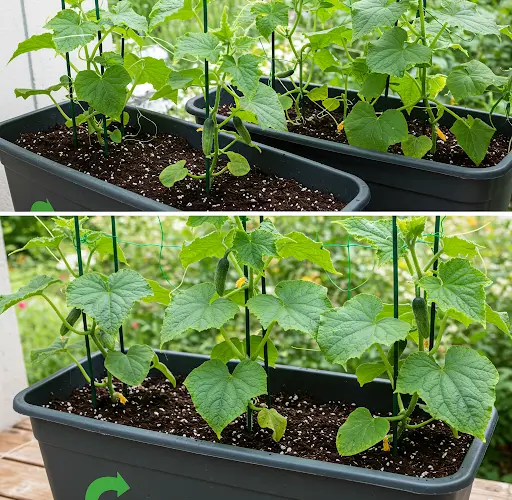
Cucumbers are a staple in many home gardens, loved for their refreshing crunch and versatility in meals. While many modern techniques promise big yields, there are old, often forgotten methods—passed down from earlier generations—that produce cucumbers that are not only abundant but also sweeter and more flavorful.
These ancestral techniques rely on natural soil enrichment, thoughtful planting practices, and observation of nature’s rhythms. When followed carefully, they can result in large, juicy cucumbers that far exceed what’s typically grown using standard store-bought fertilizer and commercial approaches.
Let’s explore these time-honored cucumber-growing secrets that combine traditional wisdom with organic principles.
1. Start With Heirloom Seeds
One of the foundational principles passed down by our ancestors is the importance of using heirloom or local cucumber seeds. These seeds are typically better adapted to regional climates and soil types and are selected for taste and productivity over generations.
Heirloom varieties often produce more flavorful fruit, with natural resistance to pests and diseases. Some popular traditional varieties include:
- Lemon cucumber – small, round, and very sweet
- Armenian cucumber – long, thin, and crisp
- Suyo Long – a classic Asian variety with tender flesh
Save seeds from your best cucumbers each year to keep improving your crop over time.
2. Soil Preparation Using Natural Compost
Rather than using synthetic fertilizers, traditional growers enrich the soil with homemade compost and fermented plant-based liquids. This not only feeds the plant but creates a balanced, living soil ecosystem.
One ancestral practice involves burying a mix of banana peels, crushed eggshells, and ash deep under the planting site two weeks before transplanting. This organic mix releases slow nutrients that cucumbers love:
- Banana peels provide potassium for strong fruit development
- Eggshells release calcium to prevent blossom-end rot
- Ash adds phosphorus and keeps pests like slugs away
The result? Rich, loose soil teeming with beneficial microbes and natural minerals.
3. Proper Planting and Timing
An old farmer’s rule is to plant cucumbers after the last full moon of spring, when the soil is warm and danger of frost has passed. This timing encourages faster germination and strong initial growth.
Traditionally, seeds are sown in small mounds or hills about 3–4 feet apart. This not only helps drainage but also mimics how wild cucumbers naturally spread—ensuring strong root systems.
Before planting, soaking seeds in warm water with a drop of honey for 4–6 hours is another ancestral trick to promote germination and early vigor.
4. Water Deeply and Infrequently
Rather than watering daily, many traditional gardeners follow a deep-watering method—providing plenty of water at longer intervals, such as every 2–3 days. This encourages roots to grow deeper in search of moisture, which leads to stronger, more drought-resistant plants.
Use mulch made from rice husks, dried leaves, or straw to help retain moisture and regulate soil temperature. These materials also break down slowly, enriching the soil.
Rainwater, collected in jars or barrels, is preferred whenever possible because of its neutral pH and lack of chemicals.
5. Natural Pollination and Companion Planting
Cucumbers depend on bees for pollination. Traditional growers often plant bee-attracting herbs and flowers nearby, such as basil, dill, marigold, or sunflowers. These plants not only bring pollinators but also deter common pests.
A practice from ancestral gardens is to grow cucumbers alongside corn or sunflowers, letting the vines climb the sturdy stalks naturally—eliminating the need for artificial trellising.
6. Fermented Liquid Fertilizer
Instead of commercial plant food, a fermented mixture made from rice water, overripe fruit peels, and a pinch of salt can be used to nourish cucumber plants every two weeks.
Let the mixture ferment in a sealed jar under shade for 7–10 days before dilution (1 part mix to 10 parts water) and apply it around the roots. This feeds both the soil and the beneficial microorganisms.
7. Harvesting at the Right Time
Traditional growers emphasize the importance of timely harvesting. Pick cucumbers while they’re still firm and green, before they turn yellow or grow oversized. Overripe cucumbers not only become bitter but also slow down new fruit production.
For sweeter fruit, harvest in the early morning when sugar content is at its peak.
Final Thoughts
The cucumber-growing secrets passed down by our ancestors were built on observation, patience, and respect for natural cycles. They didn’t rely on artificial inputs but instead used compost, beneficial insects, and natural rhythms to achieve sweet, abundant harvests.
By reviving these traditional techniques in your own garden—starting with heirloom seeds, enriching your soil with organic matter, and planting with purpose—you can grow cucumbers that are not only large and crisp but deeply flavorful.
Whether you have a sprawling garden or a few containers on a balcony, these timeless practices can help you enjoy the kind of cucumbers our ancestors would be proud of.
