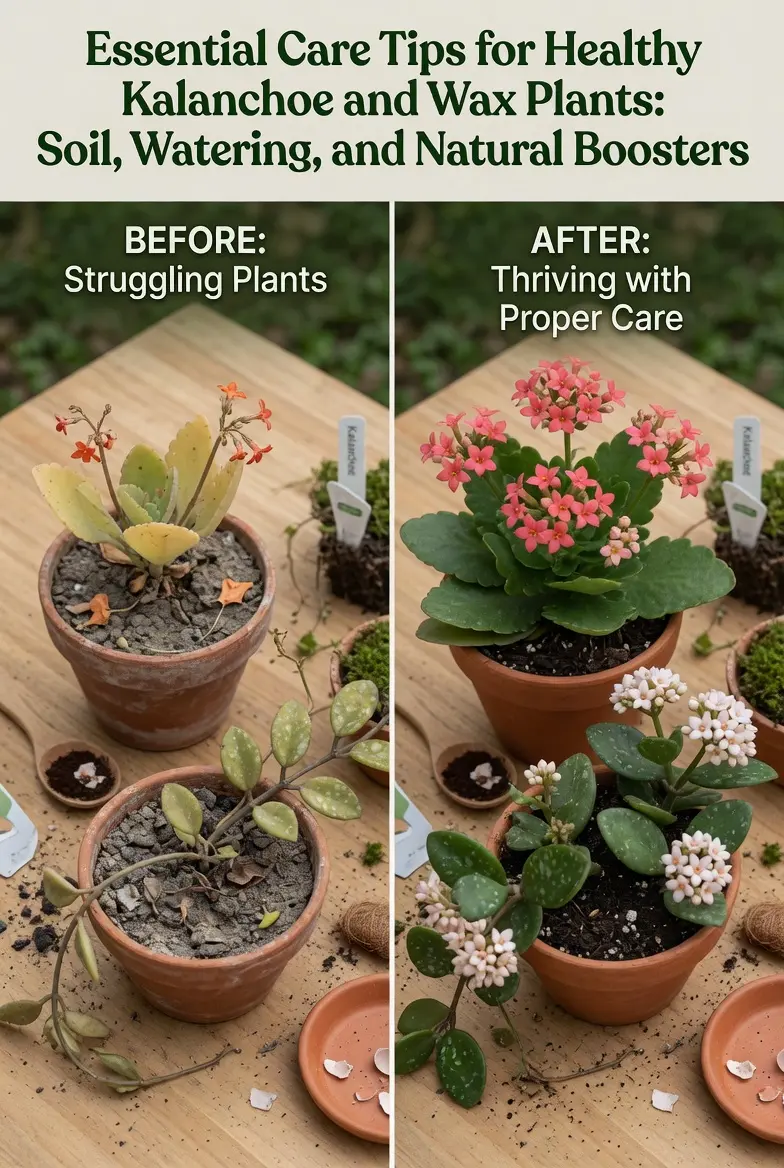
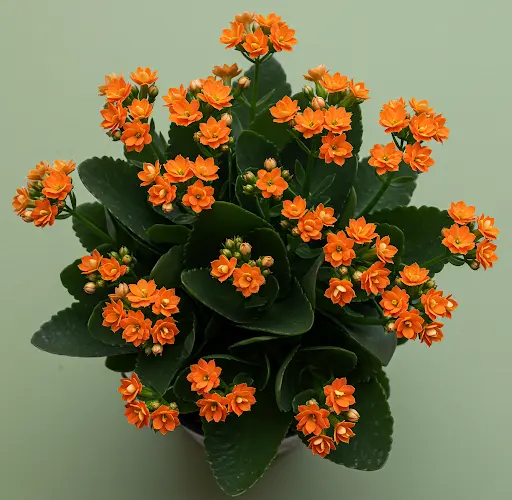
Kalanchoe and wax plants (hoya) are popular indoor plants, loved for their lush foliage and vibrant blooms. With the right care, these plants can thrive in any home environment, producing healthy leaves, abundant shoots, and, in the case of wax plants, stunning flowers. In this article, we’ll explore essential tips for ensuring optimal growth, including soil preparation, watering, seasonal care, and natural boosters like aspirin.
Thriving Kalanchoe Plants
Kalanchoe plants are available in various types, from dwarf varieties to medium and tall-growing species. Tall kalanchoe varieties can reach heights of 1 to 1.5 meters if properly cared for. However, handling the leaves too frequently can inhibit growth, particularly at the leaf tips. As observed in healthy kalanchoe plants, untouched leaves remain thick, vibrant, and healthy, while frequent touching may cause the tips to dry out.
Smaller kalanchoe plants in early growth stages require careful attention to soil quality. Nutrient-rich, well-draining soil is crucial for strong development. Compact kalanchoe varieties may not grow very tall, but they spread beautifully, filling pots with healthy, abundant leaves. By ensuring optimal soil conditions, gardeners can encourage both vertical growth and dense foliage.
Wax Plant Growth and Support
Wax plants (hoya) are excellent companions to kalanchoe, thriving when given proper structural support. Training the vines to wrap around decorative trellises or supports encourages the plant to produce more branches, new shoots, and, eventually, flowers. Observing new growth emerging from different sides of the plant is an indicator of strong development. Proper care ensures that these plants can become lush, visually striking additions to your indoor garden.
Seasonal Care and the Role of Aspirin
Seasonal changes can stress plants, particularly in autumn when temperatures begin to drop. Kalanchoe and wax plant roots may slow down or become stressed, leading to leaf yellowing or reduced growth. Aspirin, a simple and inexpensive remedy, can help.
Aspirin contains salicylic acid, which strengthens plant immunity and improves root development. To use, crush a tablet and mix it into the soil. This helps disinfect the soil, prevents fungal infections, and supports the overall health of the plant. Incorporating aspirin during seasonal transitions ensures that your plants remain strong and resilient throughout the year.
Proper Watering Practices
Watering is a critical component of plant care, and kalanchoe and wax plants require careful attention to moisture levels. Watering should be adjusted according to pot size, plant type, and seasonal needs.
For kalanchoe:
- Summer: Water in the evening to prevent moisture loss and avoid midday heat stress.
- Winter: Water sparingly, approximately once every 20 days to once a month, to prevent root rot. Overwatering during colder months can lead to decay and disease.
Small, consistent amounts of water are ideal. The soil should remain slightly moist but never waterlogged. Proper watering supports healthy roots and ensures smooth growth throughout the year.
For wax plants:
- Winter: Keep the plant in a well-lit area, avoiding direct sunlight.
- Summer: Provide indirect sunlight or filtered light, such as through a sheer curtain.
- For flowering: Morning sunlight is beneficial, while harsh afternoon sun should be avoided to protect the leaves and buds.
Maintaining this balance ensures that wax plants develop lush foliage and abundant blooms.
Soil Preparation and Fertilization
The quality of soil directly impacts plant growth. Using nutrient-rich, well-draining soil is essential for both kalanchoe and wax plants. Hard, compact, or nutrient-poor soil can stunt growth and reduce flowering.
For kalanchoe, it’s also important to disinfect soil before planting. One effective method is to preheat the soil in an oven at a high temperature for 10–15 minutes. This eliminates bacteria, fungi, and other harmful microorganisms, ensuring healthy root development.
Wax plants benefit from small pots and high-quality, well-draining soil mixed with decomposed manure or garden soil. A smaller pot encourages the plant to focus energy on producing flowers rather than excessive root growth. This is particularly important for maintaining blooms and encouraging regular flowering.
Encouraging Healthy Growth and Flowering
Handling plant leaves carefully, providing adequate sunlight, and using seasonal care techniques all contribute to healthy growth. For kalanchoe, avoiding excessive touching of the leaves ensures that tips remain thick and vibrant. For wax plants, training vines on supports and maintaining a small pot size encourages new shoots and flowering.
Applying natural boosters like aspirin can help maintain plant health during seasonal transitions, while proper watering and nutrient-rich soil provide the foundation for continuous growth. With consistent care, both plant types can flourish indoors.
Final Thoughts
Kalanchoe and wax plants are highly rewarding to grow when given the right care. The key to thriving plants lies in nutrient-rich soil, careful watering, seasonal adjustments, and occasional natural boosters like aspirin. By following these guidelines, gardeners can enjoy healthy leaves, abundant new shoots, and vibrant blooms throughout the year.
Whether you are growing tall kalanchoe varieties, compact dwarf types, or decorative wax plants, paying attention to soil quality, watering practices, and seasonal care will ensure strong growth and long-lasting beauty in your indoor garden. With these techniques, your plants will remain healthy, resilient, and visually striking year-round.
